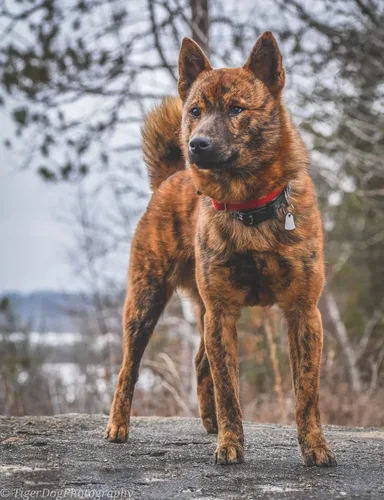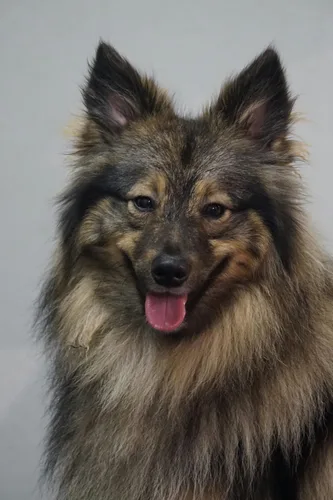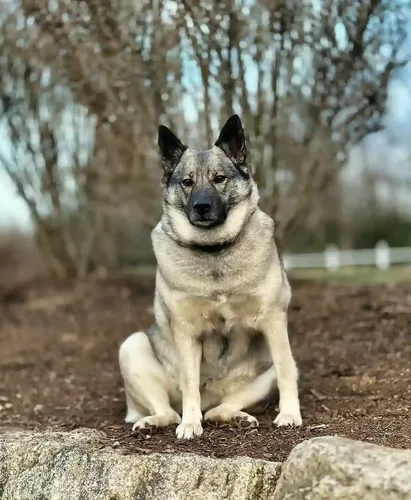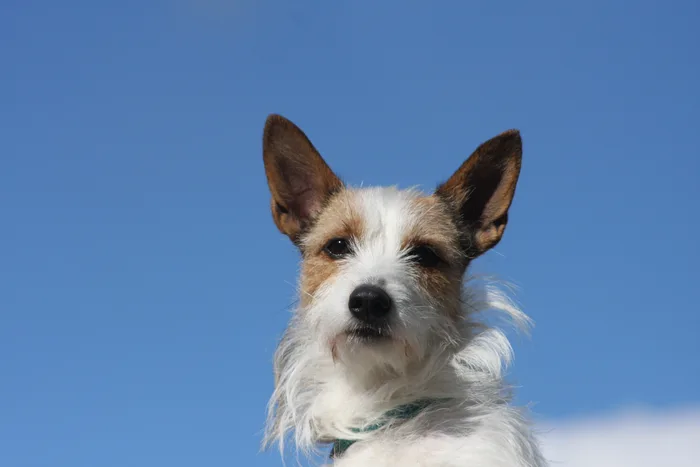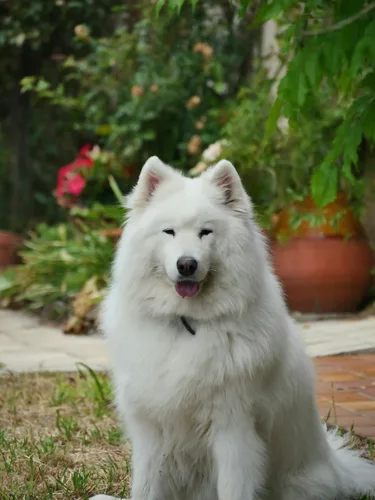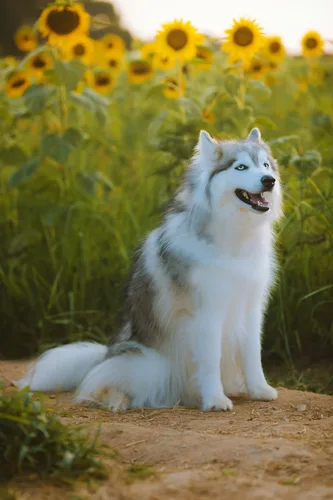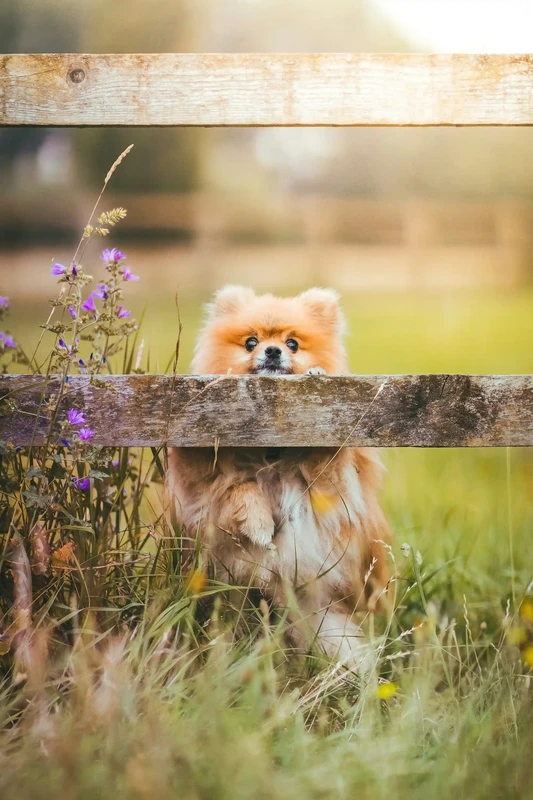
German Spitz link:
German Spitz
Origins
The Pomeranian takes its name from Pomerania, the region on the Baltic coast between Germany and Poland, where large white spitz dogs were kept as sheep and sledge dogs. Breeders in Europe and Britain made the dog progressively smaller and more ornamental during the nineteenth century. Queen Victoria's small Pomeranian, which she brought back from Italy, is often credited with making the miniature size fashionable. The breed was recognised in Britain in 1870 and is now one of the smallest companion dogs in the world.
Lifestyle
Walks: About 40 minutes a day split into two or three short walks and indoor play. Keep it on a harness, since a pull on the collar can strain the neck.
Being alone: It needs company and may bark or fret when left. Practise short absences and give it a toy to keep it busy.
At home: A busy little house dog that follows you, sits on your lap and reports every sound. Teach a quiet signal early.
Children: Good with gentle older children. It is small and delicate, so young children must be taught how to hold and play with it.
Other animals: Often bold with larger dogs, so keep it from picking fights. It usually gets on well with cats and pets it knows.
Play and activities: Short walks, tricks, scent games and little training sessions. It learns quickly and loves praise and treats.
Daily routine: Short active spells morning and evening with naps in between. It likes a regular routine.
Care essentials
Practical advice, not a medical opinion. For any health question, ask your vet.
Coat: Brush the thick coat three or four times a week, and every day when it sheds. Bathe every month to six weeks and blow-dry on a low heat while brushing: that keeps the coat fluffy. Do not forget the hair under the collar and behind the ears.
Worth knowing: Do not clip it with clippers: the coat protects against both heat and cold.
Knees: Small breeds often have a kneecap that slips out of place. If the dog suddenly limps or hops on a hind leg, show it to the vet.
Neck: Very small dogs have a sensitive trachea, so a harness suits walks better than a collar.
More about everyday health in the dog health & care guide.
Fun facts
Two Pomeranians were among the few dogs that survived the sinking of the Titanic in 1912. About twelve dogs were on board, and only three were saved: two Pomeranians and a Pekingese.
The ancestors of the modern Pomeranian were considerably larger and could weigh up to 13 kg. Over time the breed was made smaller.
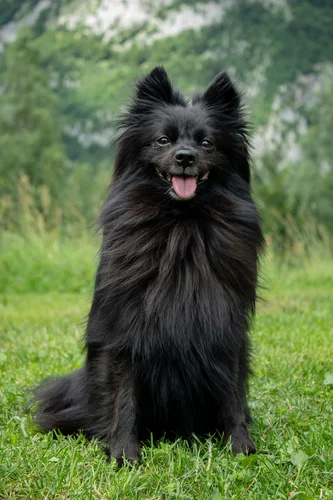
The Pomeranian is easy to recognise by its full ruff, like a "mane", and its tail curled over the back.
FAQ
This breed is a great fit if you
- Want a small, lively and affectionate companion
- Enjoy brushing and grooming time
- Are home for much of the day
- Can set gentle rules for barking
It may not be a fit if you
- Have very small children who might handle the dog roughly
- Want a quiet dog
- Are away from home most of the day
- Do not want regular grooming
Is it suitable for allergy sufferers?
Moderate shedding. No dog is completely hypoallergenic: allergens come from saliva, skin and dander, not only from hair. Reactions are individual, so spend time with the dog before you decide and talk to an allergist if you are unsure.
Which breeds are similar to Pomeranian?
Chosen from all groups: breeds of the same size, ordered by how closely their coat length, coat type and activity level match. The notes show how each breed differs from this one.
- Tibetan Terrierheavier
- Bichon Frisemore energetic, heavier
- Pekingesecalmer, heavier
- Shih Tzumore energetic, heavier
- Dachshundheavier, sheds more
Compare Pomeranian with another breed
Which other breeds might suit me?
Visit the Breeds page: with the filters and the quiz there you can get to know the breeds better.