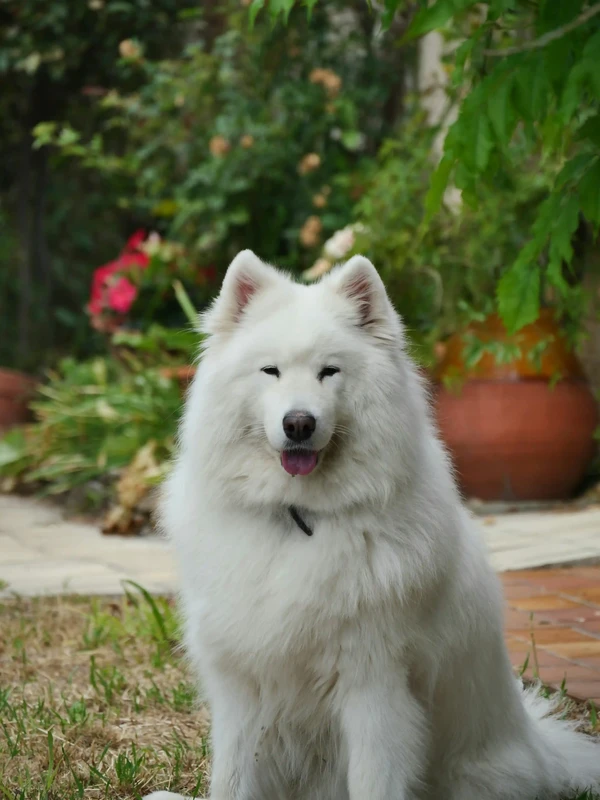
Origins
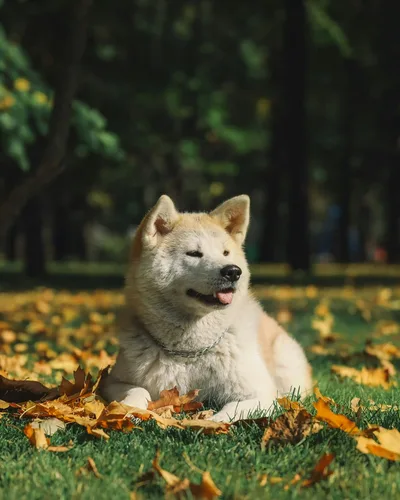
The Samoyed is named after the Samoyedic peoples of Siberia, who bred white, smiling spitz dogs for herding reindeer, hauling sledges and guarding the camp. The dogs lived closely with families, even sleeping in the tents, which is why the breed is unusually people-oriented. Explorers brought them out of Siberia at the end of the nineteenth century, and the first standard was written in Britain in 1909. The breed took part in several polar expeditions, including Scott's Antarctic attempt.
Lifestyle
Walks: An hour and a half to two hours a day, with games and a chance to run in a safe area. It enjoys cool weather and is happiest outdoors.
Being alone: It is very sociable and does not like long hours alone. Left bored, it may dig, bark or chew.
At home: A cheerful, friendly house companion. It wants to be near the family, and it can be talkative.
Children: Gentle, playful and good-natured with children, though its enthusiasm can be overwhelming for very small kids. Teach children to greet it calmly, and keep an eye on games, because a happy Samoyed jumps up and uses its paws.
Other animals: Usually friendly with other dogs and people. It may chase small animals, so introduce cats and pets carefully.
Play and activities: Hiking, sledding, carting, agility and games. It enjoys learning but loses interest with repetition.
Daily routine: Active outdoors morning and evening, with company in between. Heavy shedding needs frequent brushing.
Care essentials
Practical advice, not a medical opinion. For any health question, ask your vet.
Coat: Brush the thick white coat several times a week, and every day during heavy shedding. Dried mud on a white coat is easier to brush out than to wash off. If a bath is needed, use a shampoo for white coats.
Worth knowing: Do not clip it with clippers: the coat protects against both cold and heat.
More about everyday health in the dog health & care guide.
Fun facts
The upturned corners of the lips create the famous "Sammy smile". This shape of muzzle is thought to help reduce drooling and keep saliva from freezing in the cold.
The breed is named after the Samoyedic peoples of Siberia, alongside whom these dogs lived and worked: herding reindeer, guarding camps and helping with hunting.
The Samoyed's soft undercoat can be spun into a yarn known as chiengora. Warm scarves, sweaters and other items are knitted from it.
FAQ
This breed is a great fit if you
- Want a friendly, social family dog
- Enjoy brushing and don't mind white hair
- Are active and enjoy cold-weather outings
- Are home for much of the day
It may not be a fit if you
- Are away from home most of the day
- Want a quiet dog
- Do not want dog hair around the house
- Live in a very hot climate
Is it suitable for allergy sufferers?
Moderate shedding. No dog is completely hypoallergenic: allergens come from saliva, skin and dander, not only from hair. Reactions are individual, so spend time with the dog before you decide and talk to an allergist if you are unsure.
Which breeds are similar to Samoyed?
Chosen from all groups: breeds of the same size, ordered by how closely their coat length, coat type and activity level match. The notes show how each breed differs from this one.
- American Cocker Spanielcalmer, lighter
- German Spitzcalmer, lighter
- Keeshond (Wolfspitz)calmer, quieter
- Pulimore energetic, lighter
- Afghan Houndquieter
Compare Samoyed with another breed
Which other breeds might suit me?
Visit the Breeds page: with the filters and the quiz there you can get to know the breeds better.