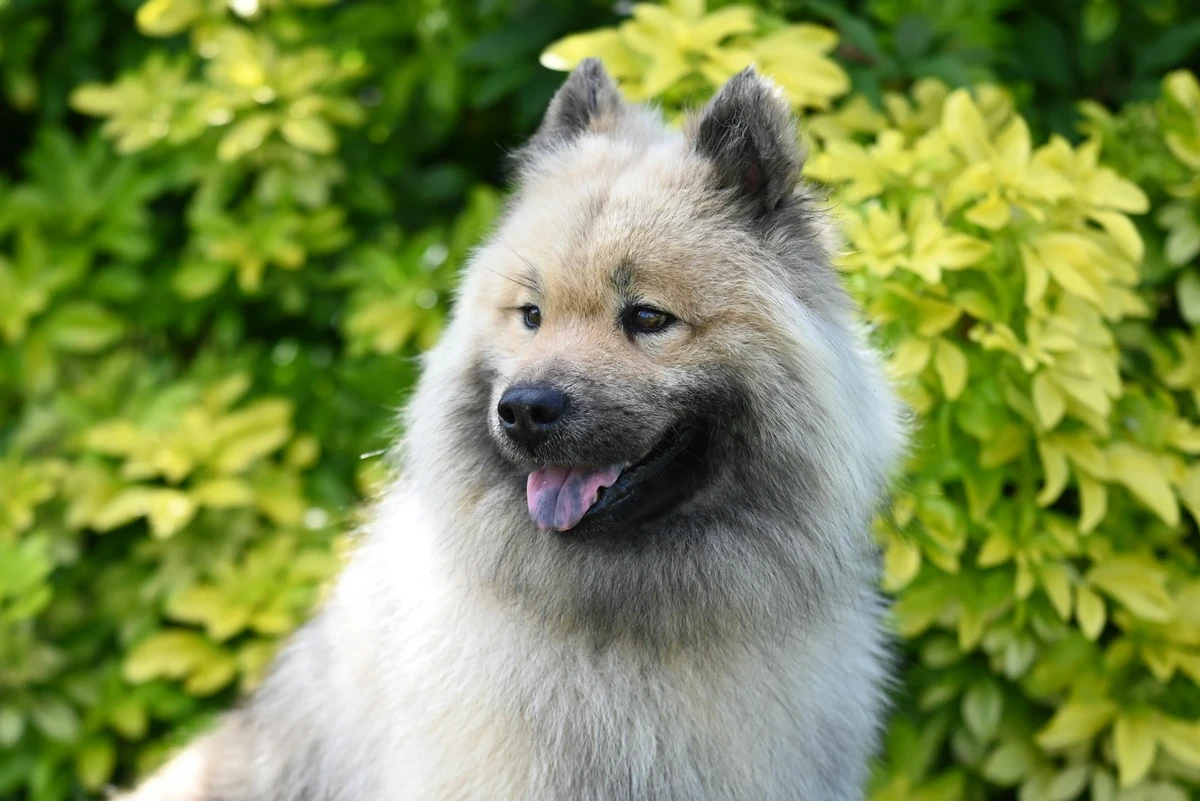
German Spitz link:
German Spitz
Summary.
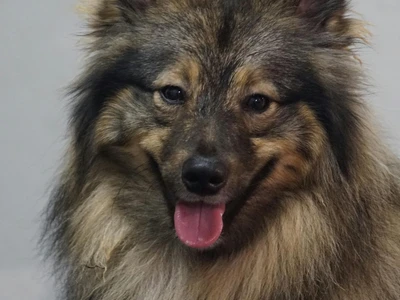
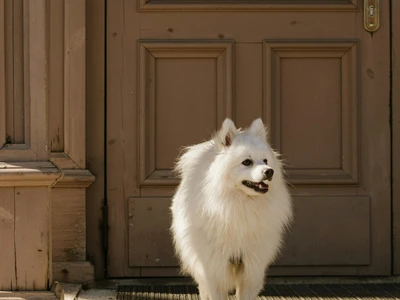
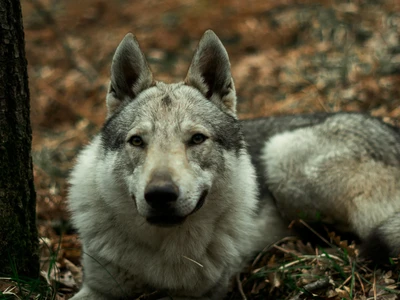
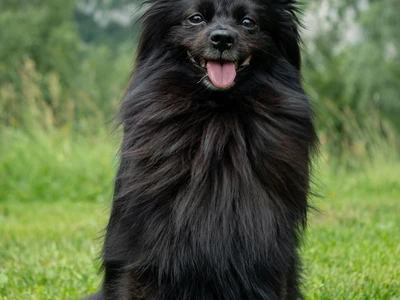
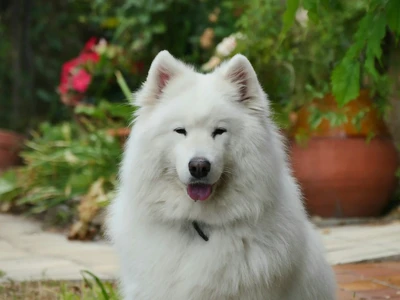
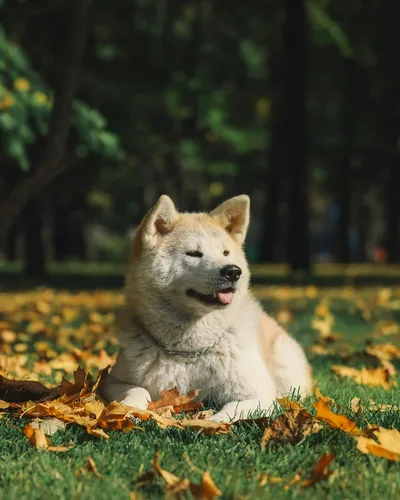
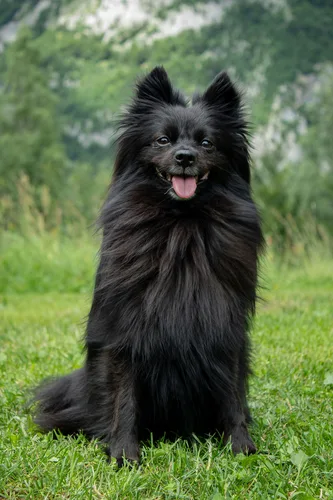
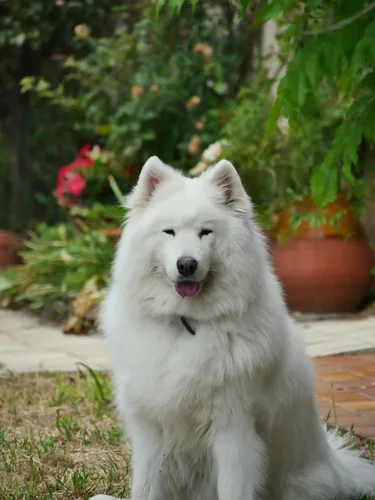
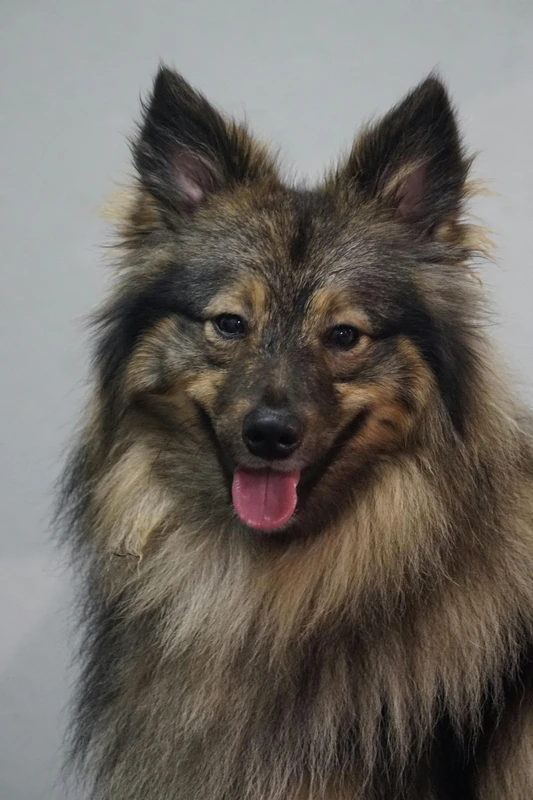
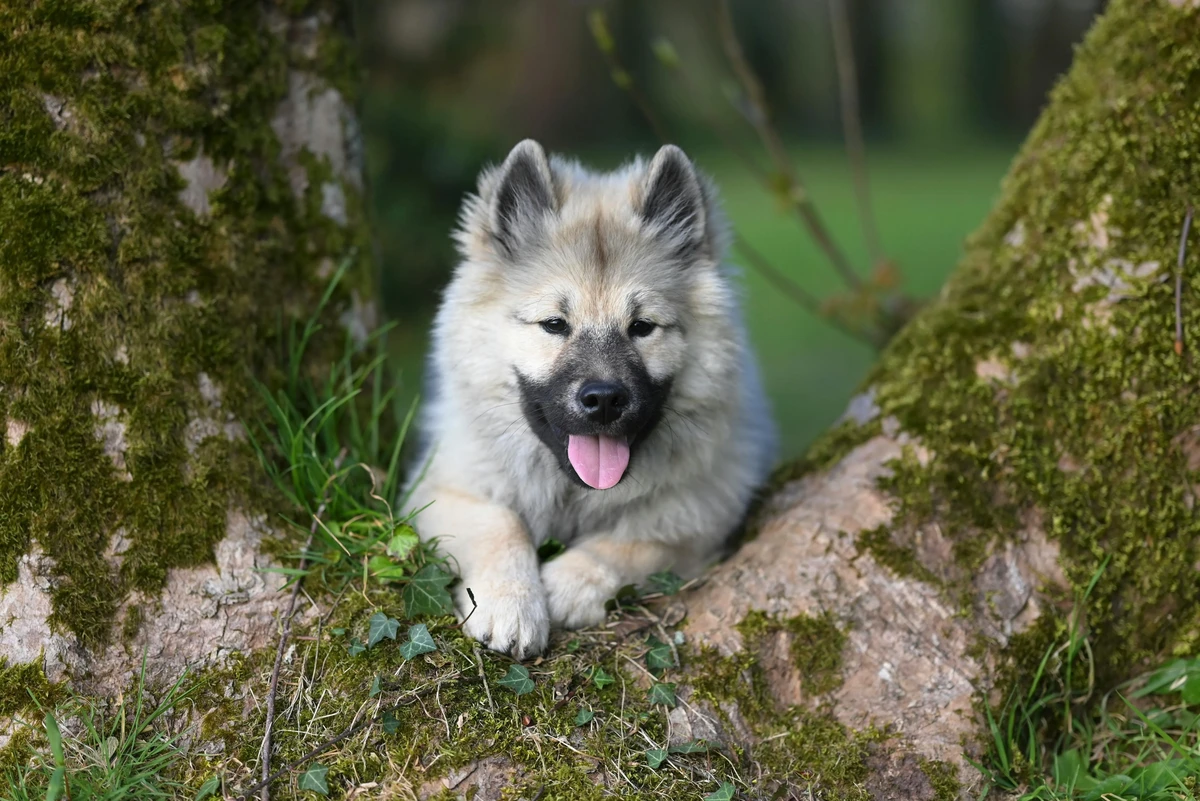
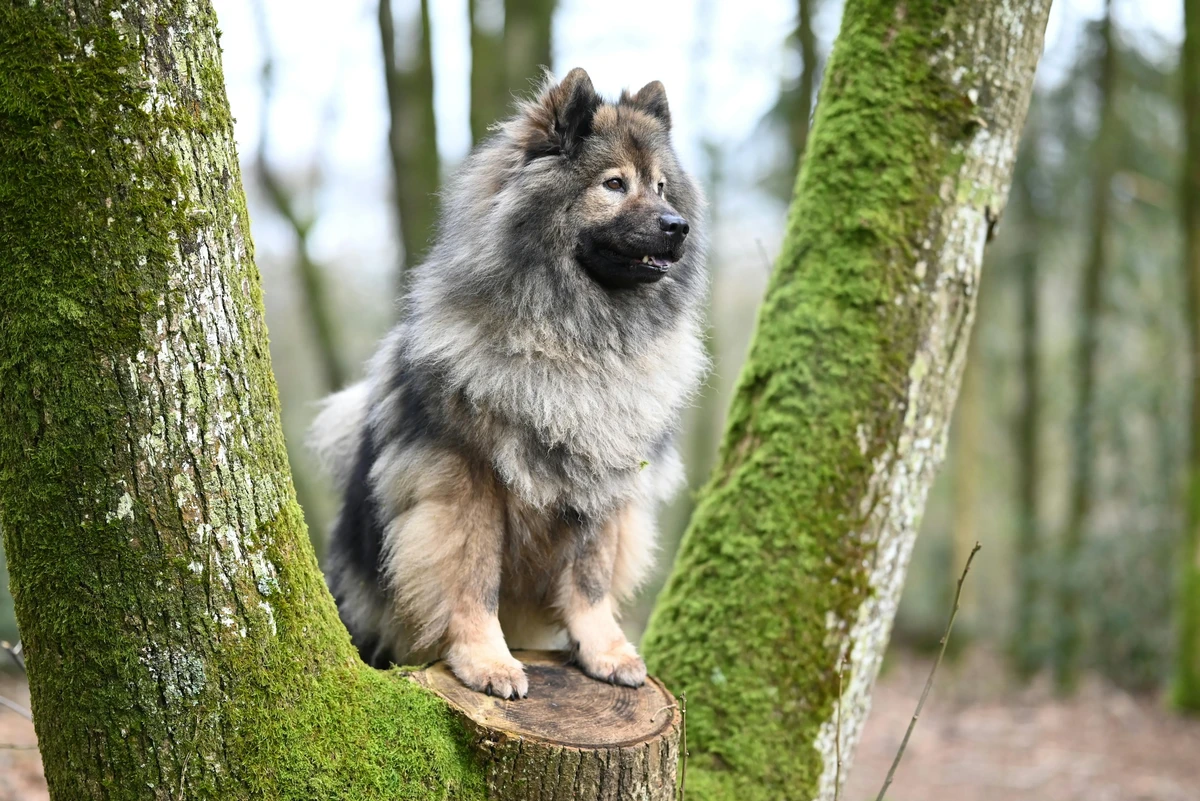
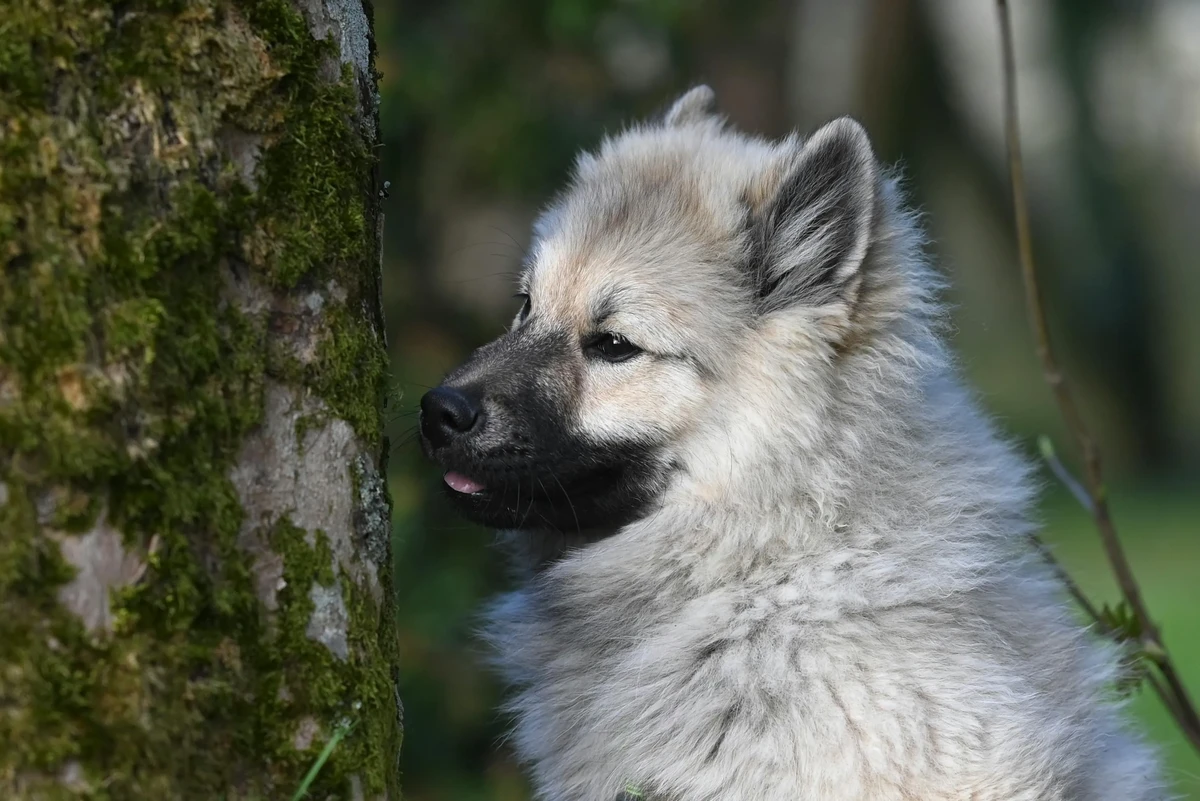
The Keeshond is a medium-sized member of the German Spitz family, closely related to the Wolfspitz. Originally developed in the Netherlands as a companion and watchdog on river barges, the breed is known for its expressive “spectacles” around the eyes, dense double coat, and highly social temperament. Keeshonds are affectionate, people-oriented dogs that thrive on close family contact and are generally friendly with strangers and other animals. They are intelligent and responsive, making them relatively easy to train, especially when methods are positive and consistent.
Despite their fluffy appearance, Keeshonds are active and enjoy daily walks and mental engagement. They are not suited for long periods of isolation and prefer to stay near their family.
Care.
The Keeshond has a thick double coat that requires regular brushing, especially during seasonal shedding periods when heavy coat loss occurs. Despite their volume of coat, they are relatively clean dogs and do not have a strong odor. Grooming a few times per week is usually sufficient outside of shedding seasons. Routine exercise, including walks and light play, is important but they do not require extreme physical activity. Mental stimulation and interaction are equally important for their well-being.
Conditions.
Keeshonds adapt well to apartment or house living as long as they receive enough attention and daily activity. They are highly social dogs and do best in environments where they are not left alone for long periods. Early socialization helps reinforce their naturally friendly behavior. They are generally good with children and integrate well into family life. Their barking tendency can vary, so training and boundaries are helpful in urban settings.