Origins
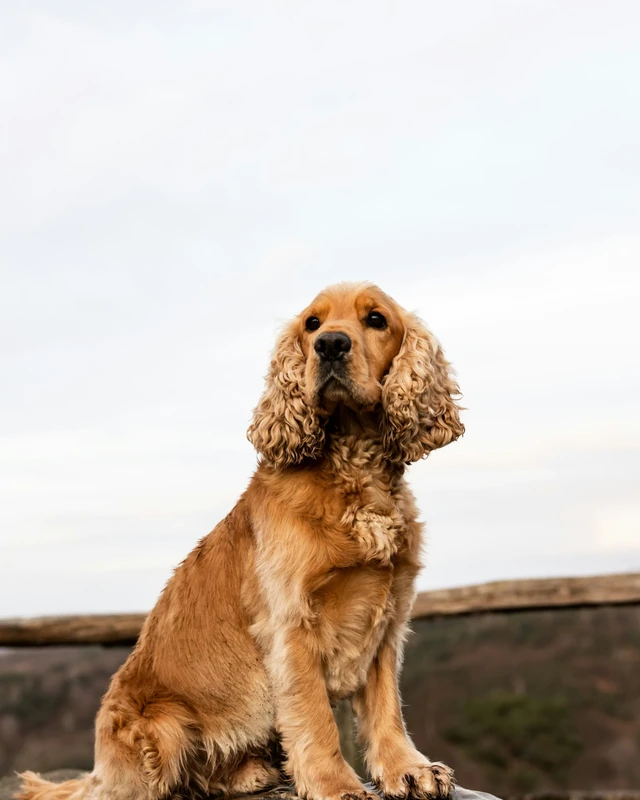
The American Cocker Spaniel descends from dogs brought to North America from England in the nineteenth century, where the Cocker was still one breed with the English Cocker. American breeders wanted a smaller, silkier-coated dog for hunting woodcock in dense cover. The two types drifted apart, and the American Cocker was recognised as a separate breed in the United States in 1946. It became one of the most popular companion breeds of the twentieth century and the model for the Disney dog Lady.
Lifestyle
Walks: About an hour a day, split into two walks, with sniffing and a chance to run. It loves exploring and splashing in water.
Being alone: It bonds closely with its family and dislikes long hours alone. It may bark or fret if left.
At home: A cuddly, cheerful housemate that follows the family and often curls up on a lap. It likes a soft bed in the family room, and brushing its coat in the evening is a calm moment you both enjoy.
Children: Gentle and playful with children, usually very patient. Teach kids to be careful with its long ears.
Other animals: Generally friendly with dogs, cats and other pets, especially when socialised early. Introduce new animals gently, since a Cocker is usually friendly but can be shy at first.
Play and activities: Walks, fetch, scent games, swimming and trick training. It is sensitive, so use praise and treats.
Daily routine: Two walks and playtime with company between. Regular grooming sessions are part of the routine.
Care essentials
Practical advice, not a medical opinion. For any health question, ask your vet.
Coat: The long silky coat must be brushed thoroughly several times a week, paying special attention to the ears, legs and places where tangles form. Regular professional grooming will be needed to keep the coat in shape. After walks, check the coat for burrs, especially on the ears and belly. Wipe the hair around the mouth after meals.
Ears, paws and teeth: Also keep an eye on the condition of the eyes, teeth and claws.
Worth knowing: Long drooping ears get little air, so it is important to check and clean them regularly as your vet advises.
More about everyday health in the dog health & care guide.
Fun facts
The American Cocker Spaniel is the smallest of the sporting breeds recognised by the American Kennel Club (AKC).
The breed became especially popular after Disney's "Lady and the Tramp": the character of Lady was modelled on an American Cocker Spaniel.
Despite its smart appearance, the Cocker Spaniel was originally a gundog. It was used to find and flush woodcock and other game birds.
FAQ
This breed is a great fit if you
- Want a cheerful, affectionate small to medium dog
- Do not mind regular grooming
- Are home often
- Enjoy gentle training and walks
It may not be a fit if you
- Dislike grooming costs and brushing
- Are away from home most of the day
- Want a low-maintenance coat
- Want a dog that is not sensitive to harsh voices
Is it suitable for allergy sufferers?
Heavy shedding. No dog is completely hypoallergenic: allergens come from saliva, skin and dander, not only from hair. Reactions are individual, so spend time with the dog before you decide and talk to an allergist if you are unsure.
Which breeds are similar to American Cocker Spaniel?
Chosen from all groups: breeds of the same size, ordered by how closely their coat length, coat type and activity level match. The notes show how each breed differs from this one.
- German Spitzvery similar overall
- Keeshond (Wolfspitz)heavier
- Afghan Houndmore energetic, heavier
- Pulimore energetic, sheds less
- Samoyedmore energetic, heavier
Compare American Cocker Spaniel with another breed
Which other breeds might suit me?
Visit the Breeds page: with the filters and the quiz there you can get to know the breeds better.