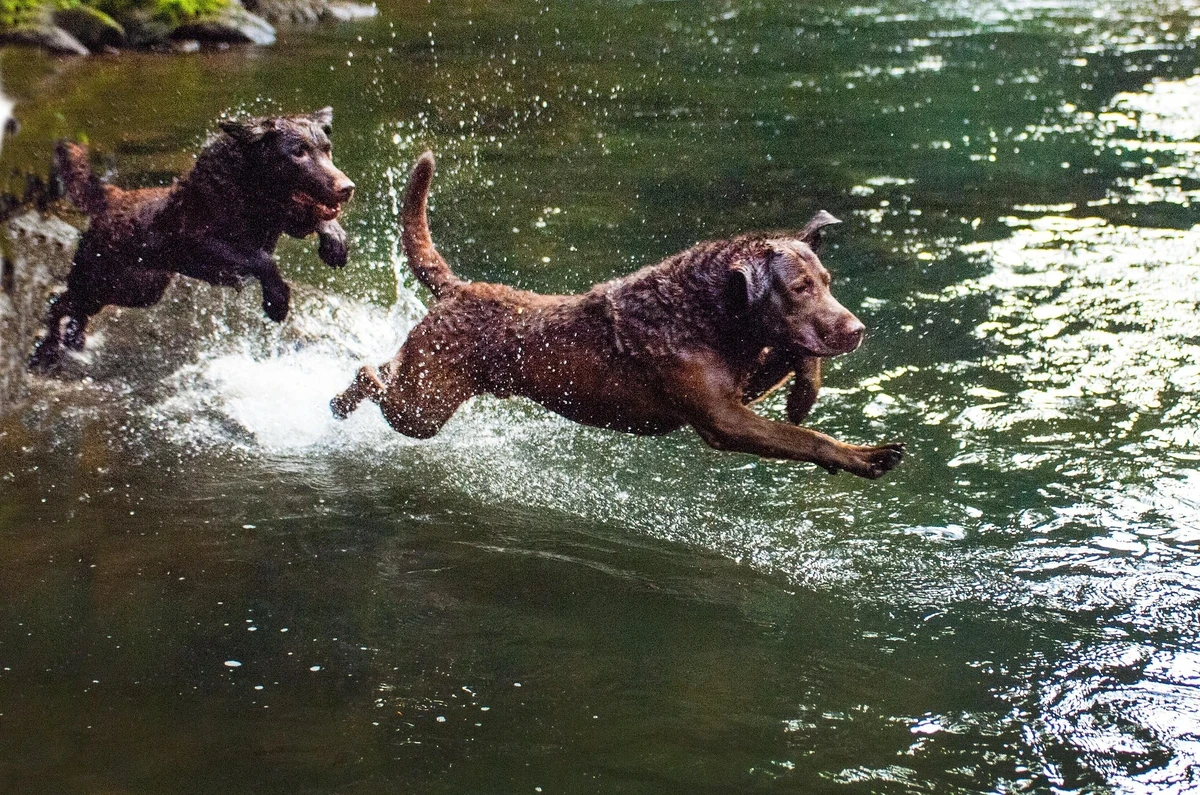
Summary
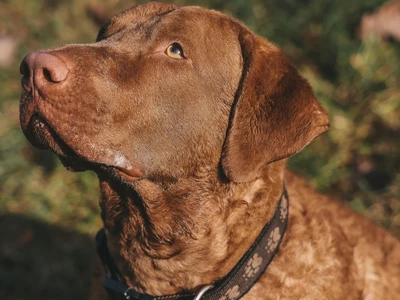
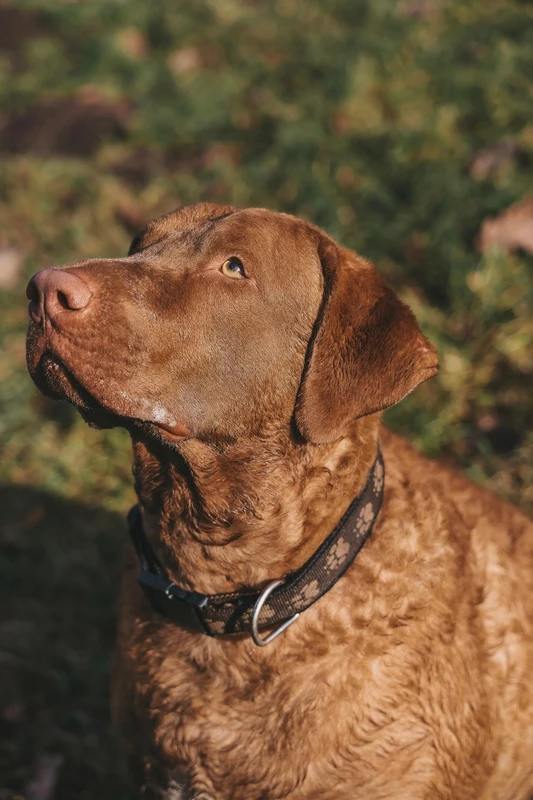
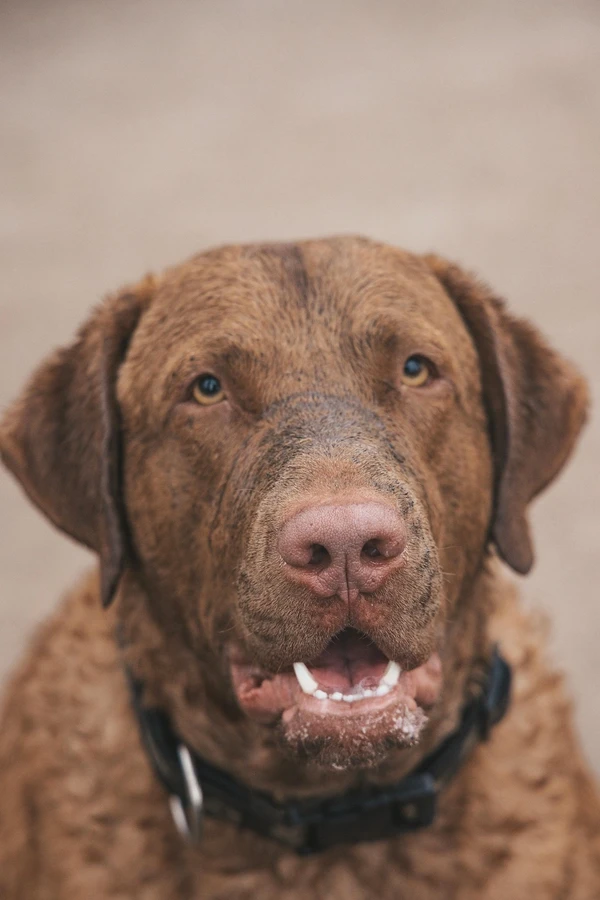
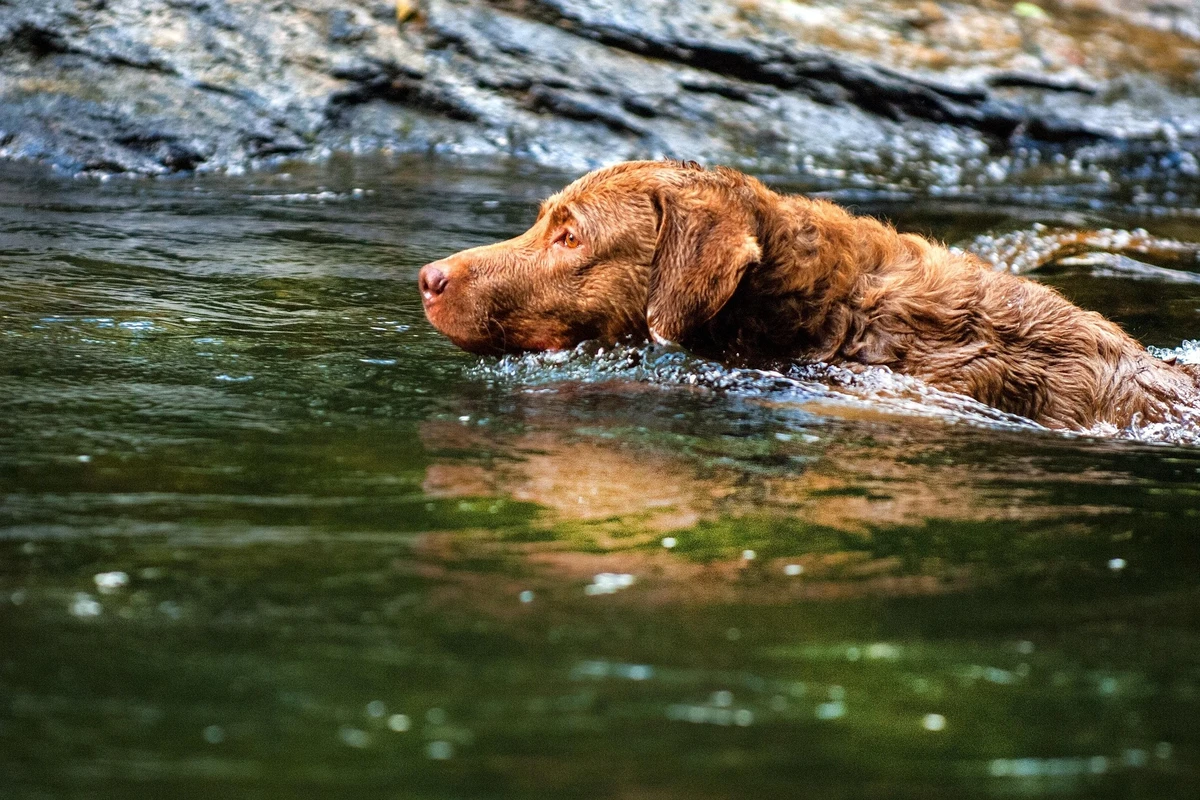
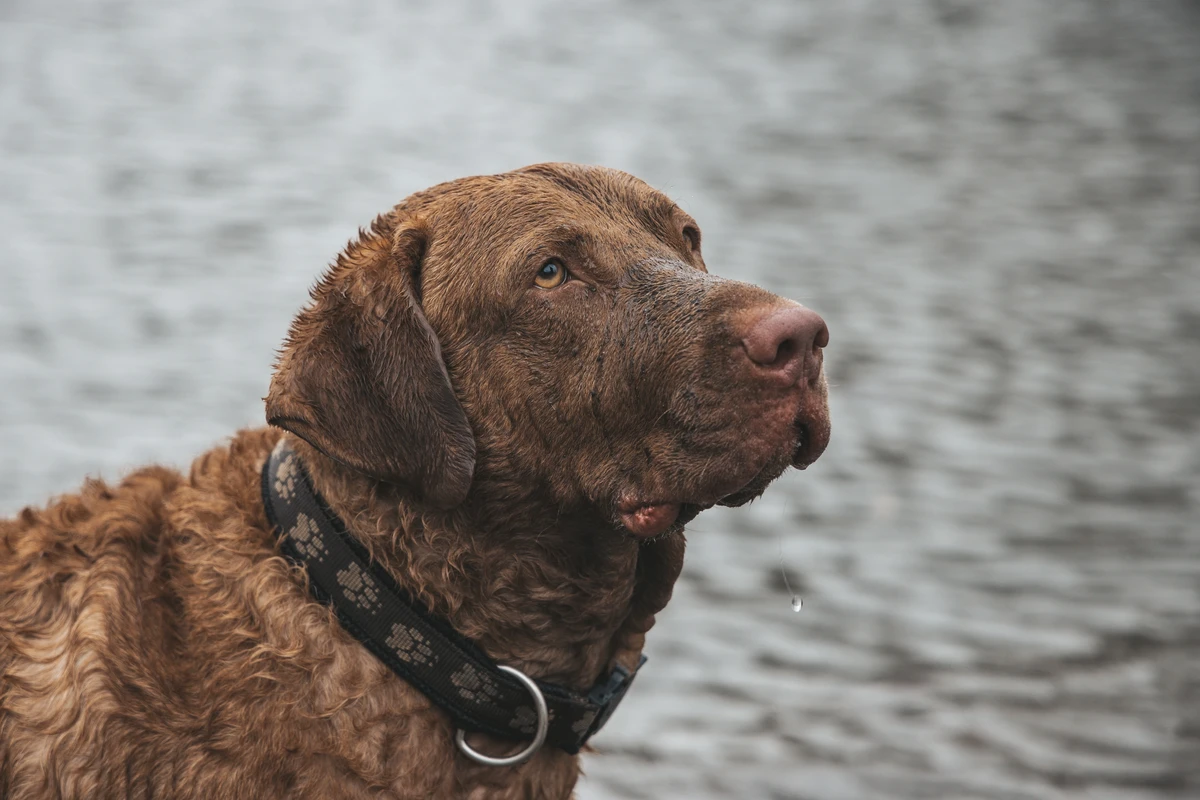
The Chesapeake Bay Retriever is a powerful, rugged American retriever, developed along Chesapeake Bay to hunt waterfowl in the worst weather — ice, snow and freezing water. It has a thick, oily double coat that sheds water like a duck's feathers and comes in colours that blend with its working surroundings: any shade of brown, sedge or deadgrass. Bright, courageous and full of quiet good sense, the Chesapeake is affectionate and protective with its family but reserved with strangers and often independent. It needs an experienced owner, plenty of exercise and water, and a job to do.
History & origin
The Chesapeake Bay Retriever was founded on two Newfoundland-type dogs, Sailor and Canton, rescued from a shipwreck off the Maryland coast in 1807, and crossed with local retrievers, hounds and spaniels by hunters around Chesapeake Bay. The result was a tough, weatherproof retriever able to work all day in icy water, retrieving ducks and geese for market and sport. The breed was developed and prized by American waterfowlers, recognised by the American Kennel Club in 1878 and by the FCI in 1964, and it remains a specialist's dog — less common than the Labrador or Golden, but treasured for its endurance, its water-resistant coat and its independent, devoted character.
Care
The Chesapeake's coat is its engineering marvel: a harsh, oily outer coat over a dense, woolly undercoat that sheds water and dries quickly, with a slight wave over the shoulders, neck, back and loins. It needs regular brushing — weekly, and more during the two heavy seasonal moults — to remove dead undercoat, but it should not be bathed often, as washing strips the natural oils that make it waterproof. Ears need checking and drying after swimming. This is a strong, athletic working retriever that needs plenty of daily exercise and, ideally, swimming, retrieving and scent work; a bored Chesapeake can be destructive. Intelligent but independent and sometimes stubborn, it trains well with fair, consistent, positive methods and does badly with harsh handling.
Conditions
The Chesapeake Bay Retriever suits active, experienced owners who can give it real work or sport and plenty of outdoor life; it is not the easiest first dog. Affectionate and protective with its family, it is reserved, sometimes aloof, with strangers, which makes it an excellent watchdog, and its protective instinct means early socialisation and clear rules are essential. It generally does well with children and other pets in a well-run household, though it can be territorial with other dogs. It loves water and cold weather and is happiest with a garden, long walks and swimming. It dislikes being left alone for long and needs a firm, kind owner who can channel its strength and independence.