

Summary.
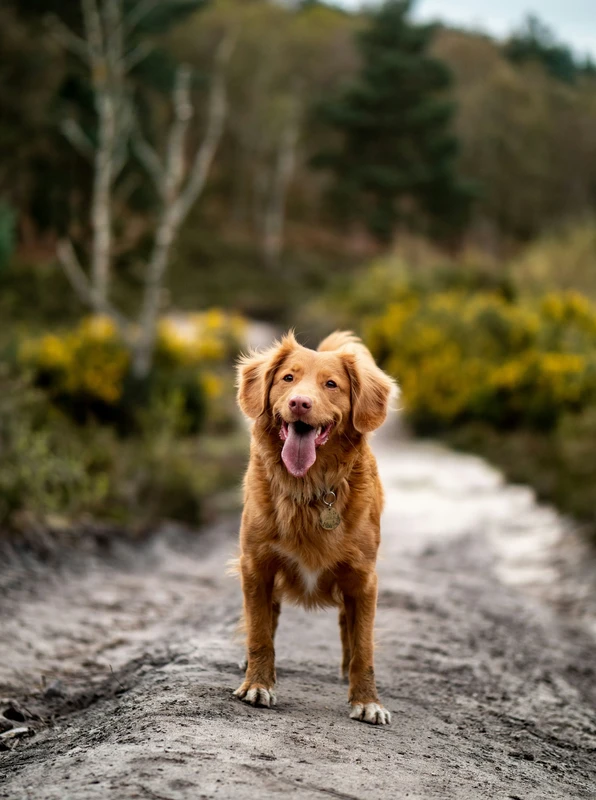
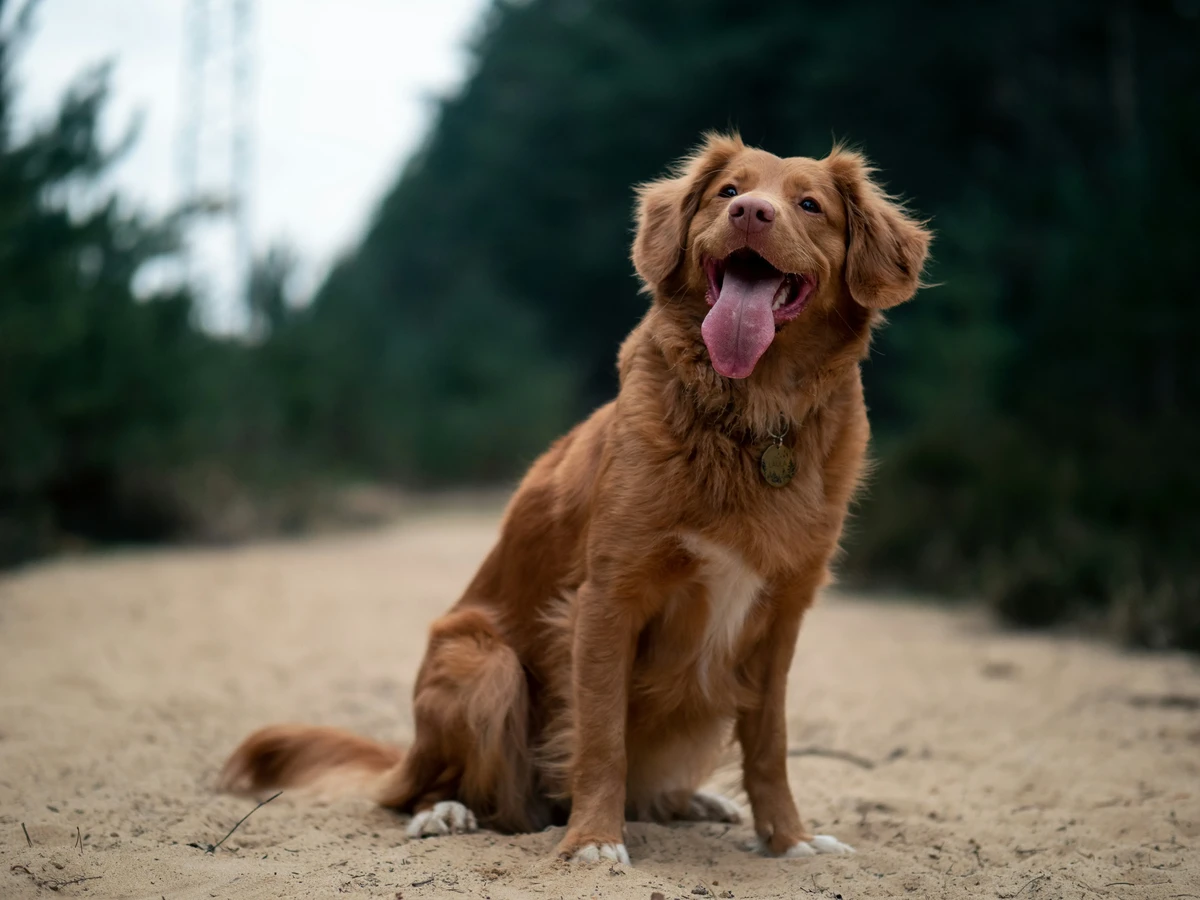
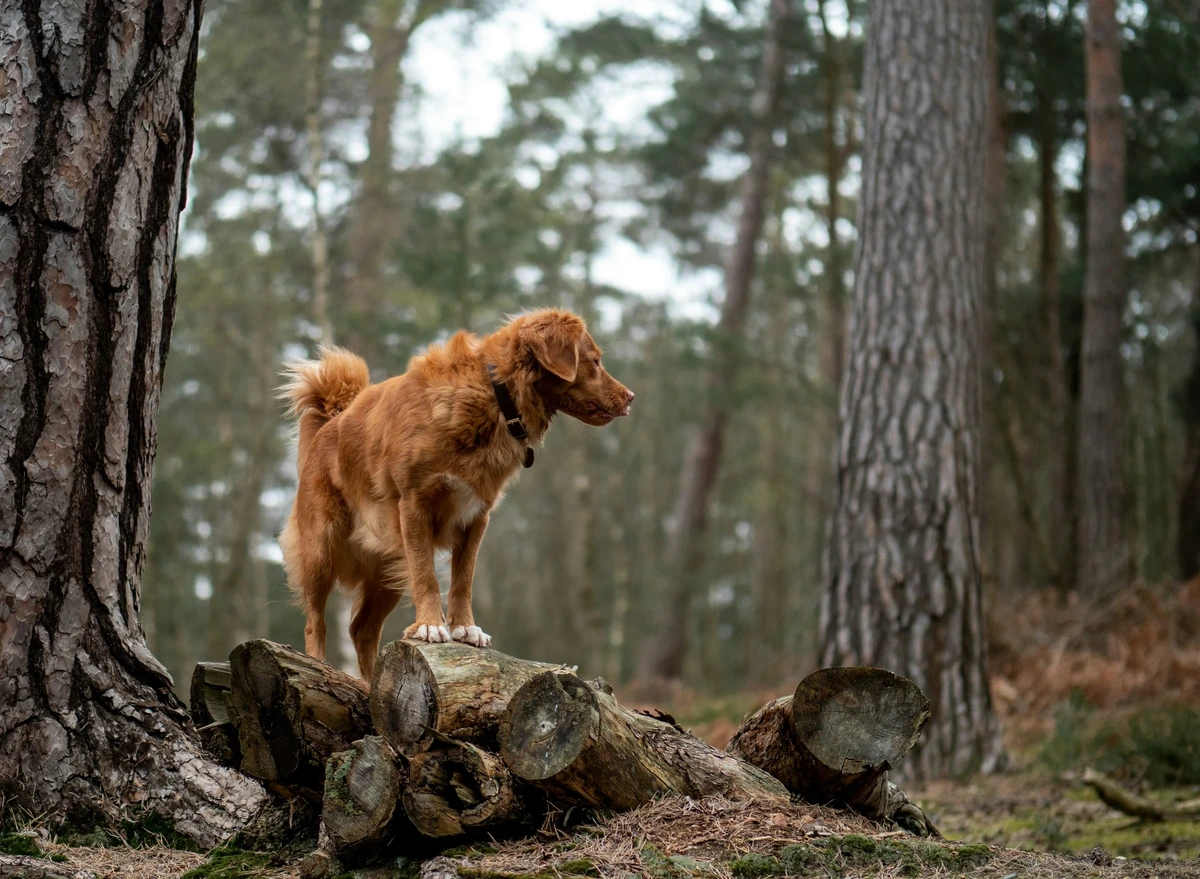
The Nova Scotia Duck Tolling Retriever is the smallest of the retriever breeds, originally developed in Canada for luring and retrieving waterfowl. Intelligent, athletic, and affectionate, Tollers are known for their playful nature and high energy. They form strong bonds with their families and usually do well with active owners who can provide both physical exercise and mental stimulation. Their alertness and enthusiasm make them excellent sporting and companion dogs. Tollers are highly observant and often react quickly to movement and sounds, making them naturally attentive companions. Despite their energetic temperament, they are usually gentle and loving with people they trust.
Care.
This breed requires regular daily exercise and enjoys activities such as running, hiking, swimming, retrieving games, agility, and obedience training. Their thick double coat should be brushed several times a week to control shedding and prevent matting, especially during seasonal coat changes. Tollers are intelligent and sensitive, responding best to positive reinforcement training. Mental stimulation is important to prevent boredom-related behaviors. Without enough activity, they may develop destructive habits or excessive barking from frustration. Routine interaction and training sessions help keep them emotionally balanced and confident.
Conditions.
Best suited for active households with access to outdoor activities. Apartment living is possible only with significant daily exercise and engagement. They generally do well with children and other pets when properly socialized. Nova Scotia Duck Tolling Retrievers prefer being close to their family and may become restless or vocal if left alone for long periods. A home with a yard or regular access to nature is especially beneficial for this breed’s energy level. They thrive in environments where they can participate in family activities rather than being isolated for many hours each day.