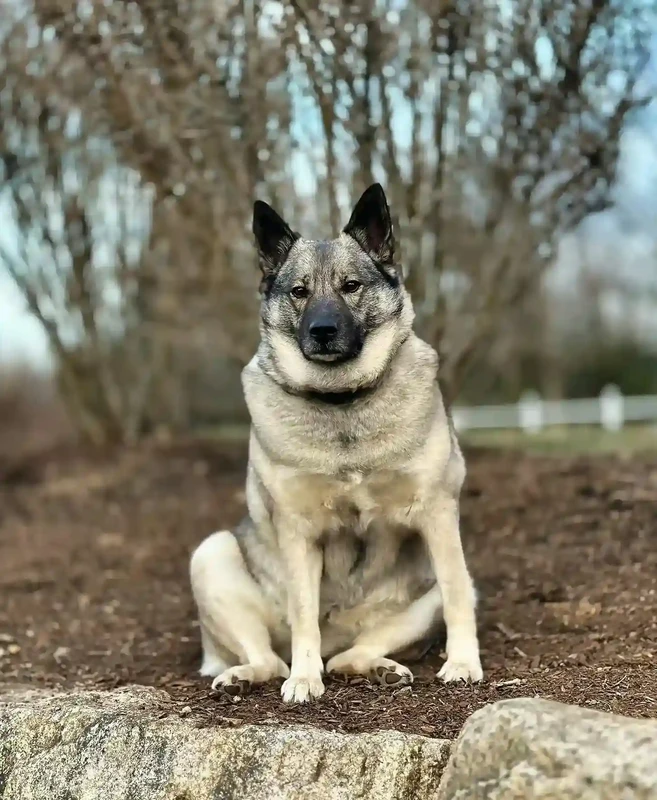
Origins
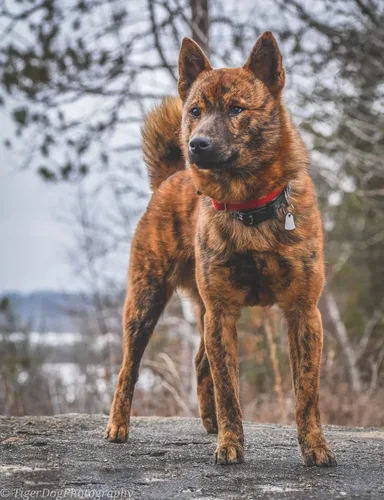
The Norwegian Elkhound Grey is an ancient Scandinavian spitz that has been found in burial sites dating back thousands of years. Norwegian hunters used it to find and hold moose and bear at bay while barking steadily, and it also guarded farms and herded livestock. The breed was standardised in Norway in 1901, and the grey variety is the older and more common of the two. It was recognised internationally in the early twentieth century and is still prized as a hunting and family dog.
Lifestyle
Walks: An hour and a half to two hours a day, and it enjoys wet and cold weather. Keep it on a lead or long line, because it follows scent and may not return.
Being alone: It does not enjoy long hours alone and may bark or dig. Company and exercise before you go out help.
At home: A calm companion indoors after exercise, though it barks readily when it sees or hears something. Teach a "quiet" command early.
Children: Loyal, playful and usually gentle with children in its family. As with all strong dogs, supervise small children.
Other animals: Often friendly with dogs it knows, but it can be bossy with unfamiliar dogs. Cats and small pets can trigger its hunting instinct.
Play and activities: Hiking, running, scent tracking, carting and obedience. Training works best when short, varied and rewarded.
Daily routine: Active outdoors morning and evening with plenty of rest. Seasonal shedding is heavy.
Care essentials
Practical advice, not a medical opinion. For any health question, ask your vet.
Coat: Brush the thick coat two or three times a week, and every day during the heavy shed twice a year. Bathe rarely: the thick coat repels dirt. After a bath the undercoat must be dried completely.
More about everyday health in the dog health & care guide.
Fun facts
Dogs of the Norwegian Elkhound type accompanied people as far back as Viking times. According to historical accounts, the remains of such dogs were found in ancient burials, laid to rest beside their owners.
On a hunt the Elkhound tracks a moose and holds its attention with loud barking until the hunter arrives. The dog does not try to attack the animal but helps the hunter pinpoint its location.
To distract the moose and keep it from getting away, the dog moves in front of it, lunging forward and falling back. The loud barking lets the hunter follow the course of the hunt even from a distance.
FAQ
This breed is a great fit if you
- Love hiking and long walks in all weather
- Want a loyal, hardy family dog
- Have a secure fence and a garden
- Can manage a vocal, independent dog
It may not be a fit if you
- Want a quiet dog
- Have cats or small pets
- Are away from home most of the day
- Want a dog that always comes back when called
Is it suitable for allergy sufferers?
Noticeable shedding. No dog is completely hypoallergenic: allergens come from saliva, skin and dander, not only from hair. Reactions are individual, so spend time with the dog before you decide and talk to an allergist if you are unsure.
Which breeds are similar to Norwegian Elkhound Grey?
Chosen from all groups: breeds of the same size, ordered by how closely their coat length, coat type and activity level match. The notes show how each breed differs from this one.
- American Eskimo Doglighter
- Czechoslovakian Wolfdogquieter
- German Spanielvery similar overall
- Nova Scotia Duck Tolling Retrieververy similar overall
- Romagna Water Doglighter, sheds less
Compare Norwegian Elkhound Grey with another breed
Which other breeds might suit me?
Visit the Breeds page: with the filters and the quiz there you can get to know the breeds better.