Origins
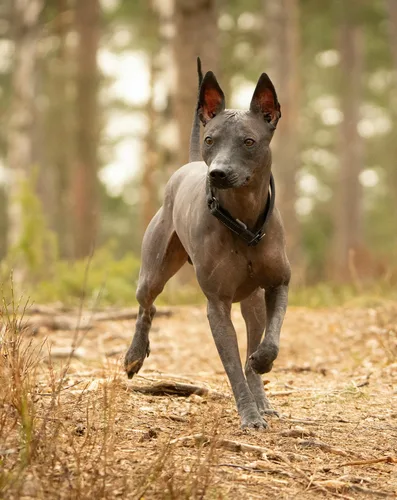
The Portuguese Podengo is an ancient Iberian hunting breed, and dogs of this type were already described in Portugal in the Middle Ages. It is bred in three sizes — small, medium and large — and the small Podengo hunts rabbits in packs, while the large one was used for deer and wild boar. The dogs also travelled with Portuguese navigators on their voyages. The breed was standardised in Portugal in 1955 and remains a hardy working hound as well as a lively companion.
Lifestyle
Walks: An hour to two hours a day depending on size, with a safe area to run. Off lead it follows scent and movement, so recall is unreliable.
Being alone: It likes company and may dig or bark when left alone. Exercise before you go out helps.
At home: Calm and tidy once exercised, happy on a soft bed or sofa. Larger Podengos need space to stretch.
Children: Playful and affectionate with respectful children. Teach kids to approach calmly.
Other animals: Usually fine with dogs, especially in a pack. Small animals outdoors may trigger chasing.
Play and activities: Running, lure coursing, scent games, hiking and agility. A clever mind needs puzzles too.
Daily routine: Active outings morning and evening and rest in between. Give it a longer outing at the weekend, and keep the days between steady so that it learns when to run and when to rest.
Care essentials
Practical advice, not a medical opinion. For any health question, ask your vet.
Coat: Brush the short smooth or wiry coat once a week. Bathe rarely: a short coat dries quickly and smells little.
Ears, paws and teeth: Check the large ears and trim the claws. After walks, check the paws.
More about everyday health in the dog health & care guide.
Fun facts
The Portuguese Podengo comes in small, medium and large sizes. All three were historically used for hunting, but each specialised in its own quarry.
The small Podengo hunted mainly rabbits, the medium one rabbits and wild boar, and the large one helped track deer and wild boar.
The three sizes have their own standards and are considered separate varieties of the breed. They are bred separately, rather than producing puppies of different sizes from the same parents.
FAQ
This breed is a great fit if you
- Are active and enjoy running or hiking
- Have a secure fence
- Want a clean, low-maintenance coat
- Can give training and mental games
It may not be a fit if you
- Have no secure place to run
- Have rabbits, hamsters or free-roaming cats
- Want a dog that always comes back off lead
- Are away from home most of the day
Is it suitable for allergy sufferers?
Heavy shedding. No dog is completely hypoallergenic: allergens come from saliva, skin and dander, not only from hair. Reactions are individual, so spend time with the dog before you decide and talk to an allergist if you are unsure.
Which breeds are similar to Portuguese Podengo?
Chosen from all groups: breeds of the same size, ordered by how closely their coat length, coat type and activity level match. The notes show how each breed differs from this one.
- American Staffordshire Terriervery similar overall
- Bull Terriervery similar overall
- Sloughiquieter
- Whippetlighter, quieter
- American Pit Bull Terriermore energetic, sheds less
Compare Portuguese Podengo with another breed
Which other breeds might suit me?
Visit the Breeds page: with the filters and the quiz there you can get to know the breeds better.