Origins
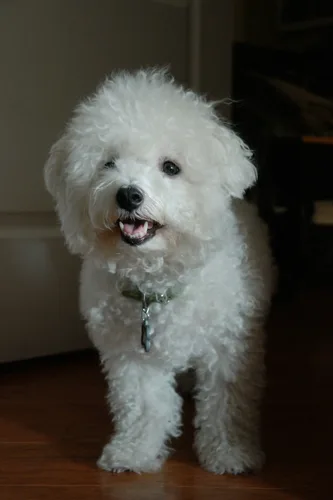
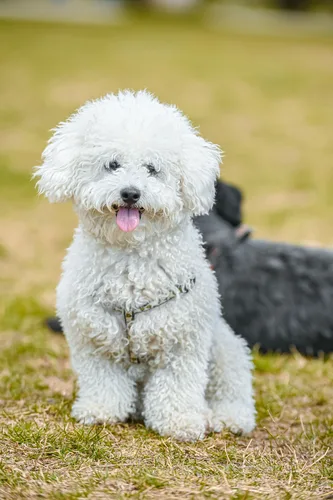
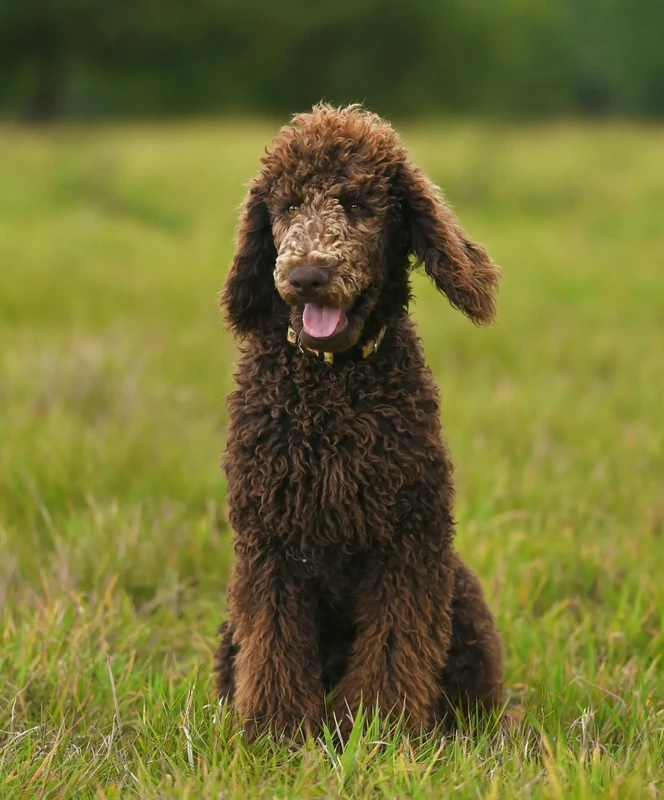
The Poodle descends from old European water dogs, and its name comes from the German word pudel, meaning to splash in water. It worked as a retriever in Germany and, later, as a circus and companion dog in France, where it became the national breed. The characteristic lion clip was originally practical: the chest and joints were left covered to keep the dog warm in cold water. The breed was standardised in Germany in 1904 and is bred today in three sizes: standard, miniature and toy.
Lifestyle
Walks: One to two hours a day depending on size. Standard Poodles enjoy running and swimming, and smaller ones are happy with shorter walks and play.
Being alone: It bonds closely and dislikes long hours alone. Bored, it may bark or invent its own games.
At home: Affectionate and clever indoors, happy to stay close to the family. Its coat sheds little.
Children: Playful and good-natured with children. Smaller sizes are better with calm, careful kids.
Other animals: Usually friendly with dogs and pets, especially when socialised early. Socialise it early and it will get on with almost everyone, and it often enjoys the company of another dog.
Play and activities: Tricks, agility, obedience, swimming and scent games. It learns fast and loves a challenge.
Daily routine: Active morning and evening with training and games between. It enjoys a mix of exercise, training and play, and a regular grooming session fits neatly into its day.
Care essentials
Practical advice, not a medical opinion. For any health question, ask your vet.
Coat: The curly coat hardly sheds, but it must be brushed several times a week and clipped every four to eight weeks. To keep the curls from matting, brush the coat as it dries after a bath. Trim the hair on the paws and around the eyes as needed.
Ears, paws and teeth: Clean the ears and remove tear tracks.
More about everyday health in the dog health & care guide.
Fun facts
The breed's name is linked to the German word pudeln, meaning "to splash in water". Poodles were originally used to retrieve shot waterfowl from the water.
The Poodle's famous clip did not appear only for beauty. The hair on the chest and around the joints was left longer to protect the body from cold water, while the other areas were clipped shorter to make swimming easier for the dog.
In the psychologist Stanley Coren's ranking of dog intelligence, the Poodle comes second, behind only the Border Collie. The ranking took into account above all the dogs' ability to learn commands and carry them out.
FAQ
This breed is a great fit if you
- Enjoy training and teaching tricks
- Want a clever dog that sheds little
- Do not mind regular grooming
- Are active and home often
It may not be a fit if you
- Dislike grooming costs
- Are away from home most of the day
- Want a low-effort dog
- Cannot give daily mental stimulation
Is it suitable for allergy sufferers?
Minimal shedding. No dog is completely hypoallergenic: allergens come from saliva, skin and dander, not only from hair. Reactions are individual, so spend time with the dog before you decide and talk to an allergist if you are unsure.
Which breeds are similar to Poodle?
Chosen from all groups: breeds of the same size, ordered by how closely their coat length, coat type and activity level match. The notes show how each breed differs from this one.
- Portuguese Water Dogvery similar overall
- Afghan Houndsheds more
- Portuguese Podengosheds more
- Samoyedbarks more
- American Cocker Spanielcalmer, lighter
Compare Poodle with another breed
Which other breeds might suit me?
Visit the Breeds page: with the filters and the quiz there you can get to know the breeds better.