Origins
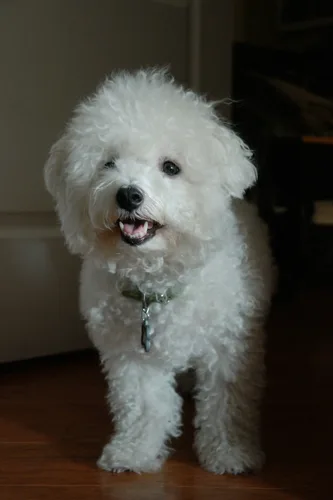
The Bolognese is a small white companion dog from Bologna in Italy, and ancestors of this type appear in Italian art of the Renaissance. Noble families kept them as lap dogs and gave them as diplomatic gifts to other European courts. The breed nearly disappeared in the nineteenth century and was rebuilt from a few surviving lines in the twentieth. Italy recognised the Bolognese in 1956, and it is still rare outside its homeland.
Lifestyle
Walks: About 40 minutes a day in two short walks, plus gentle play indoors. It enjoys exploring on a lead.
Being alone: It bonds closely and dislikes being left alone for long. Practise short absences early.
At home: Quiet, gentle and happy to sit on a lap or sofa. It is a devoted shadow.
Children: Gentle with calm children. Small kids should be taught to hold it carefully.
Other animals: Generally friendly with dogs and cats. It gets on calmly with other pets, though a boisterous big dog can frighten it, so introduce new ones slowly.
Play and activities: Short walks, simple tricks and indoor games. It learns well with praise and treats.
Daily routine: Two short walks, company and long naps. A regular brushing time is helpful.
Care essentials
Practical advice, not a medical opinion. For any health question, ask your vet.
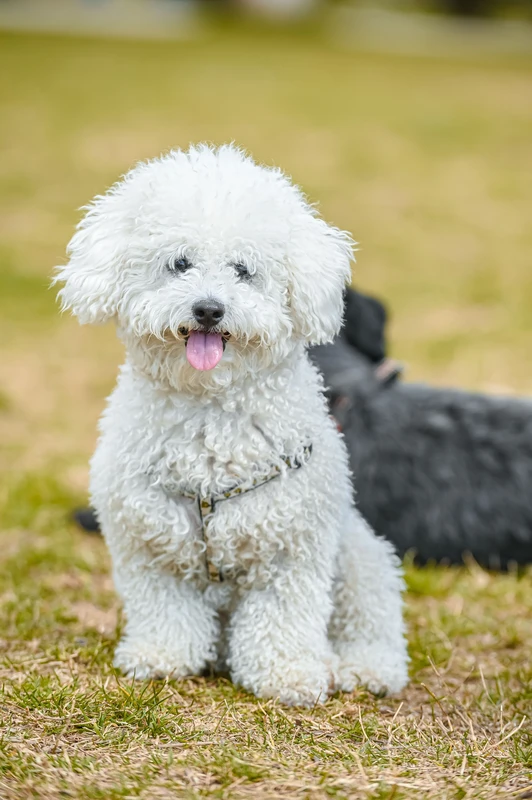
Coat: The fluffy white coat sheds little and needs brushing three or four times a week to prevent tangles, and clipping once every few months. Periodically trim the hair around the eyes and under the tail: that makes it easier to keep clean.
Ears, paws and teeth: Wipe the face and eyes every day.
Worth knowing: In the rain you can put on a light raincoat.
Knees: Small breeds often have a kneecap that slips out of place. If the dog suddenly limps or hops on a hind leg, show it to the vet.
More about everyday health in the dog health & care guide.
Fun facts
The breed's name is linked to the Italian city of Bologna, where it became well known. The Bolognese has a history of several centuries: mentions of similar dogs appear as early as the 13th century.
In Renaissance paintings Bolognese were often shown beside aristocrats. Thanks to their small size and calm character, they were popular lapdogs at European courts.
The Bolognese's coat grows in fluffy flocks and needs no shaped clipping: the breed is shown in its natural state.
FAQ
This breed is a great fit if you
- Want a gentle, calm lap companion
- Are home often
- Do not mind regular brushing
- Prefer a small dog that sheds little
It may not be a fit if you
- Are away from home most of the day
- Want a very active dog for sports
- Have rough young children
- Dislike grooming
Is it suitable for allergy sufferers?
Minimal shedding. No dog is completely hypoallergenic: allergens come from saliva, skin and dander, not only from hair. Reactions are individual, so spend time with the dog before you decide and talk to an allergist if you are unsure.
Which breeds are similar to Bolognese?
Chosen from all groups: breeds of the same size, ordered by how closely their coat length, coat type and activity level match. The notes show how each breed differs from this one.
- Tibetan Terriermore energetic, heavier
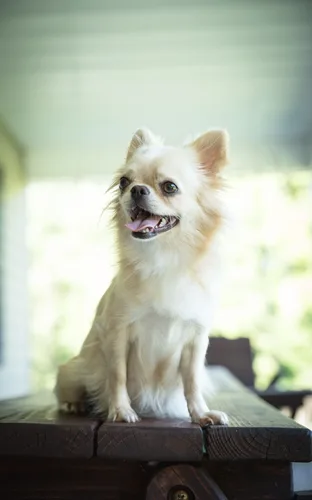
- Chihuahualighter, barks more
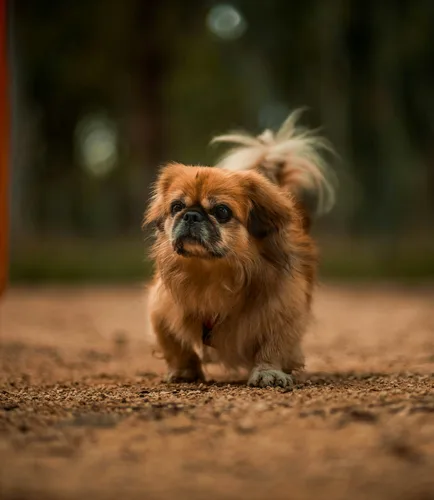
- Pekingeseheavier, barks more
- Bichon Frisemore energetic, heavier
- Dachshundmore energetic, heavier
Compare Bolognese with another breed
Which other breeds might suit me?
Visit the Breeds page: with the filters and the quiz there you can get to know the breeds better.