Origins
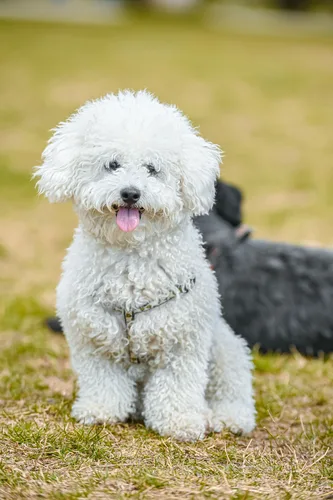
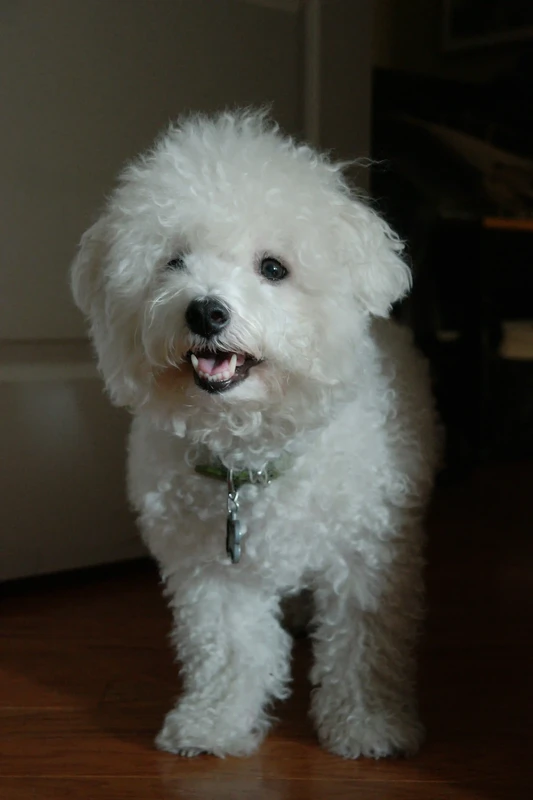
The Bichon Frise descends from small white dogs carried around the Mediterranean by sailors and traders in the Middle Ages. The type was refined in France, where it became a favourite of the court and later of street performers and organ grinders. Its loose, curly coat and cheerful temper made it a popular circus dog. The breed was recognised in France in 1933 and in the United States in 1972, and is now a much-loved companion.
Lifestyle
Walks: About 45 minutes a day, split into two walks, with lively play. It enjoys short bursts of racing around.
Being alone: It dislikes being left alone for long and can bark or fret. Short, gradual absences from puppyhood help.
At home: A playful, affectionate lap dog that follows the family. House-training can take patience.
Children: Friendly and playful with gentle children. Small kids should be taught how to hold and play with it.
Other animals: Usually sociable with dogs, cats and other pets. Introduce new pets calmly, and it will usually be happy to share the sofa with a friendly cat or dog.
Play and activities: Short walks, tricks, games and agility. It enjoys performing for praise and treats.
Daily routine: Two walks, play and plenty of company, with naps between. Regular grooming sessions are part of the week.
Care essentials
Practical advice, not a medical opinion. For any health question, ask your vet.
Coat: The curly white coat sheds little but mats easily: brush several times a week and clip every four to six weeks. Bathe every three to four weeks and blow-dry while brushing: wet curls mat quickly. The white coat turns yellow with dirt, so do not put off washing.
Ears, paws and teeth: Wipe the tear tracks every day.
Knees: Small breeds often have a kneecap that slips out of place. If the dog suddenly limps or hops on a hind leg, show it to the vet.
More about everyday health in the dog health & care guide.
Fun facts
The breed's name comes from the French bichon à poil frisé, meaning "curly lapdog".
The ancestors of the Bichons travelled on ships with sailors: they were kept as companions and traded for goods. That is how the dogs spread around the Mediterranean and Europe.
In the 19th century Bichons performed on the streets and in circuses. They entertained the public with small tricks and received coins for their performances.
FAQ
This breed is a great fit if you
- Want a cheerful, social small dog
- Do not mind regular grooming
- Are home often
- Like a dog that sheds little
It may not be a fit if you
- Are away from home most of the day
- Do not want regular grooming costs
- Want a dog that is quiet alone
- Have very young children who may handle it roughly
Is it suitable for allergy sufferers?
Minimal shedding. No dog is completely hypoallergenic: allergens come from saliva, skin and dander, not only from hair. Reactions are individual, so spend time with the dog before you decide and talk to an allergist if you are unsure.
Which breeds are similar to Bichon Frise?
Chosen from all groups: breeds of the same size, ordered by how closely their coat length, coat type and activity level match. The notes show how each breed differs from this one.
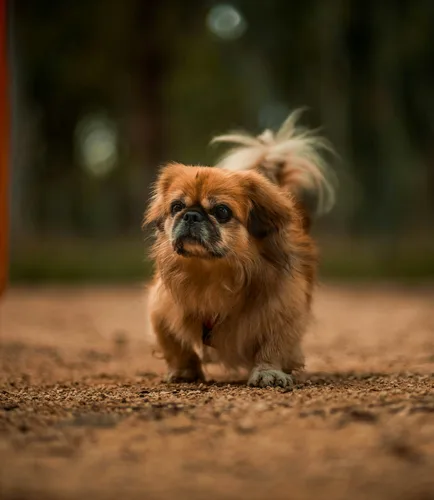
- Pekingesecalmer, barks more
- Pomeraniancalmer, lighter
- Shih Tzucalmer, barks more
- Tibetan Terriercalmer, heavier
- Bolognesecalmer, lighter
Compare Bichon Frise with another breed
Which other breeds might suit me?
Visit the Breeds page: with the filters and the quiz there you can get to know the breeds better.