Origins
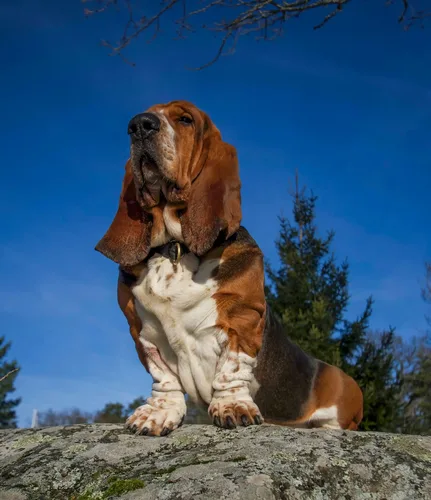
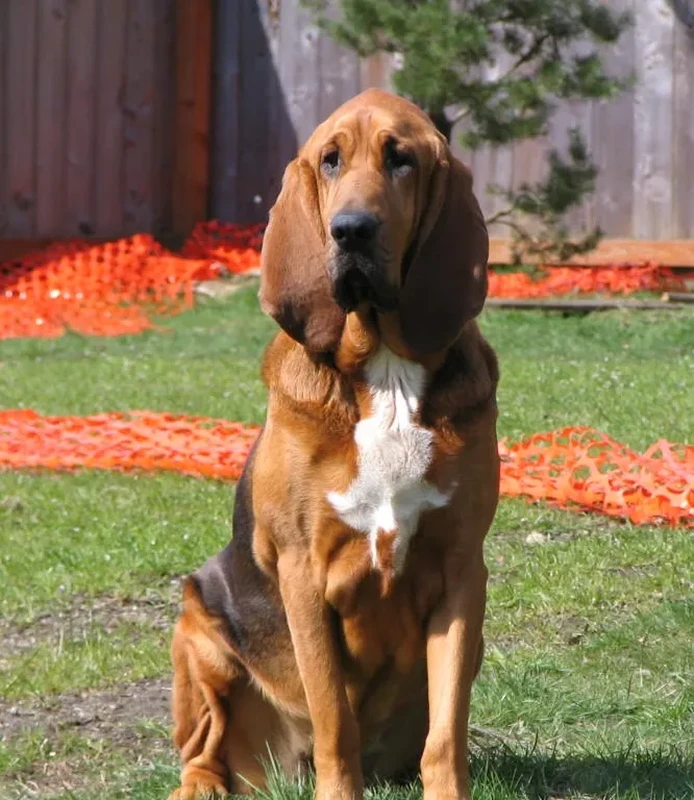
The Bloodhound is one of the oldest scent hounds, with ancestors described in Europe as early as the seventh century and refined by monks in Belgium and France. The name refers to blooded, pure-bred stock rather than to blood itself. For centuries it has been used to trail deer, boar and, later, people, and its evidence has been accepted in courts. The breed was standardised in Britain in 1897 and is still the reference for scent-tracking work worldwide.
Lifestyle
Walks: One and a half to two hours a day, with time to sniff. Always keep it on a lead or in a secure area, because it follows a scent and is deaf to calls.
Being alone: It does not like being left alone and may bay, chew or dig. Company and exercise help.
At home: A calm, gentle housemate that loves to lie by the family. It drools and shakes, so keep towels near.
Children: Kind and patient with children, but its size and strength mean play with small kids should be watched. Teach children to be gentle with its ears and face, and keep towels near, as drool ends up on everyone.
Other animals: Usually friendly with other dogs. Cats and pets may trigger the chase, so introduce them carefully.
Play and activities: Tracking, scent games and long sniffing walks are its favourite activity. Training is slow and needs patience and treats.
Daily routine: Walks in the morning and evening, and a long rest between. Meals, walks and rest at regular times keep it calm, and a firm, soft bed helps its joints.
Care essentials
Practical advice, not a medical opinion. For any health question, ask your vet.
Coat: Brush the short coat once a week.
Ears, paws and teeth: Once a week, wipe the folds on the muzzle and wash the long ears: dirt and moisture collect in them. A Bloodhound drools a lot, so keep a towel handy and wipe the muzzle after eating and drinking.
Worth knowing: A soft bed will help protect the elbows and chest.
Stomach: Large deep-chested dogs can suffer from bloat (gastric torsion). Feed small portions and avoid active play right after meals; a swollen, hard belly, restlessness and unproductive retching are a reason to go to the vet urgently.
More about everyday health in the dog health & care guide.
Fun facts
The name Bloodhound does not mean a hound that seeks blood, but a hound of "noble blood": it stressed the purity of the breed's descent.
The ancestors of the modern Bloodhound were bred for centuries by the monks of the Abbey of Saint-Hubert in the Ardennes. That is why the breed is still called the Saint Hubert Hound in some countries.
In the United States, the tracking results of specially trained and certified Bloodhounds have in some cases been accepted as evidence in court. Their sense of smell lets them tell a person's individual scent apart and follow it over long distances.
FAQ
This breed is a great fit if you
- Are patient and tolerant of drool
- Enjoy long walks and scent games
- Have a secure fence
- Want a gentle, friendly big dog
It may not be a fit if you
- Want a tidy house with no drool
- Want a dog that comes back immediately
- Live in a small flat
- Cannot give the dog company
Is it suitable for allergy sufferers?
Heavy shedding. No dog is completely hypoallergenic: allergens come from saliva, skin and dander, not only from hair. Reactions are individual, so spend time with the dog before you decide and talk to an allergist if you are unsure.
Which breeds are similar to Bloodhound?
Chosen from all groups: breeds of the same size, ordered by how closely their coat length, coat type and activity level match. The notes show how each breed differs from this one.
- Boerboelheavier, quieter
- Great Daneheavier, quieter
- Greyhoundlighter, quieter
- Kangal Shepherd Dogquieter
- Rottweilerquieter
Compare Bloodhound with another breed
Which other breeds might suit me?
Visit the Breeds page: with the filters and the quiz there you can get to know the breeds better.