
Summary
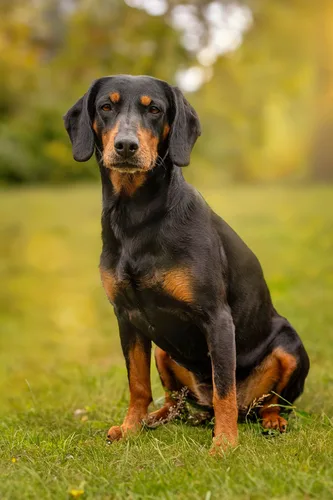
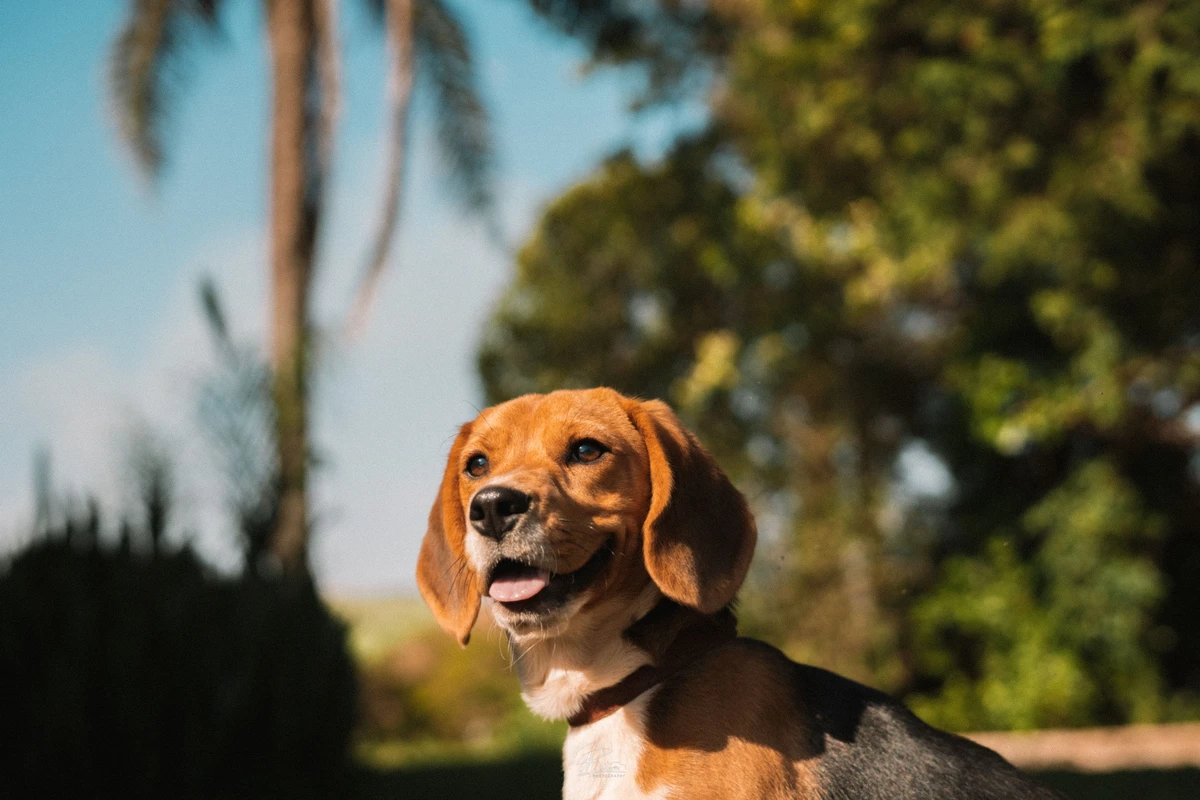
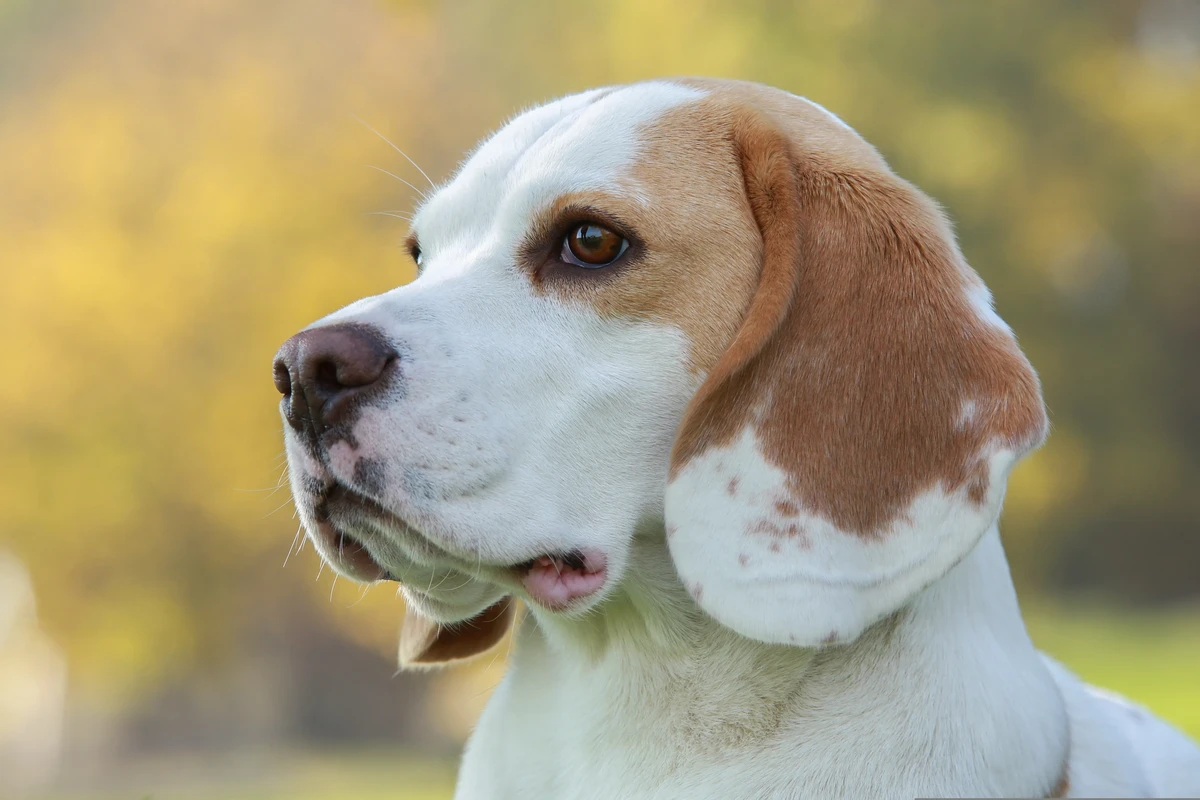
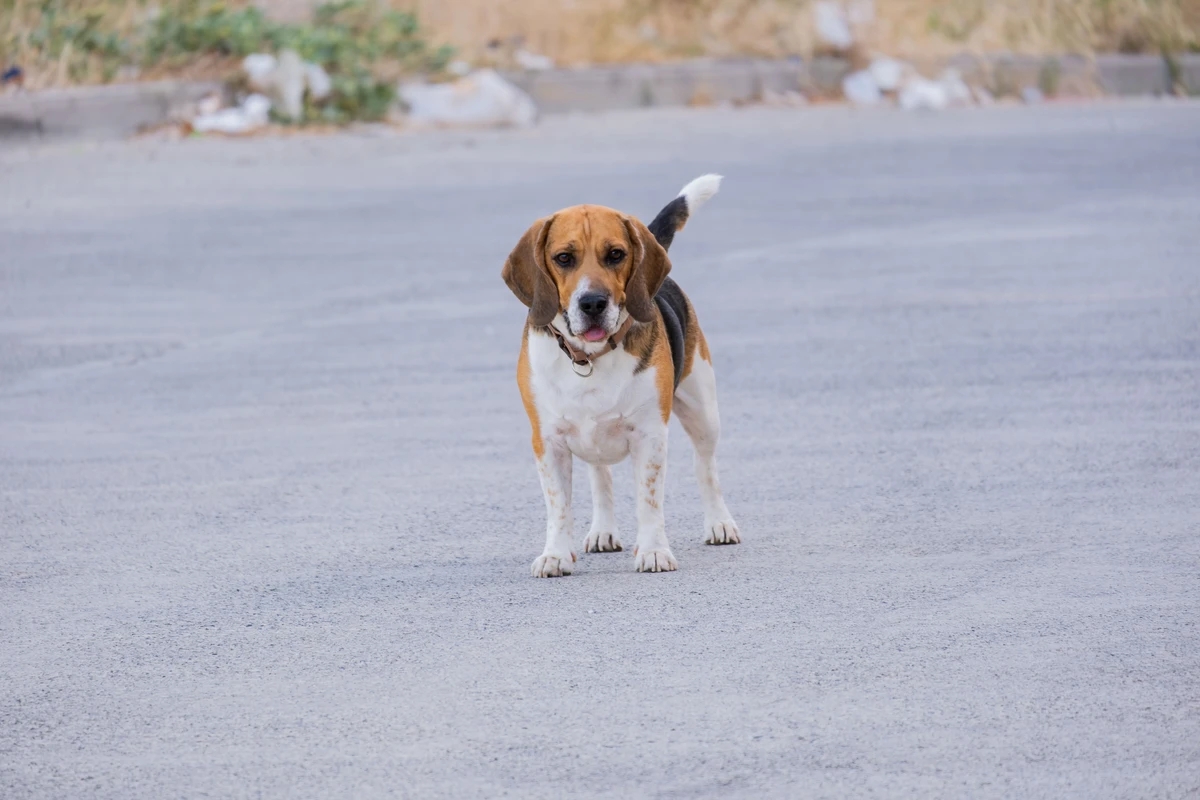
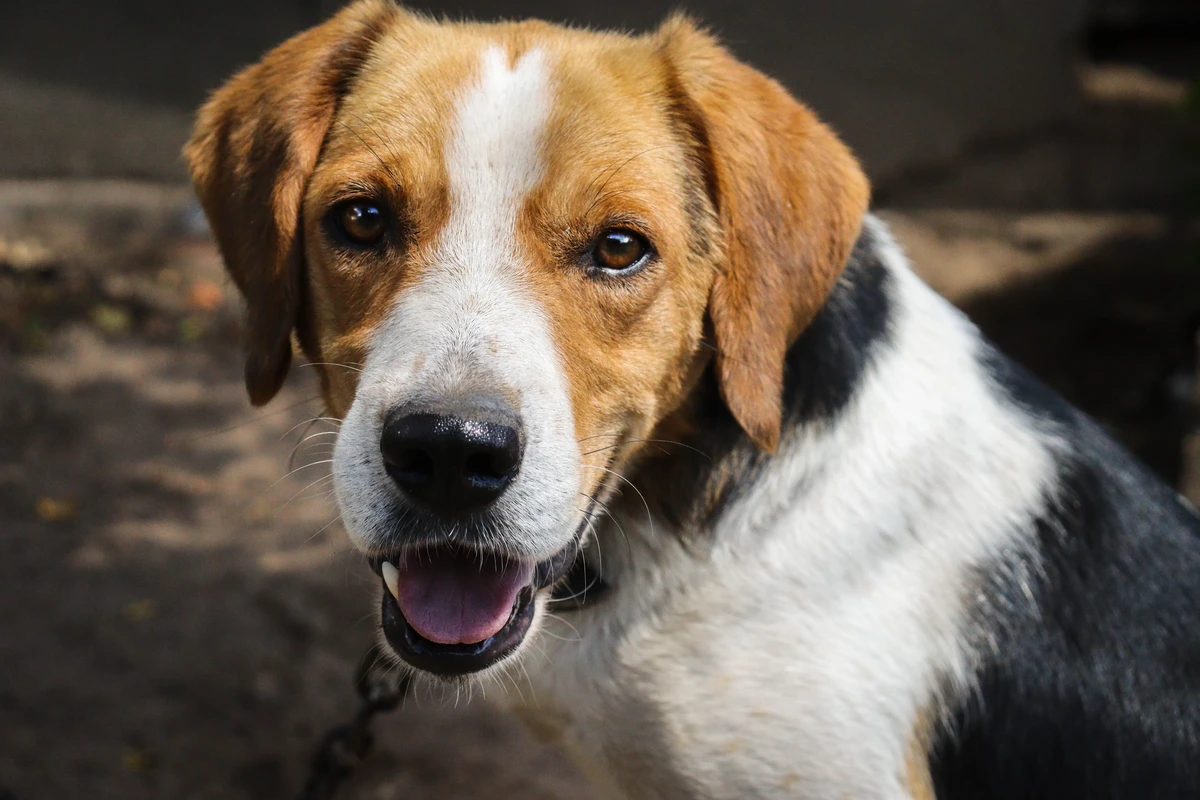
The Beagle is a sturdy, compact little scenthound with a merry temperament and a nose that rules its life. Bred in Britain to hunt hare on foot, it is bold, tireless and determined on a scent, and it comes in a wide range of hound colours — tricolour, lemon and white, red and white, black and white and more. Amiable, alert and even-tempered, it loves company, food and activity, and makes a cheerful family dog as long as its owner accepts that a Beagle follows its nose, not a whistle. It needs plenty of exercise, secure fencing and patient, reward-based training.
History & origin
The Beagle is said to have been bred down from the larger Foxhound to hunt with people on foot, preferably after the hare, and packs of Beagles have been used for centuries — very often organised by institutions, including colleges and schools. During the reigns of Henry VIII and Elizabeth I there were wire-haired Beagles, some small enough to be carried in a hunting-jacket pocket; size has grown over the years, though smaller «pocket Beagles» are still occasionally born. The modern breed was standardised in Britain in the nineteenth century, and the Beagle remains one of the world's most popular hounds — a working pack hound, a detection dog and a much-loved family pet.
Care
The Beagle's coat is short, dense and weatherproof, and easy to keep: a weekly rub-down with a hound glove removes loose hair, and the breed sheds steadily, more heavily in spring and autumn. Ears, which hang low and close to the cheeks, need regular checking and cleaning, and nails and paws should be checked after country walks. Beagles are food-driven and prone to weight gain, so meals should be measured and treats limited. This is an active hound with real stamina: it needs plenty of daily exercise and, ideally, scent games or a safe area to follow its nose. Training must be patient, consistent and reward-based — a Beagle is intelligent but independent and easily distracted by scent, and recall is the first thing to teach.
Conditions
The Beagle is a sociable pack hound that hates being left alone and thrives in a busy family home where someone is usually around. It is amiable and gentle, generally excellent with children and other dogs, and its merry nature makes it a cheerful companion. Because it follows scent above all else, it must never be let off the lead in the open without reliable recall, and the garden needs secure fencing. It suits a house with a garden better than a flat, though it can adapt if it gets long daily walks. It can be vocal — baying and howling are part of the breed — so neighbours matter. With exercise, company and kind, consistent training, it is a happy, hardy and affectionate companion.