Origins
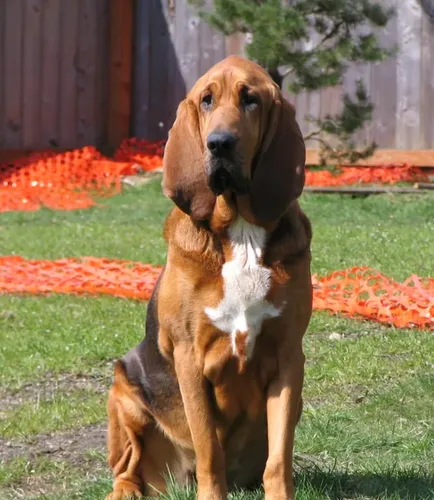
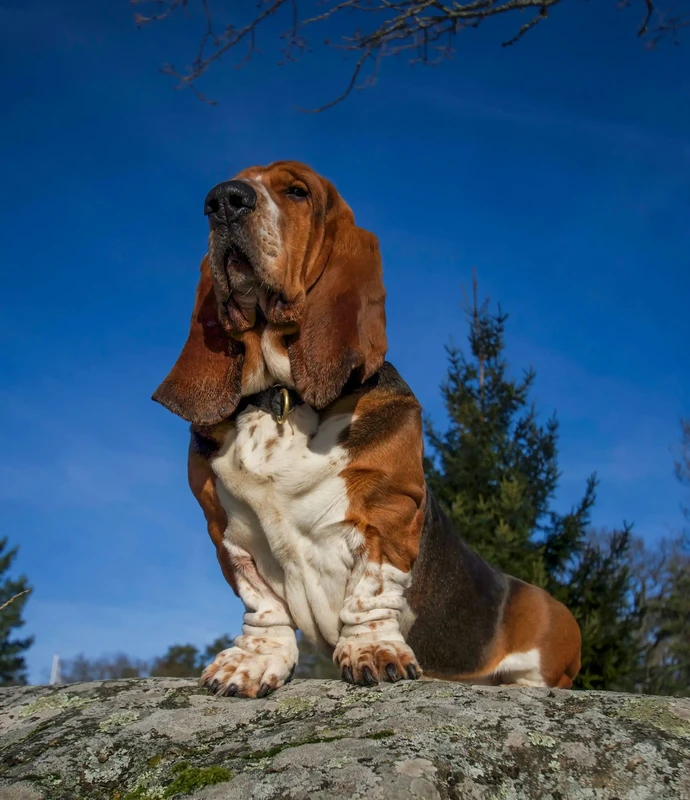
The Basset Hound descends from French scent hounds kept by abbeys and noble households for hunting rabbit and deer. The short-legged, slow-moving type appeared in France in the sixteenth century and was refined in the nineteenth, when hunters wanted a dog that could be followed on foot. British breeders imported the breed in 1866 and gave it its modern look. The Basset Hound was recognised in Britain in 1880 and became a famous advertising and family dog in the twentieth century.
Lifestyle
Walks: About an hour a day at its own pace, with plenty of time to sniff. Keep it on a lead or in a fenced area, because it follows a scent and may not come back.
Being alone: It does not like long hours alone and may bay or howl. A routine and company help.
At home: A relaxed, sociable housemate that loves to nap close to the family. Low to the ground, it is not suited to many stairs.
Children: Patient and good-natured with children, and usually very tolerant. Teach children to be gentle with its back and ears.
Other animals: Usually friendly with other dogs, as it is used to the pack, and often fine with cats it knows. Introduce new animals calmly and let it sniff them first, since it learns a lot through its nose.
Play and activities: Scent games, tracking and slow, steady walks. Training takes patience and food rewards.
Daily routine: A sniff-filled walk in the morning and evening and plenty of rest between. Keep meals at regular times and avoid long, hard exercise, since gentle and steady suits its long back best.
Care essentials
Practical advice, not a medical opinion. For any health question, ask your vet.
Coat: Once a week, brush with a rubber mitt and wipe the skin folds.
Ears, paws and teeth: Clean the long ears every week: moisture and dirt are trapped in them. It is easier to clean the folds and ears right after a walk, while the dog is calm.
Worth knowing: Wipe saliva and dirt from the lips with a damp wipe. Watch the weight: extra kilos put a load on the long back.
Stomach: Large deep-chested dogs can suffer from bloat (gastric torsion). Feed small portions and avoid active play right after meals; a swollen, hard belly, restlessness and unproductive retching are a reason to go to the vet urgently.
More about everyday health in the dog health & care guide.
Fun facts
The breed's name comes from the French word bas, meaning "low", which reflects its characteristic build.
A sad-eyed Basset Hound became the mascot of the American shoe brand Hush Puppies.
In its ability to follow a scent trail, the Basset Hound is second only to the Bloodhound. Its long ears and folds of skin help keep scents closer to the nose while it is tracking.
FAQ
This breed is a great fit if you
- Want a calm, friendly family dog
- Enjoy slow walks with plenty of sniffing
- Can be patient with training
- Are happy to clean ears and skin folds
It may not be a fit if you
- Want a dog that comes back at once when called
- Have an unfenced garden
- Dislike drooling or a doggy smell
- Want a dog for jogging or active sports
Is it suitable for allergy sufferers?
Heavy shedding. No dog is completely hypoallergenic: allergens come from saliva, skin and dander, not only from hair. Reactions are individual, so spend time with the dog before you decide and talk to an allergist if you are unsure.
Which breeds are similar to Basset Hound?
Chosen from all groups: breeds of the same size, ordered by how closely their coat length, coat type and activity level match. The notes show how each breed differs from this one.
- Bulldogquieter
- American Pit Bull Terriermore energetic, lighter
- American Staffordshire Terriermore energetic, quieter
- Azawakhmore energetic, lighter
- Bull Terriermore energetic
Compare Basset Hound with another breed
Which other breeds might suit me?
Visit the Breeds page: with the filters and the quiz there you can get to know the breeds better.