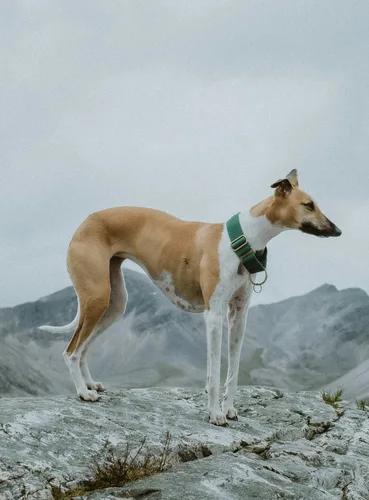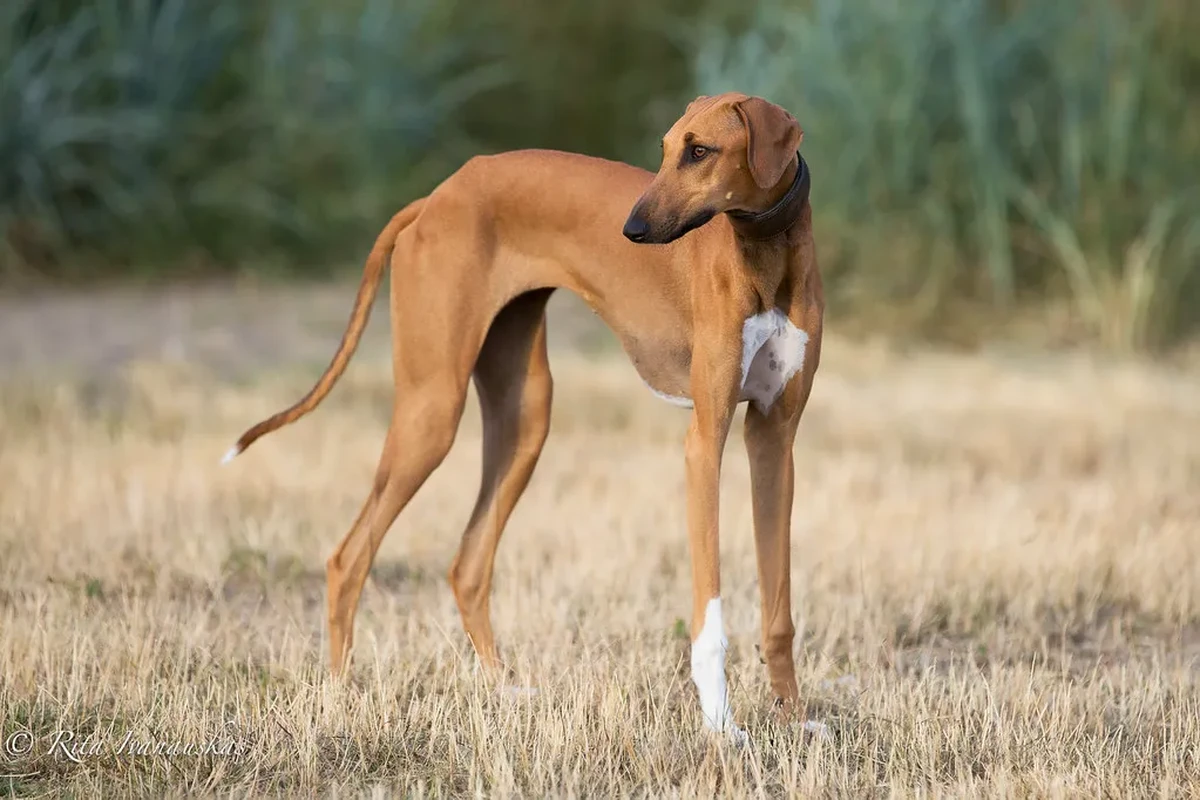
Origins
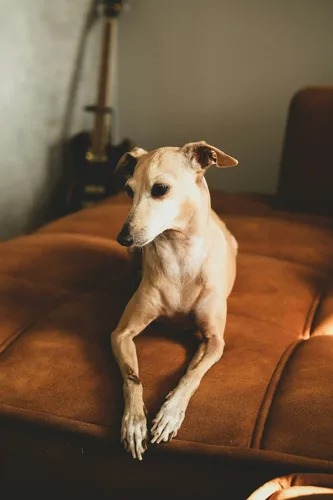
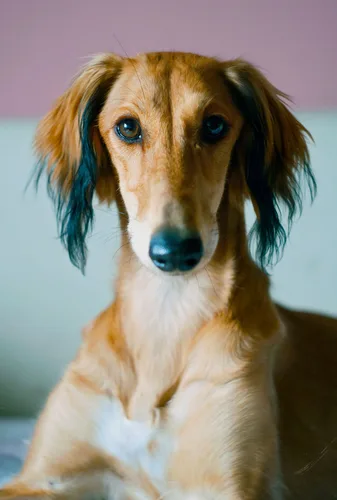
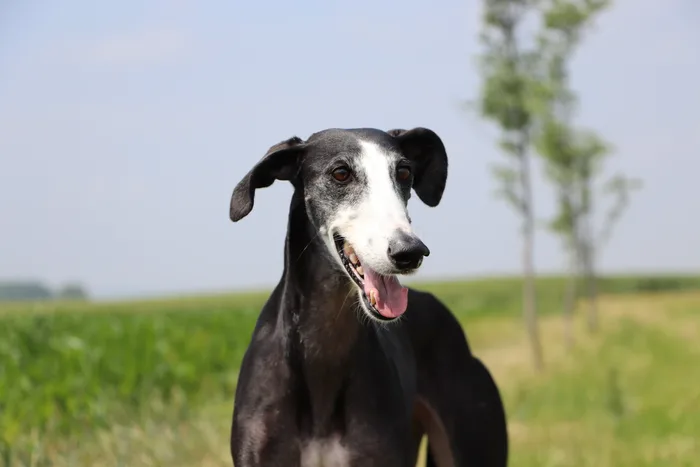
The Azawakh is a sighthound of the Sahel, bred by the Tuareg and other nomadic peoples of Mali, Niger and Burkina Faso. It hunts gazelle and hare across open desert and guards the camp, living closely with people. The breed is named after the Azawakh valley, and its lean shape is adapted to heat and long distances. The first Azawakhs reached Europe in the 1970s, and the breed was recognised internationally in 1981. Its FCI standard is maintained by France, not by the country the breed comes from.
Lifestyle
Walks: One and a half to two hours a day with a chance to sprint in a fully enclosed area. On walks keep it on a lead.
Being alone: It bonds closely with its family and does not like being left alone for long hours. Build up time alone gradually, because an Azawakh left alone for long days can become anxious and unhappy.
At home: Quiet, clean and calm indoors. It likes a soft bed in a warm spot.
Children: Gentle with its own family's children, but reserved with visitors. It dislikes rough handling.
Other animals: Often reserved with unfamiliar dogs, and small animals may trigger its chase. Early socialisation is important.
Play and activities: Sprinting, lure coursing and long walks. Training needs patience, short sessions and rewards.
Daily routine: A good run morning and evening and long rests between. Two good runs a day, a warm bed and its people close by make a settled day for an Azawakh.
Care essentials
Practical advice, not a medical opinion. For any health question, ask your vet.
Coat: The short, fine coat only needs an occasional rub with a soft brush or cloth. Bathe rarely and dry off at once.
Ears, paws and teeth: It is also important to watch the condition of the ears, teeth and claws.
Worth knowing: The Azawakh hardly needs complicated grooming, but its skin should be checked regularly: with so little body fat, it is especially vulnerable to scratches and cold. In cool weather the dog may need warm clothes. A soft bed will help protect the thin skin on the elbows and flanks.
Anesthesia: Sighthounds have little body fat, so they are sensitive to some anaesthetic drugs. Before an operation or any procedure with sedation, remind the vet that you have a sighthound.
More about everyday health in the dog health & care guide.
Fun facts
The Azawakh took shape in the arid Sahel region, where the Tuareg and other nomadic peoples used it to guard camps and hunt gazelles.
At a height of about 74 cm, an Azawakh may weigh only about 20 kg. Its lean build and tight-fitting skin make the outline of the muscles easy to see.
On long journeys, nomads could carry Azawakhs on camels, across the saddle. The dogs were lowered to the ground when quarry was spotted.
FAQ
This breed is a great fit if you
- Want an athletic, loyal and watchful dog
- Have a very high secure fence
- Have experience with sighthounds
- Can give early socialisation
It may not be a fit if you
- Want a dog that welcomes strangers
- Have small pets or cats
- Live in a cold climate and do not want coats
- Are a first-time owner
Is it suitable for allergy sufferers?
Noticeable shedding. No dog is completely hypoallergenic: allergens come from saliva, skin and dander, not only from hair. Reactions are individual, so spend time with the dog before you decide and talk to an allergist if you are unsure.
Which breeds are similar to Azawakh?
Chosen from all groups: breeds of the same size, ordered by how closely their coat length, coat type and activity level match. The notes show how each breed differs from this one.
- Shar Peivery similar overall
- Xoloitzcuintlivery similar overall
- American Pit Bull Terriermore energetic
- American Staffordshire Terriermore energetic
- Basset Houndcalmer, heavier
Compare Azawakh with another breed
Which other breeds might suit me?
Visit the Breeds page: with the filters and the quiz there you can get to know the breeds better.