Summary
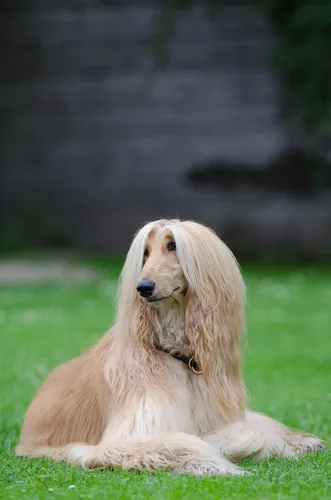
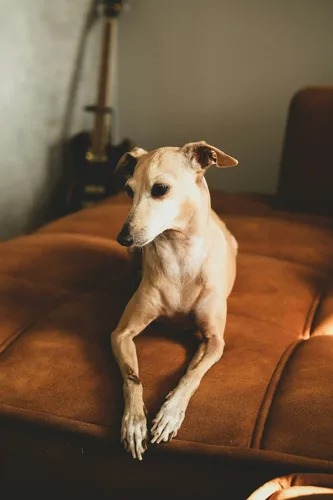
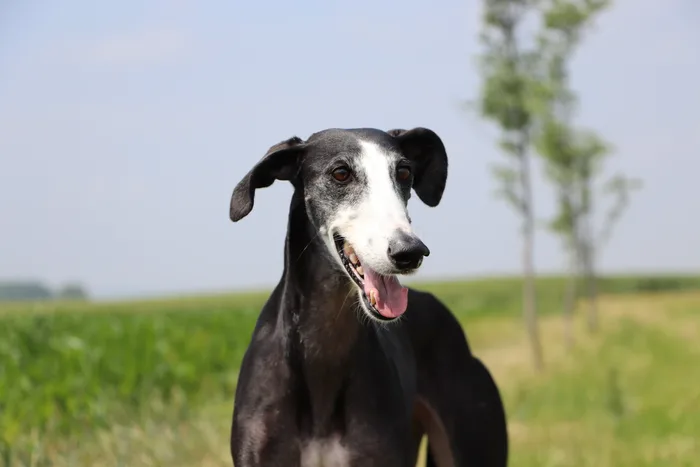
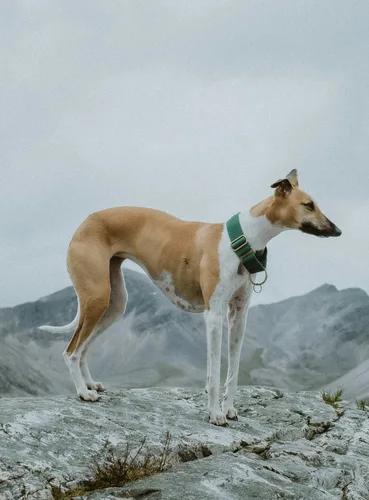
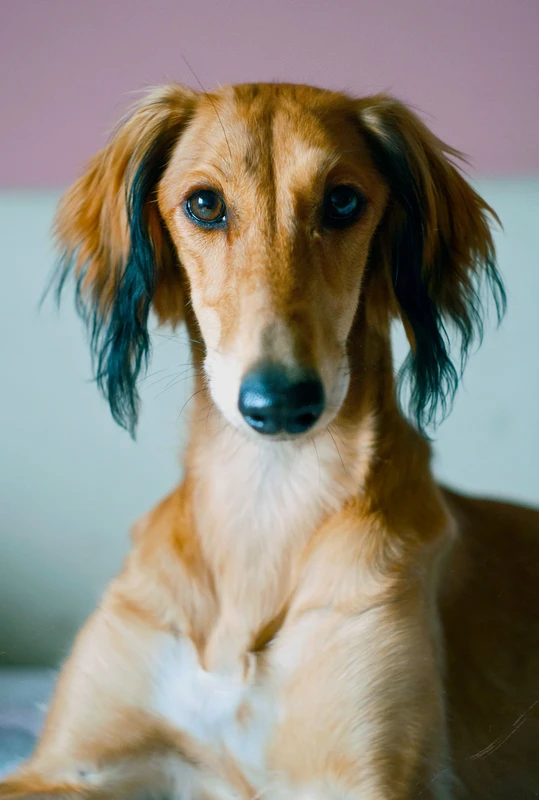
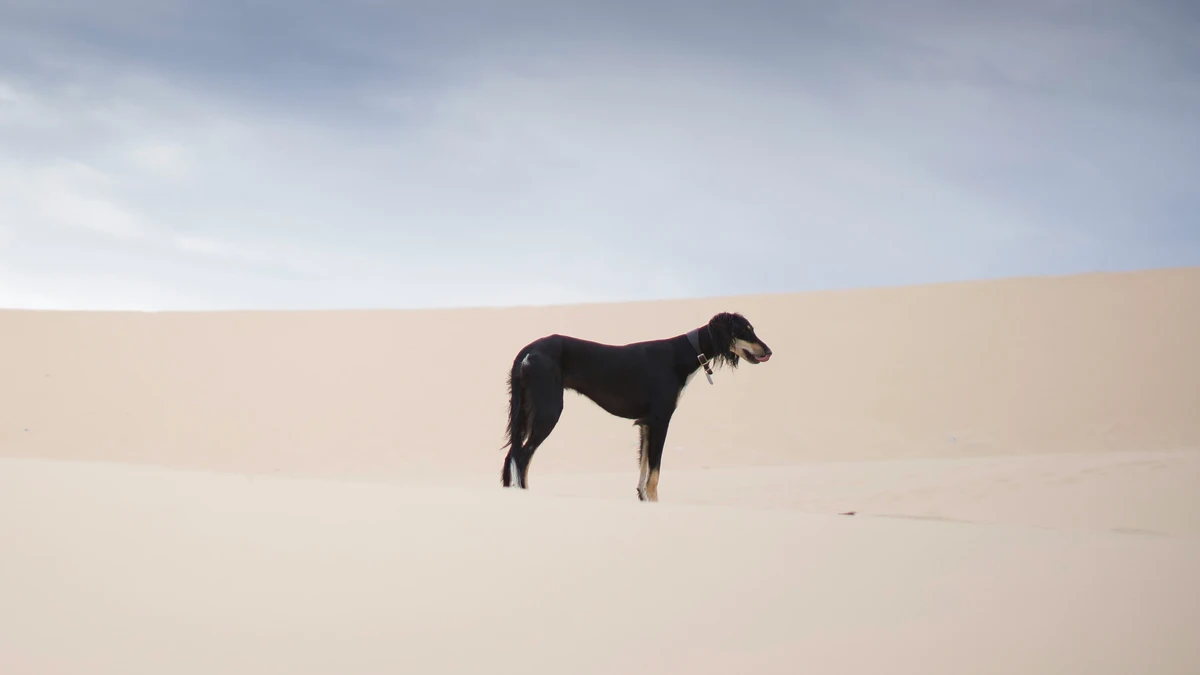
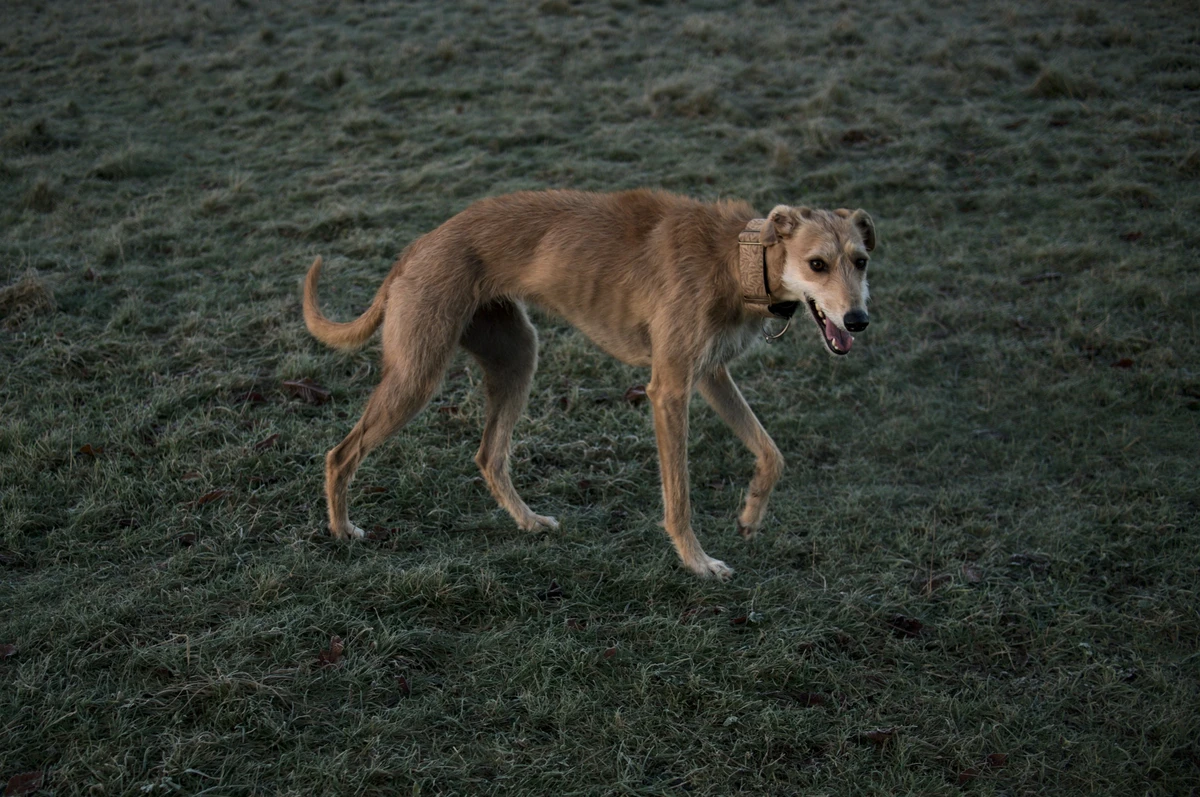
The Saluki, also called the Persian Greyhound, is one of the oldest dog breeds, developed in the Middle East to course hare and gazelle across open desert. Elegant and lightly built, with a fine coat that is either smooth or fringed, it moves with quiet grace and remarkable endurance. Reserved and dignified with strangers yet deeply attached to its family, the Saluki is calm indoors but in real need of daily exercise. Independent and sensitive, it does not work for praise, but rewards patient owners with steady, affectionate company.
History & origin
The Saluki is among the oldest known domesticated dog breeds, with roots stretching back more than four thousand years to the Middle East, where Bedouin and desert tribes bred them to run down hare, gazelle and other game over long distances. Revered as companions of royalty and called the «royal dog of Egypt», Salukis lived in palaces and hunted alongside falcons. The breed reached Europe in the nineteenth century and was recognised by the Kennel Club in 1923. Salukis keep their ancient hunting instinct and their quiet, faithful devotion to their people.
Care
The Saluki has a fine, close coat that is easy to keep in order: a weekly brush with a soft bristle or hound glove removes loose hair and keeps the feathering tidy, and the smooth variety needs even less. They are a clean, low-odour breed that rarely needs bathing. Because of their thin skin and low body fat, Salukis feel the cold and often appreciate a coat in winter. Their long, efficient stride means they need a good daily walk and, crucially, secure off-leash running to stay sound and content. Training should be gentle and patient: the Saluki is sensitive, independent and unmoved by harsh correction, so calm consistency and early socialisation work far better than pressure.
Conditions
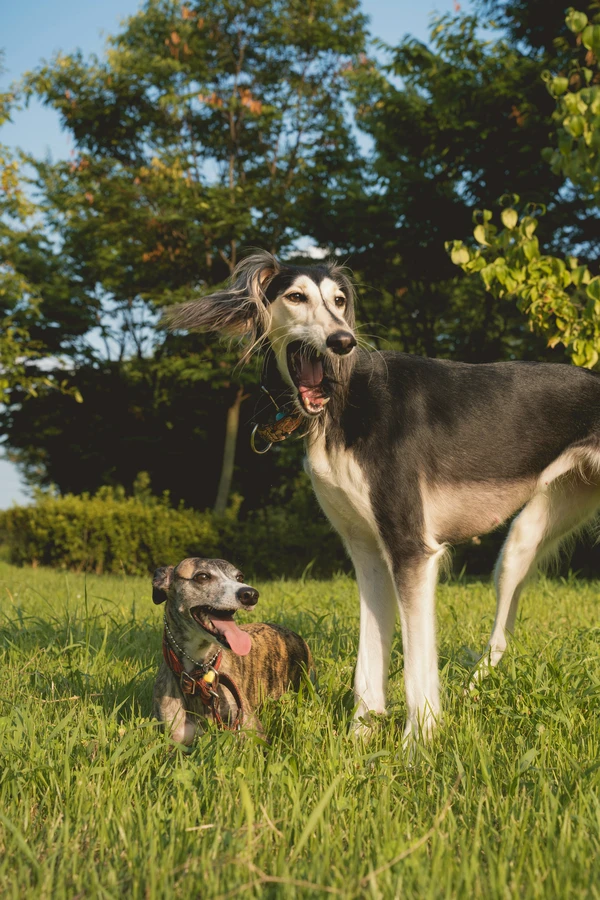
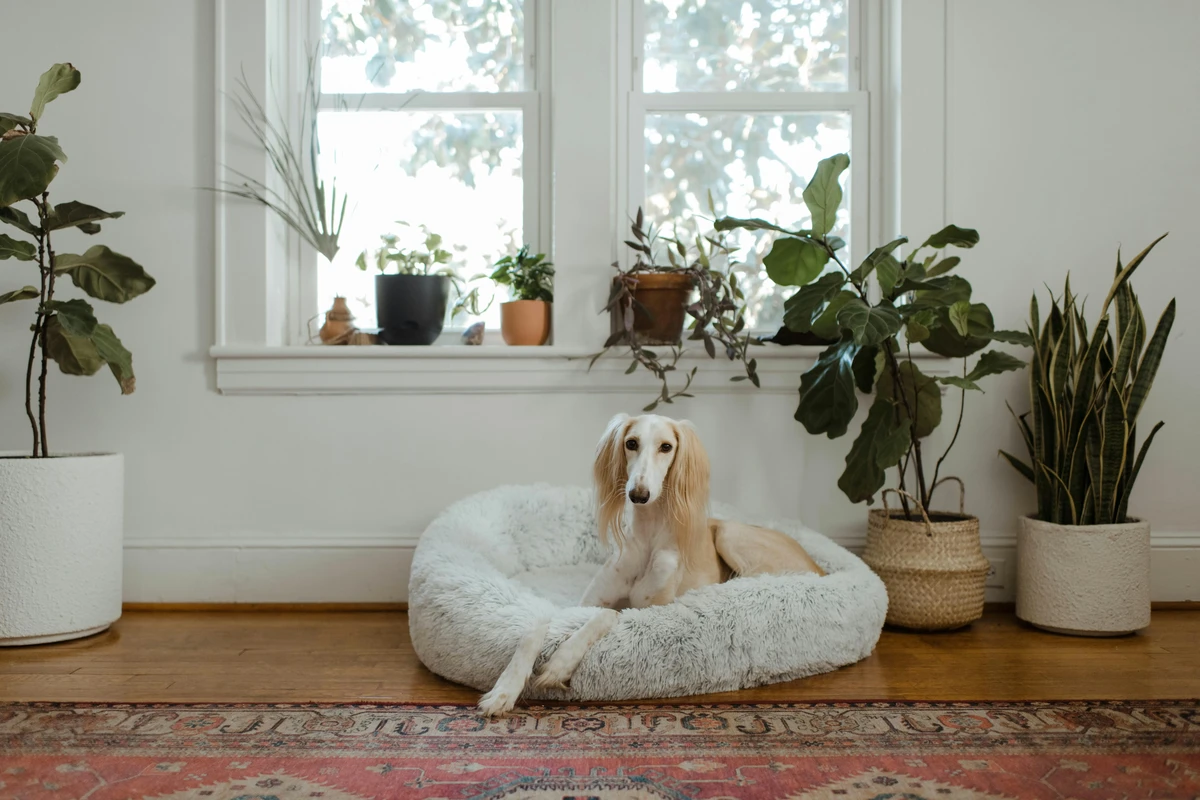
The Saluki thrives with active owners who can offer daily exercise and a safe, enclosed place to run; without it they can become restless. They suit a calm home and are quiet, tidy housemates, but they are delicate and do not tolerate rough handling, so they suit older, respectful children better than toddlers. Reserved with strangers and loyal to their family, they can live with other dogs, though their hunting instinct means small pets should be introduced with care. Their thin coat and sensitive nature make them happiest in a gentle, predictable household where they are treated as family.