
Summary
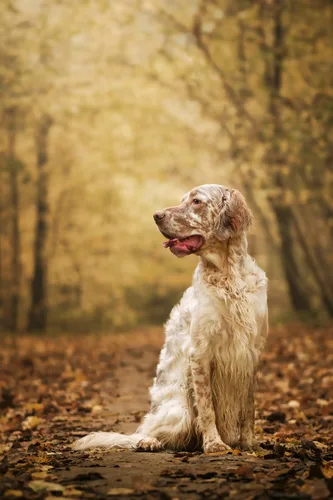
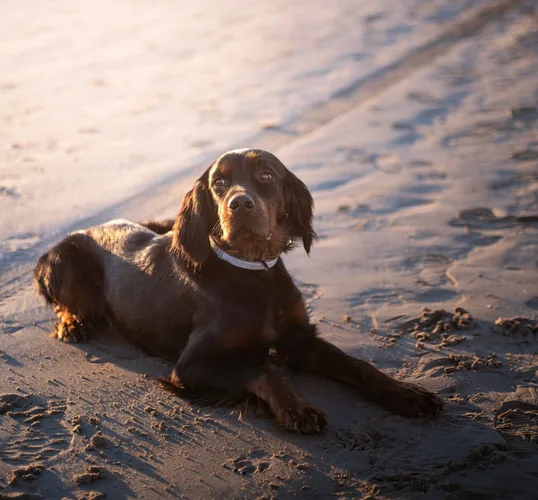
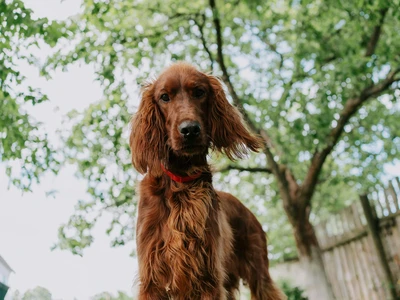
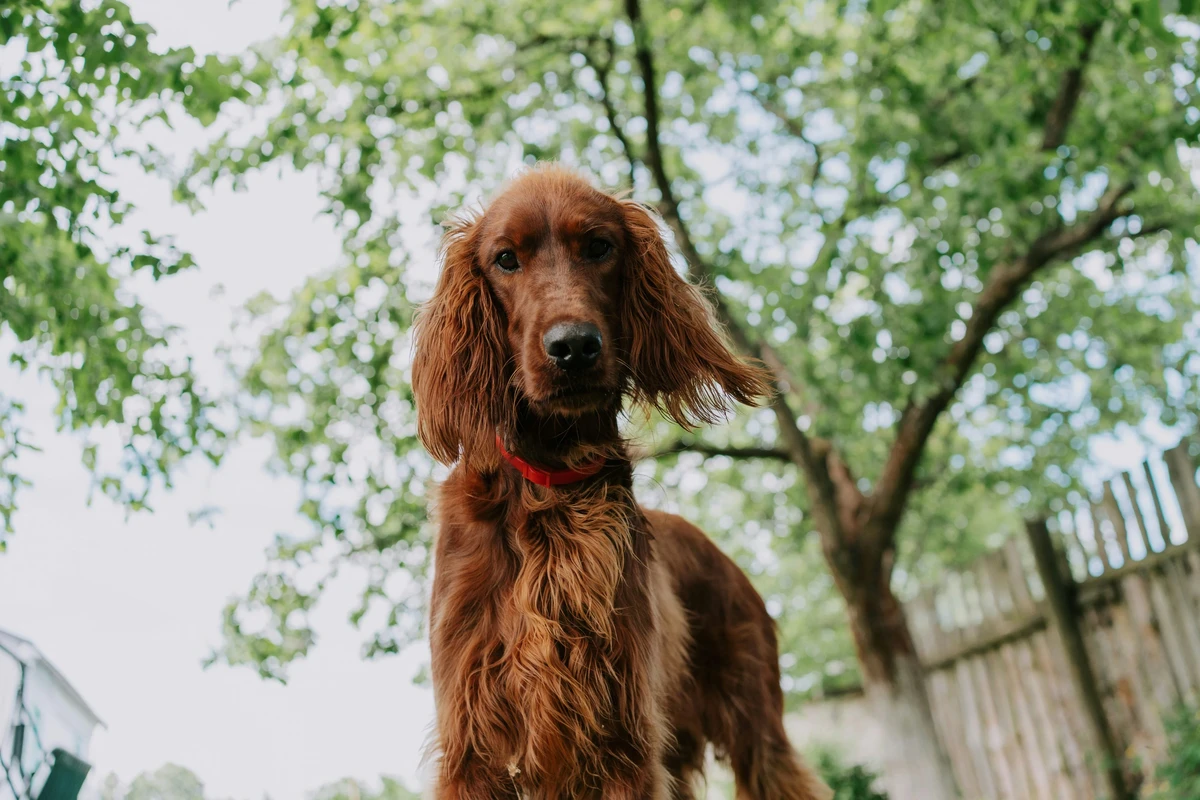
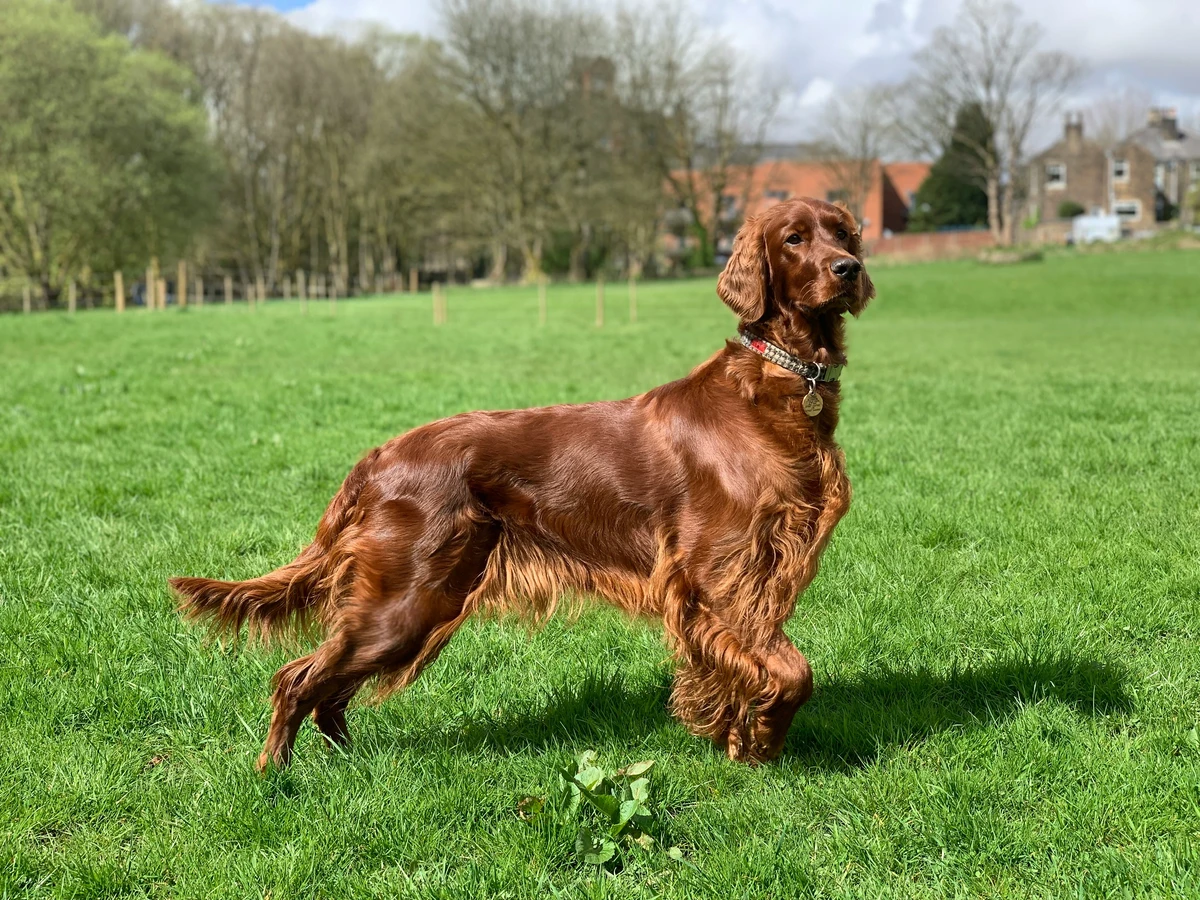
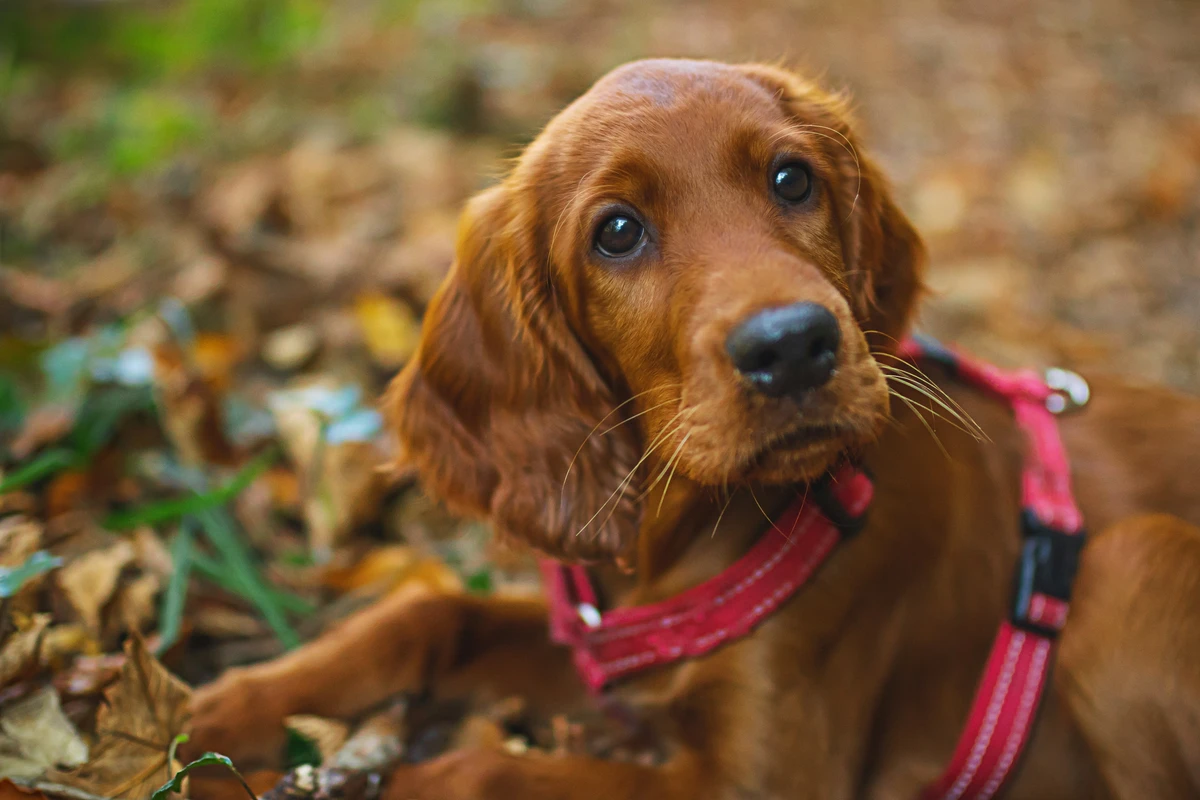
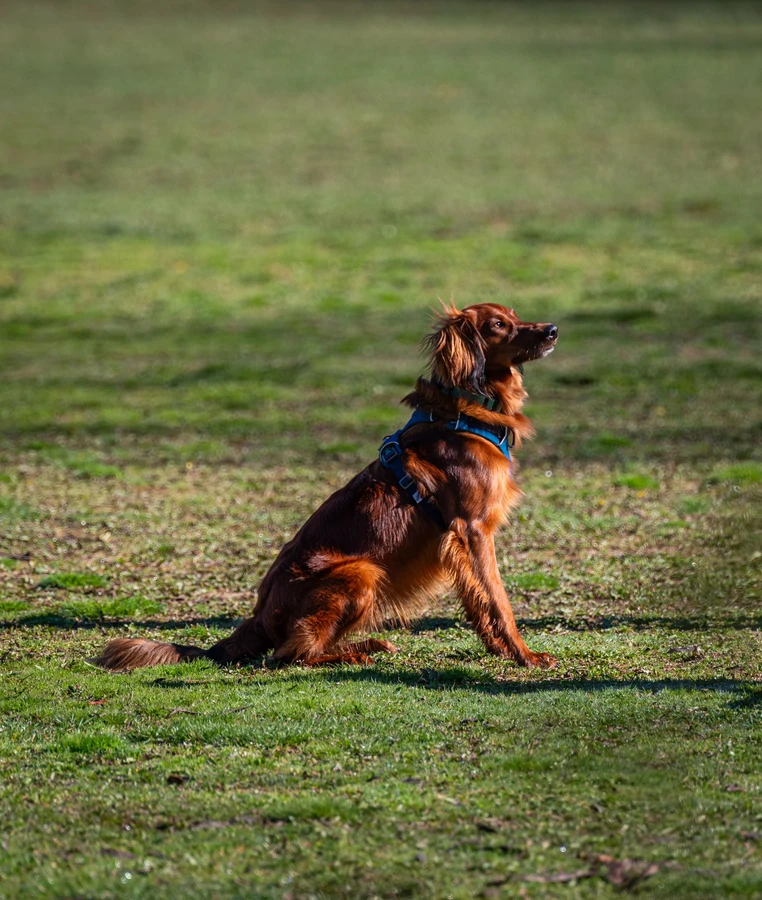
The Irish Red Setter, often simply called the Irish Setter, is a striking sporting dog with a rich, glossy chestnut-red coat and a friendly, exuberant nature. Bred to point and trail game, it pairs keen senses with a warm, people-loving personality. Irish Setters are intelligent and affectionate but slow to mature, keeping a playful, puppyish energy well into adulthood. They thrive on company and activity, and their gentle, joyful temperament makes them wonderful family companions for an active home.
History & origin
The Irish Red Setter took shape in Ireland over the eighteenth and nineteenth centuries, when local spaniels and pointers were crossed to produce a fast, stylish gundog able to range across the Irish countryside and point game. The solid red coat was fixed in the nineteenth century, and enthusiasts such as Captain Graham of Glenaulin refined the breed into the elegant setter known today. Recognised by the Kennel Club in the late 1800s, the Irish Setter grew popular both as a working gun dog and as a devoted family companion, beloved for its fiery coat and joyful spirit.
Care
The Irish Red Setter has a silky, medium-length coat that is beautiful but needs steady care: brushing two or three times a week keeps the feathering free of tangles and glossy, and the breed moults seasonally. An occasional bath and a neat trim of the feathering and ears keep them looking their best. Setters are active and need plenty of exercise — a daily run or long walk plus games — to stay happy and out of mischief. They are intelligent and eager to please, so positive, consistent training from a young age works well; their puppyish enthusiasm means early socialisation and patience matter.
Conditions
The Irish Red Setter is at its best with an active family that can give it plenty of exercise, space and company. They are affectionate, gentle and famously good with children, making wonderful family pets, but their high energy and slow maturity call for patient owners and room to play. They dislike being left alone for long and can grow bored or destructive without enough stimulation. With early socialisation they get along with other dogs, and their friendly, outgoing nature makes them a joy in an involved, outdoorsy household.