Summary
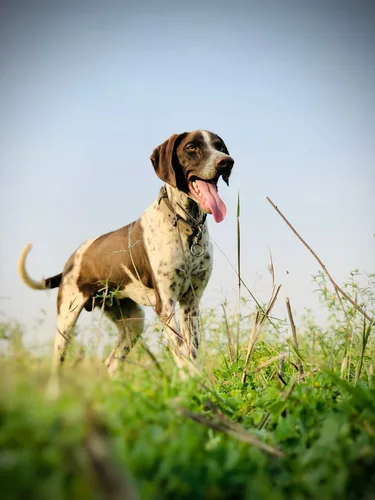
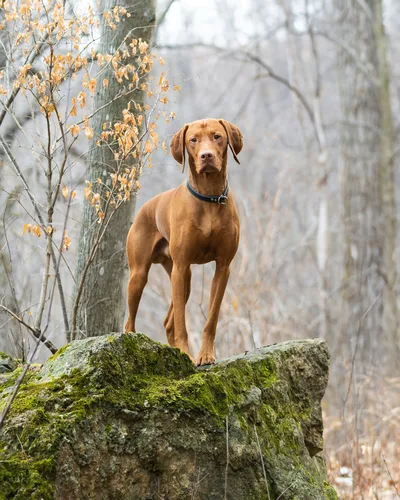
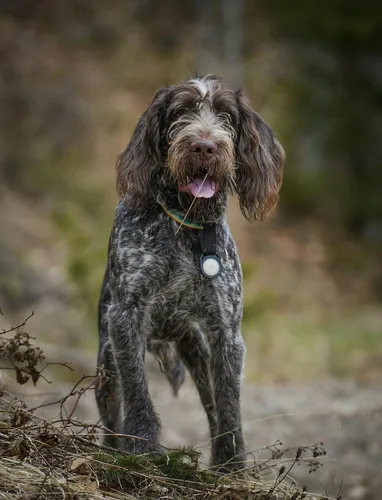
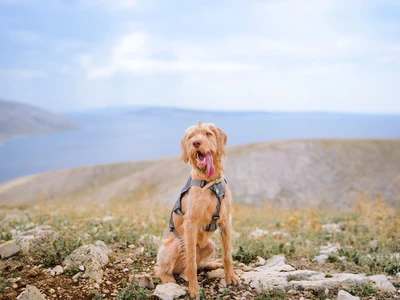
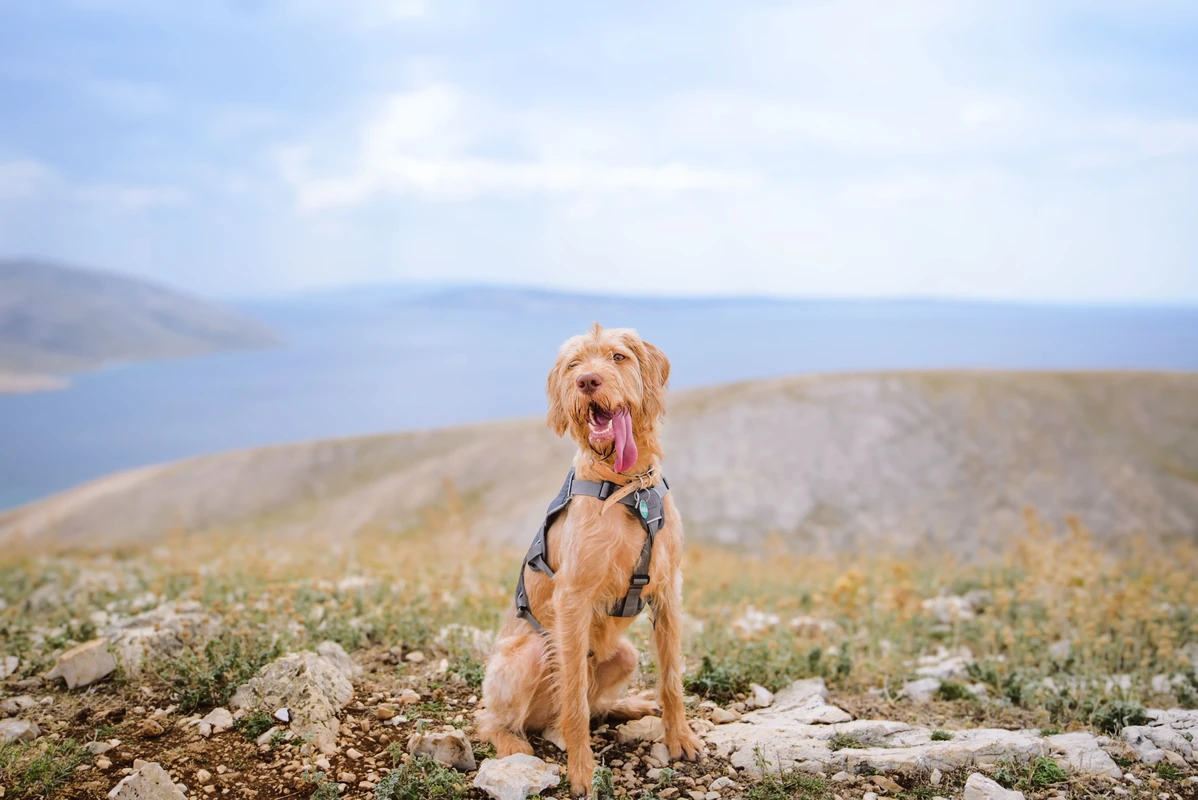
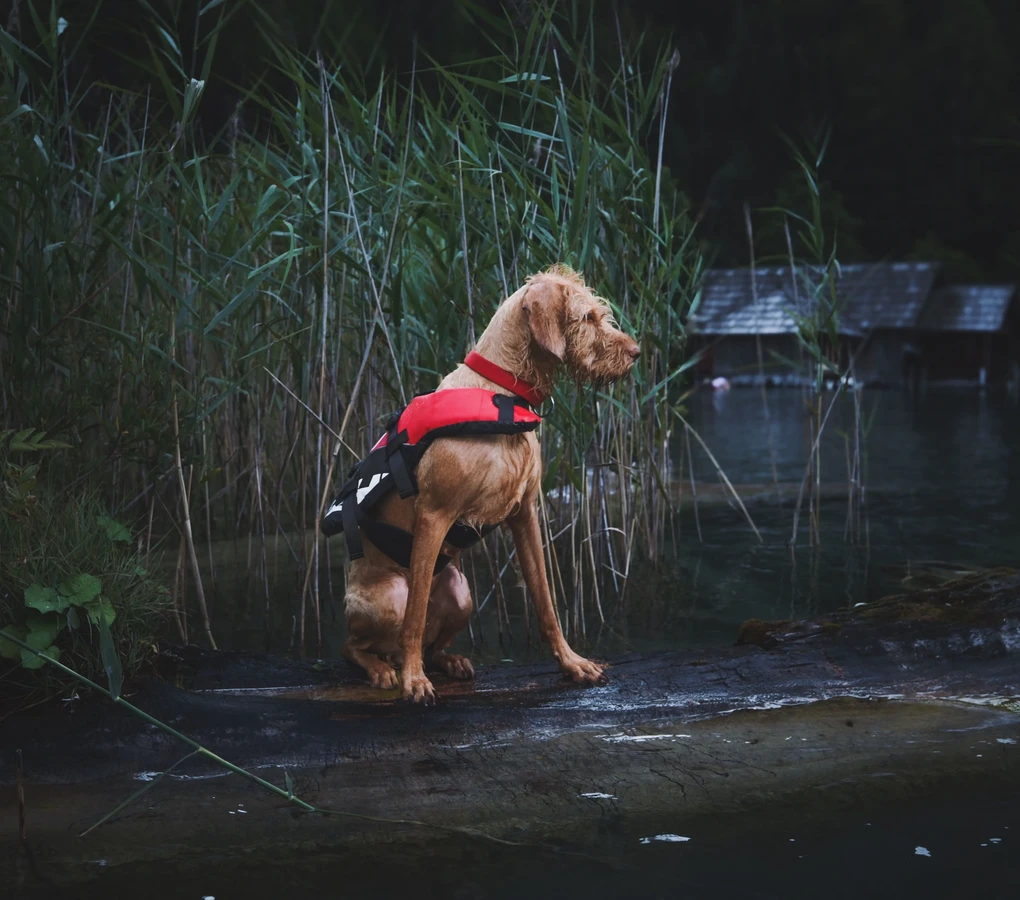
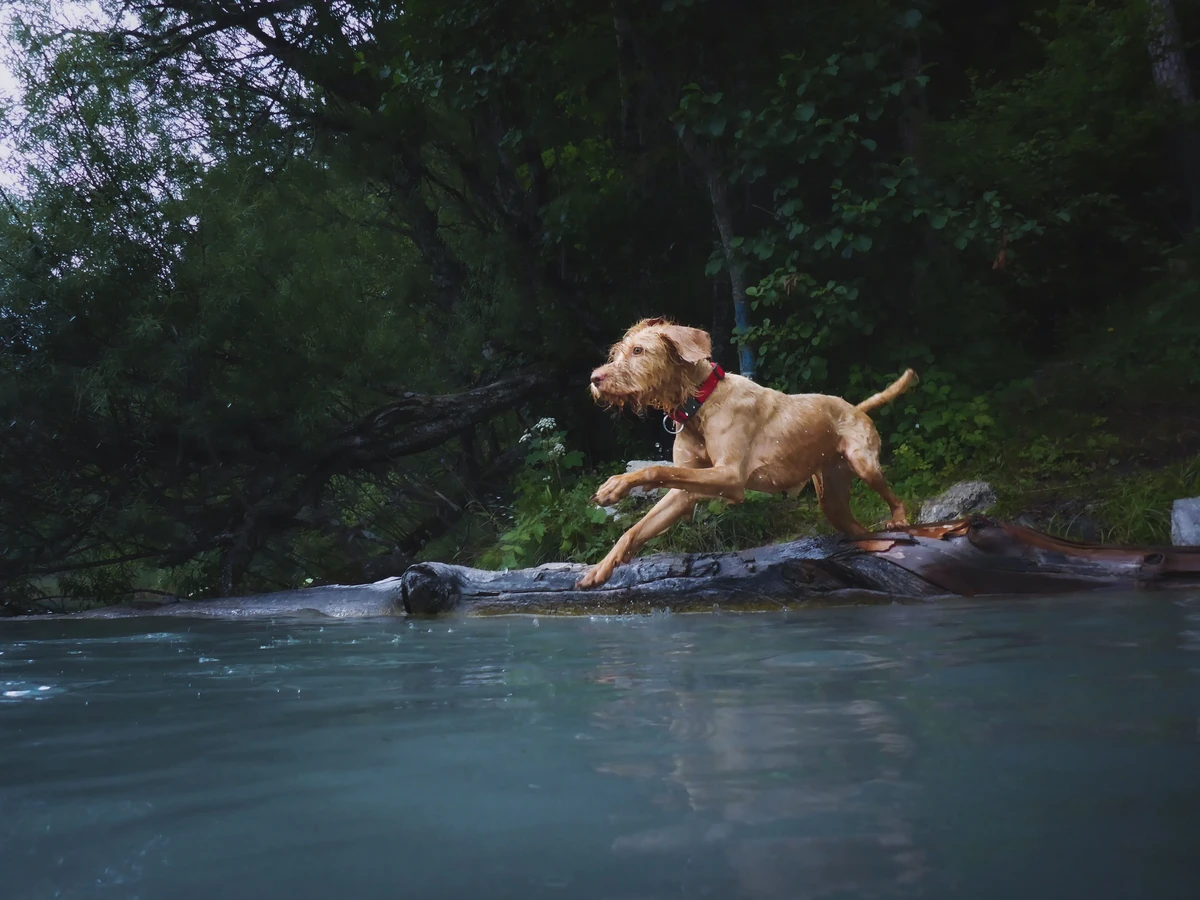
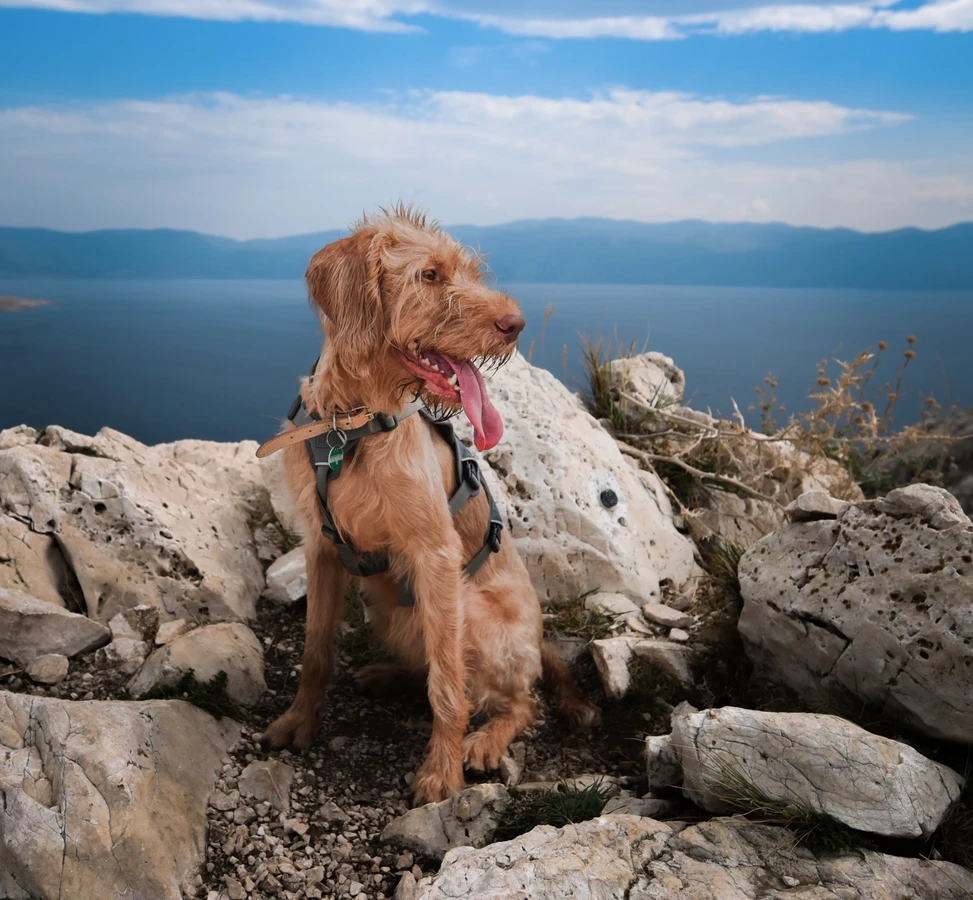
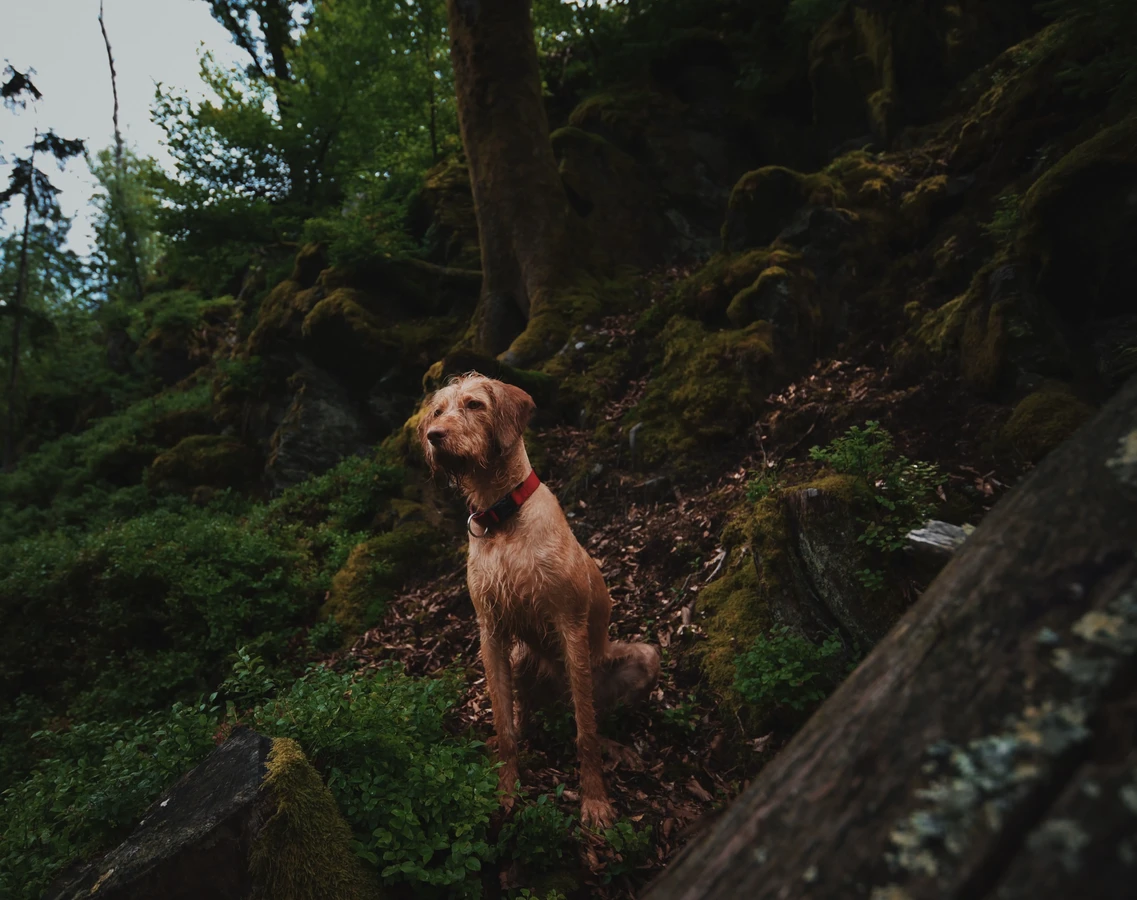
The Hungarian Wire-Haired Pointer — the wirehaired vizsla — is a versatile hunting dog built for field, forest and water: a strong, lean russet-gold dog with a harsh, close-lying wire coat and a dense, water-repellent undercoat. Slightly more robust and heavier-boned than the smooth vizsla, it is affectionate, intelligent and self-confident, keeps close contact with its handler, works with a good nose and a staunch point, and takes readily to retrieving and swimming. It is easily trained but cannot bear rough treatment, and it needs real work or sport to be calm at home.
History & origin
The wirehaired vizsla was developed in Hungary in the 1930s, when hunters wanted a vizsla that could work in dense cover, cold water and rough terrain as well as on the open puszta. Breeders crossed the smooth vizsla with the German Wirehaired Pointer and, according to the generally accepted account, with the Pudelpointer, then selected for a harsh coat, a strong nose and a staunch point while keeping the vizsla's colour and temperament. The breed was recognised in Hungary in the 1940s, received its own FCI standard in 2000, and has since spread through Europe and North America, where it is valued as an all-round gundog and a steady family companion. It remains a rare breed compared with its smooth-coated relative.
Care
The harsh wire coat is surprisingly easy: brush it once or twice a week, strip or trim it two or three times a year to keep the texture and colour, and check the beard and leg furnishings after every outing for burrs and mud. The dense undercoat sheds during the seasonal moult, so those weeks need daily attention. Bathe rarely, keep the ears dry and clean after water work, and check the paws for cuts. This is a working gundog: it needs an hour or more of real activity every day — running, swimming, scent games, retrieving — and it settles far better in the house when its nose and brain have been used. Train with patience and reward: the breed is willing and quick, but sensitive to harsh handling.
Conditions
The wirehaired vizsla is happiest with active owners who can give it daily outdoor work — hunters, runners, people who spend weekends in the field. It is affectionate and people-oriented, dislikes being kennelled alone or left for long hours, and usually lives well with children and other dogs. A house with a secure garden suits it much better than a flat, and it needs more than a short walk around the block. Its coat copes with cold, wet and rough cover, but it has little fat and feels the cold when wet, so a warm dry place to rest is essential. Expect a close, busy companion that wants to be with you and to have a job — not a decorative dog for the sofa.