Origins
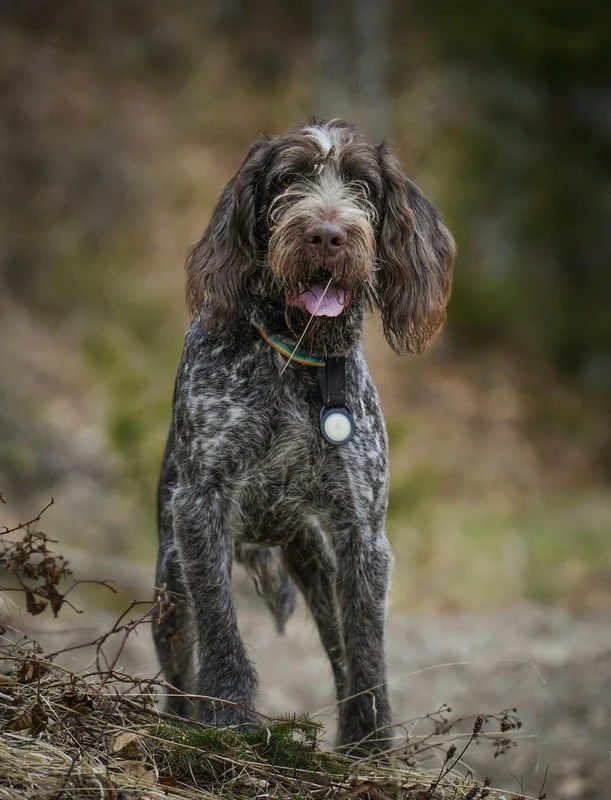
The Italian Spinone is a rough-coated gundog from Piedmont and Lombardy, where it has worked for centuries in the fields and marshes of northern Italy. It hunts slowly and close, pointing and retrieving both on land and in water, and it was historically used in falconry. The breed was standardised in Italy in 1950, when the club was founded to save it from extinction after the war. It is still a rare but valued gundog and a gentle family companion.
Lifestyle
Walks: An hour and a half a day at a steady trot or walk. It is not a sprinter but loves the countryside.
Being alone: It bonds closely with its family and does not like being left alone for long hours. Build up time alone gradually and leave it with a chew, because a lonely Spinone is a sad and sometimes noisy one.
At home: A calm and affectionate housemate that likes to lie near its family. Keep towels near, as the beard drips.
Children: Kind, patient and tolerant with children, though its size means play with small kids should be watched. Teach children to be gentle and never to pull on its beard, and watch play with small kids, since a big dog can knock them over by accident.
Other animals: Typically friendly with dogs and other pets, and usually calmer than many gundogs. Early socialisation helps it stay relaxed with new dogs, and cats it has met as a puppy are usually accepted as part of the family.
Play and activities: Walks, field work, scent games and obedience. It learns steadily, so be patient and kind.
Daily routine: Calm outings morning and evening and plenty of time lying with the family. It likes a steady rhythm: a long walk in the morning, a rest, a second outing in the evening and a place on the floor beside you.
Care essentials
Practical advice, not a medical opinion. For any health question, ask your vet.
Coat: Brush the wiry coat once a week and have it hand-stripped a couple of times a year. Dry a wet coat thoroughly.
Ears, paws and teeth: After meals, wipe the beard and moustache and clean the ears. The thick eyebrows and moustache sometimes need cleaning of crumbs and dirt.
More about everyday health in the dog health & care guide.
Fun facts
The breed's name is probably linked to the Italian word spino, meaning "thorn bush". The Spinone was bred for hunting in dense thickets, where stamina and the ability to push through thorny undergrowth were needed.
The Spinone has unusually thick, elastic skin, which together with the wiry coat helps protect the body from branches, thorns and brambles.
Unlike many gundogs, the Spinone often moves at a broad, measured trot. This gait allows it to work for a long time over rough terrain without using up its strength too quickly.
FAQ
This breed is a great fit if you
- Want a gentle, patient big dog
- Enjoy steady walks and outdoor time
- Do not mind a beard that collects water and food
- Have space
It may not be a fit if you
- Dislike drool and a wet beard
- Want a quick, energetic runner
- Live in a small flat
- Are away from home most of the day
Is it suitable for allergy sufferers?
Heavy shedding. No dog is completely hypoallergenic: allergens come from saliva, skin and dander, not only from hair. Reactions are individual, so spend time with the dog before you decide and talk to an allergist if you are unsure.
Which breeds are similar to Italian Spinone?
Chosen from all groups: breeds of the same size, ordered by how closely their coat length, coat type and activity level match. The notes show how each breed differs from this one.
- Irish Wolfhoundheavier
- Hungarian Wire-Haired Pointermore energetic, lighter
- English Settervery similar overall
- Golden Retrieververy similar overall
- Akitamore energetic, heavier
Compare Italian Spinone with another breed
Which other breeds might suit me?
Visit the Breeds page: with the filters and the quiz there you can get to know the breeds better.