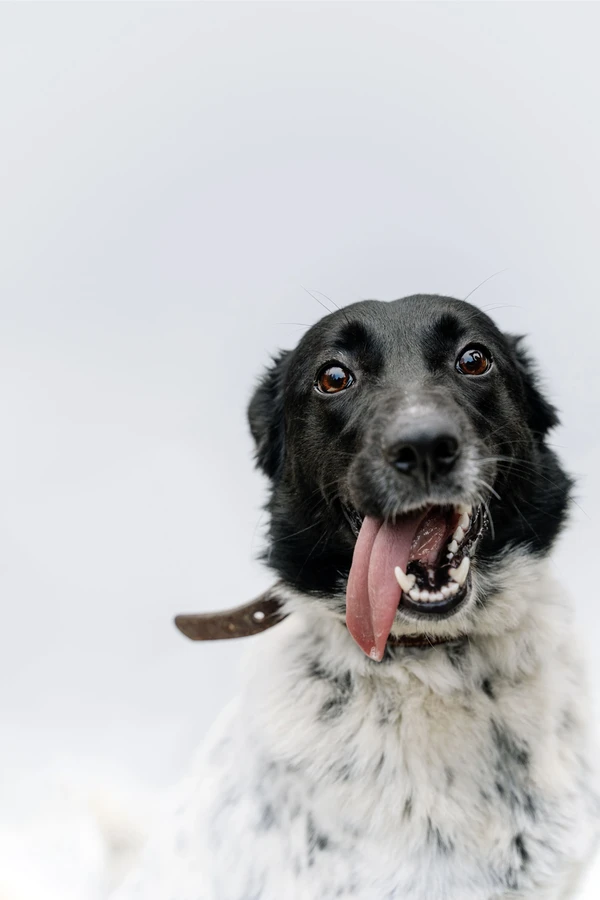
Summary
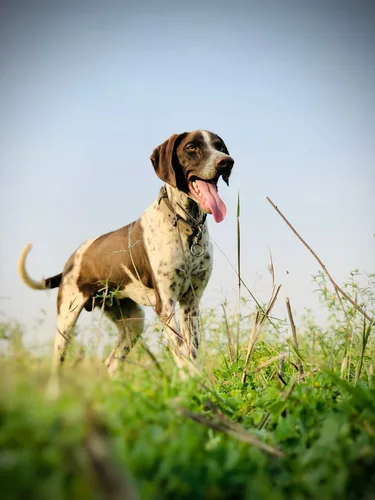
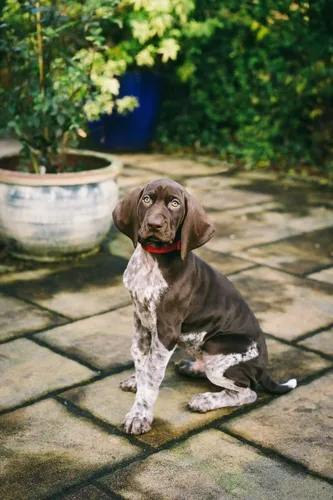
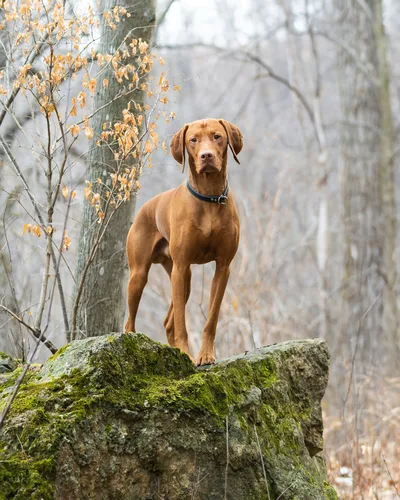
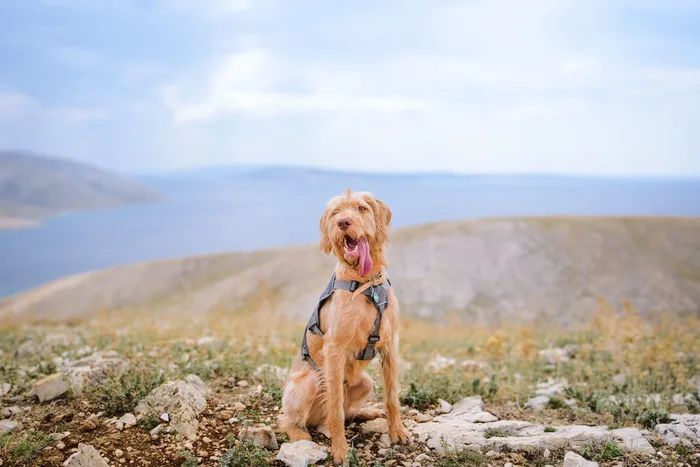
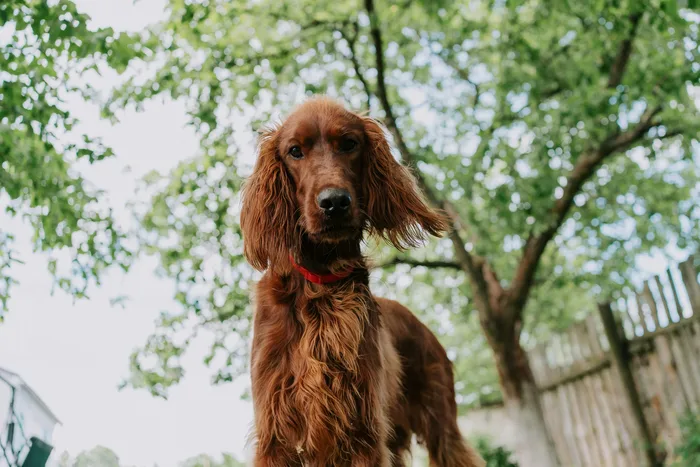
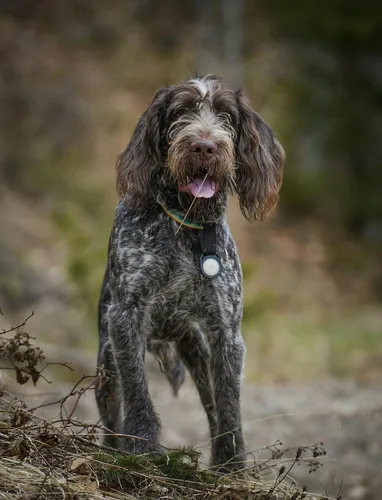
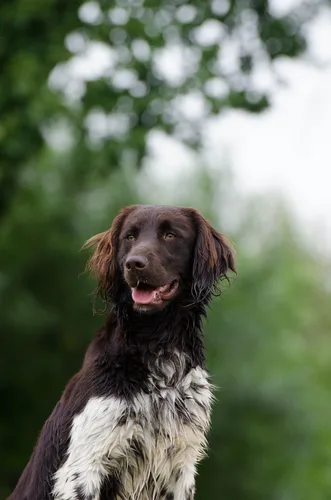
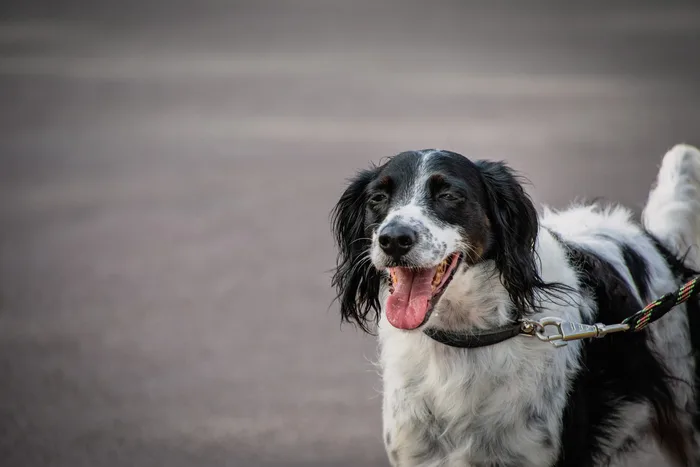
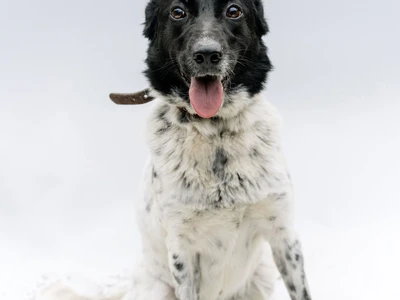
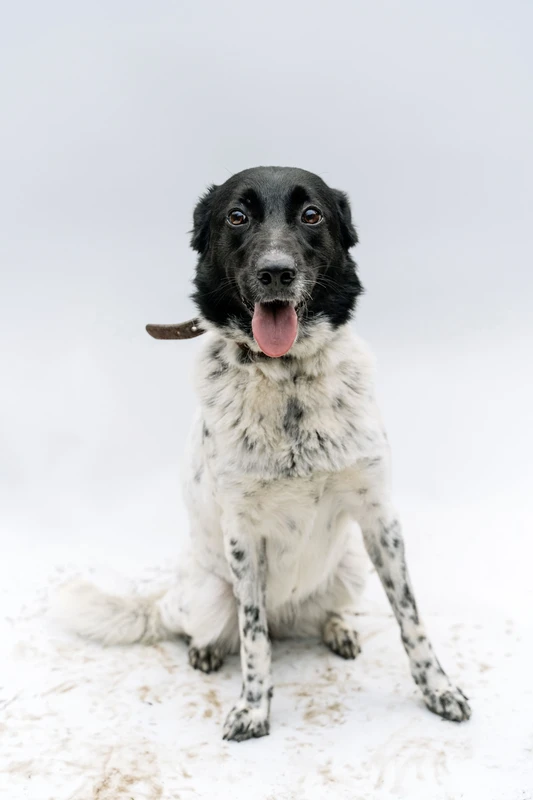
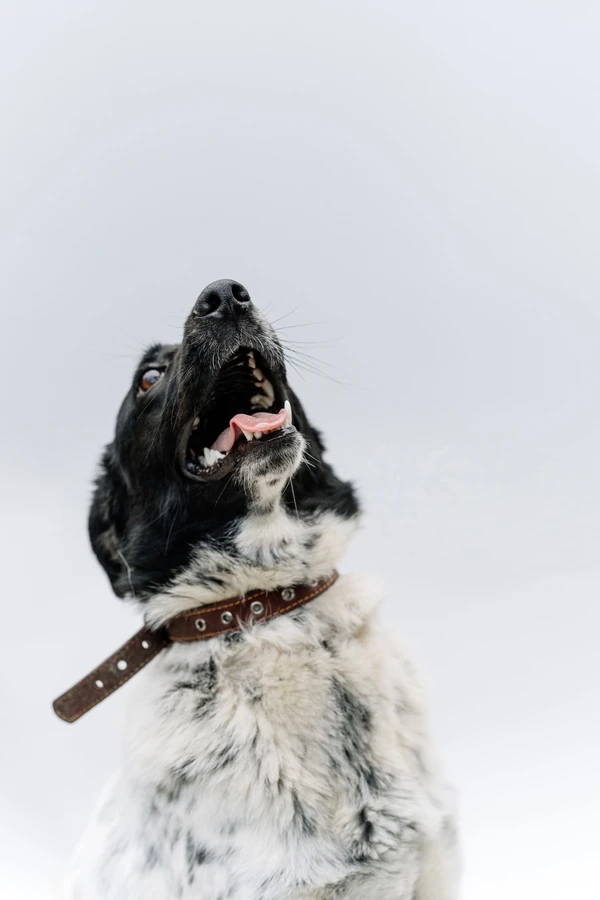
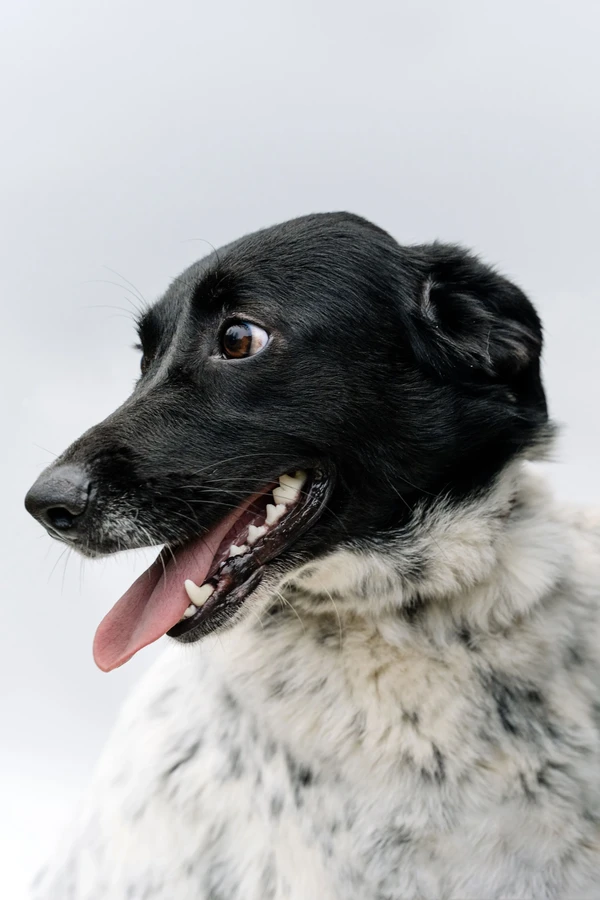
The Stabijhoun, also called the Stabyhoun or Frisian Pointer, is a rare Dutch gun dog from the province of Friesland, long kept as an all-round farm and hunting companion. A medium-sized dog with a long, silky, flat-lying coat, it is affectionate, even-tempered and deeply loyal, staying close to its people — the name comes from the Frisian for «stand by». Versatile in the field yet calm and quiet at home, the Stabijhoun is an intelligent, gentle family dog that thrives on company and steady exercise.
History & origin
The Stabijhoun is an old pointing breed from Friesland, in the north of the Netherlands, where for centuries farmers and huntsmen kept it as a versatile working dog — pointing and flushing game, retrieving, and keeping the farm clear of vermin. Long confined to its home province, the breed nearly died out after the Second World War, and its survival is credited to a small circle of Frisian enthusiasts. The name comes from the Frisian «stâ by houn», the dog that stands by you. Recognised by the FCI, it remains rare outside the Netherlands and is cherished as both a capable gun dog and a devoted companion.
Care
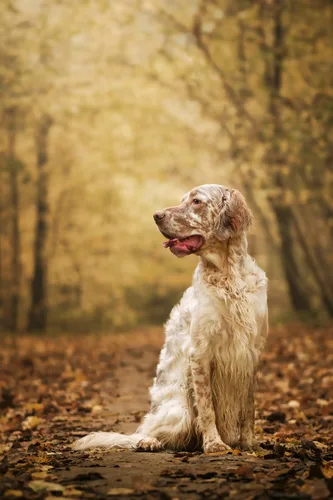
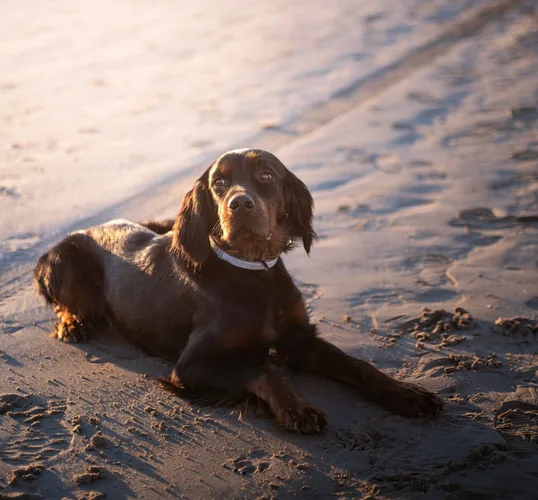
The Stabijhoun has a long, dense, flat coat that is fairly easy to keep but needs regular brushing — two or three times a week — to prevent tangles, especially in the feathering on the ears, chest and legs. The coat is weather- and water-resistant and an occasional bath is usually enough; they are a clean, low-odour breed that sheds only moderately. Stabijhouns need a good daily walk and the chance to run and work, and they enjoy fetching, scent work or field trials. They are intelligent and eager to please, so patient, positive training works best with their soft, sensitive nature.
Conditions
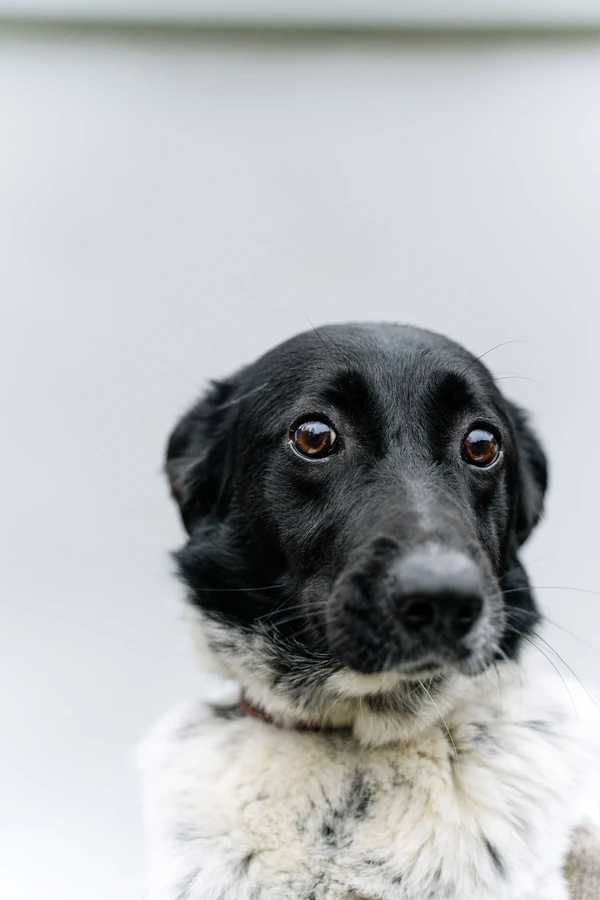
The Stabijhoun is a loyal, even-tempered family dog that forms strong bonds and likes to stay close to its owners, true to its name. They are gentle and good with children, get along with other dogs, and are reserved rather than aggressive with strangers. They need daily exercise and mental stimulation but are calm and quiet indoors, suiting both houses with a garden and calmer apartments provided their walks are regular. Unhappy left alone for long, they do best where someone is around, and their gentle, sensitive nature rewards patient, kind owners.