Summary
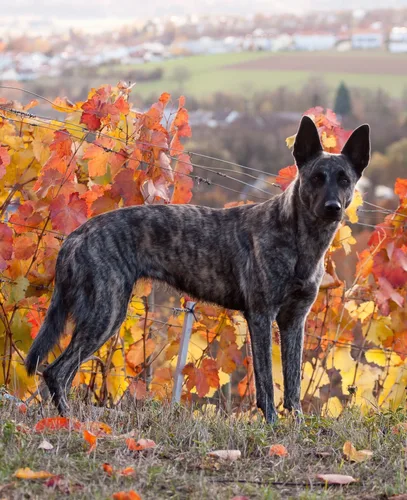
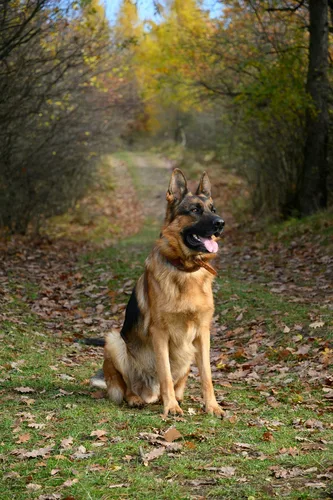
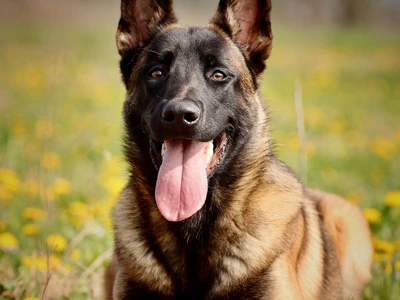
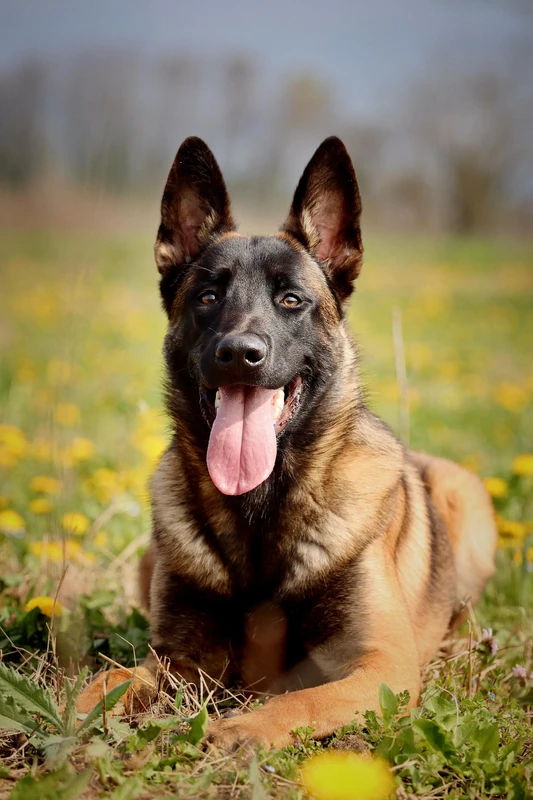
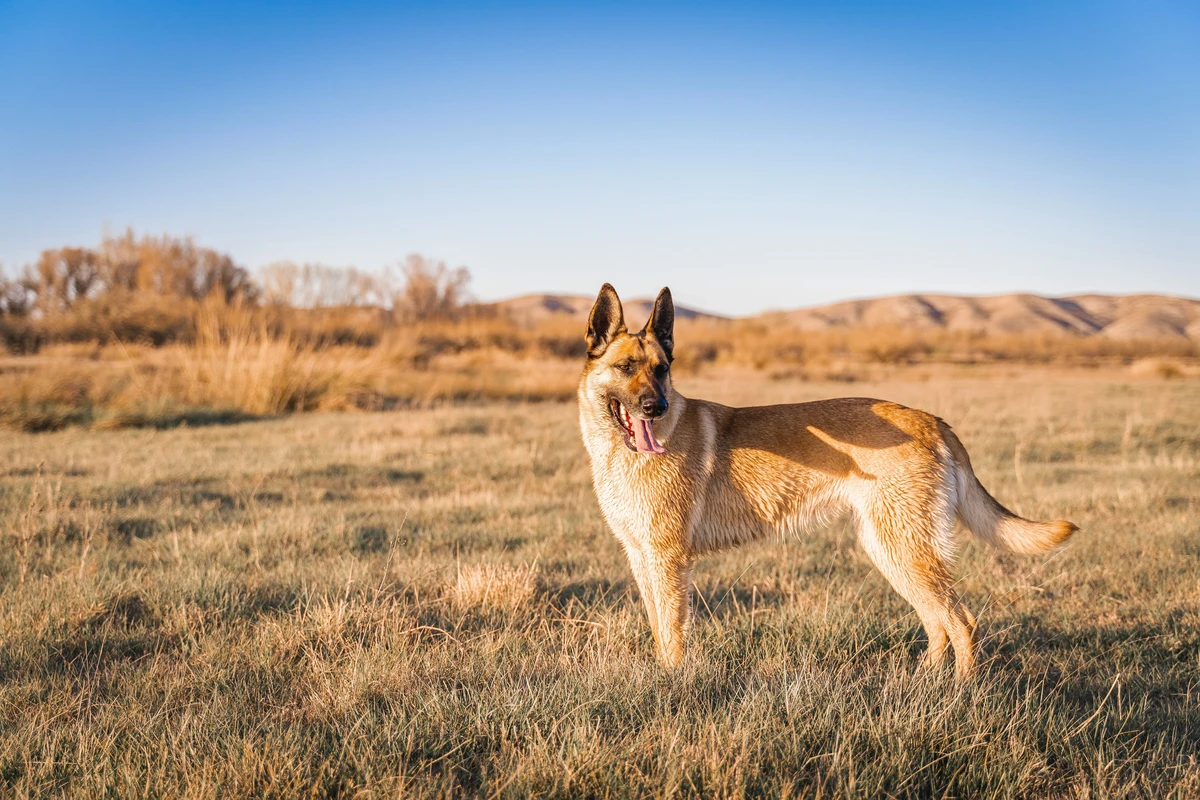
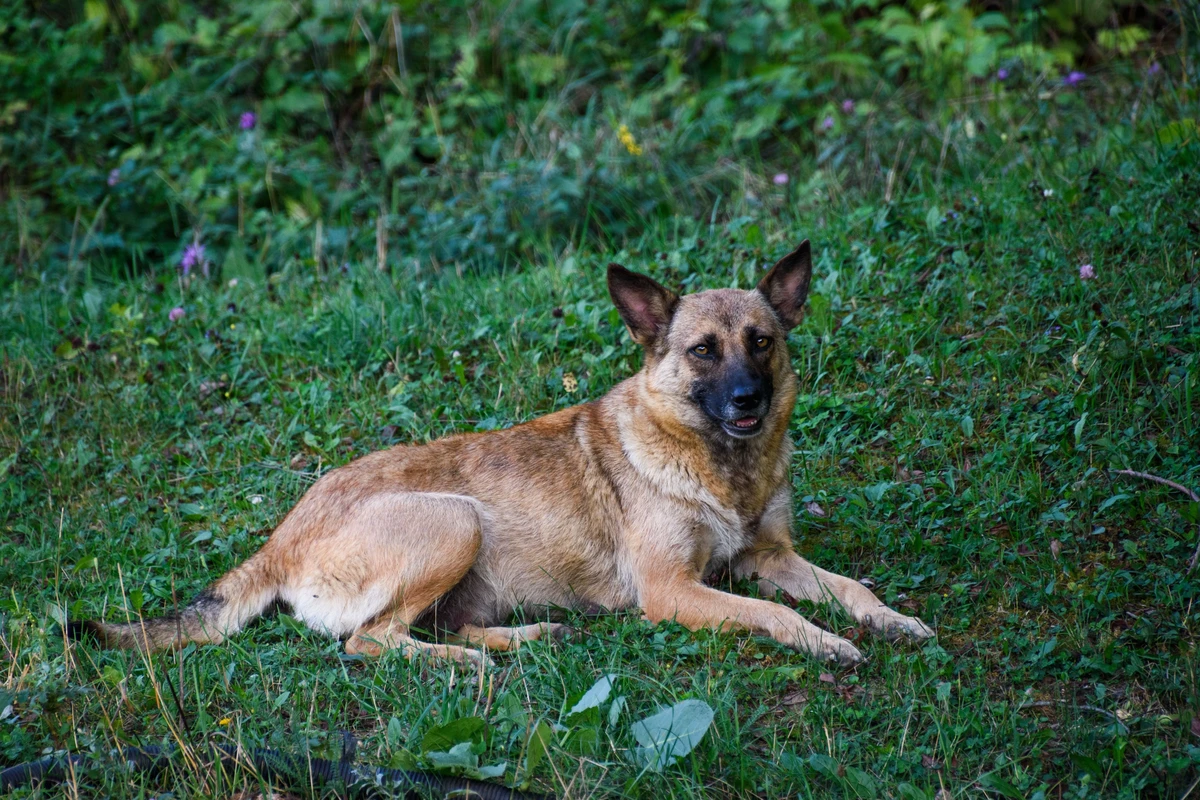
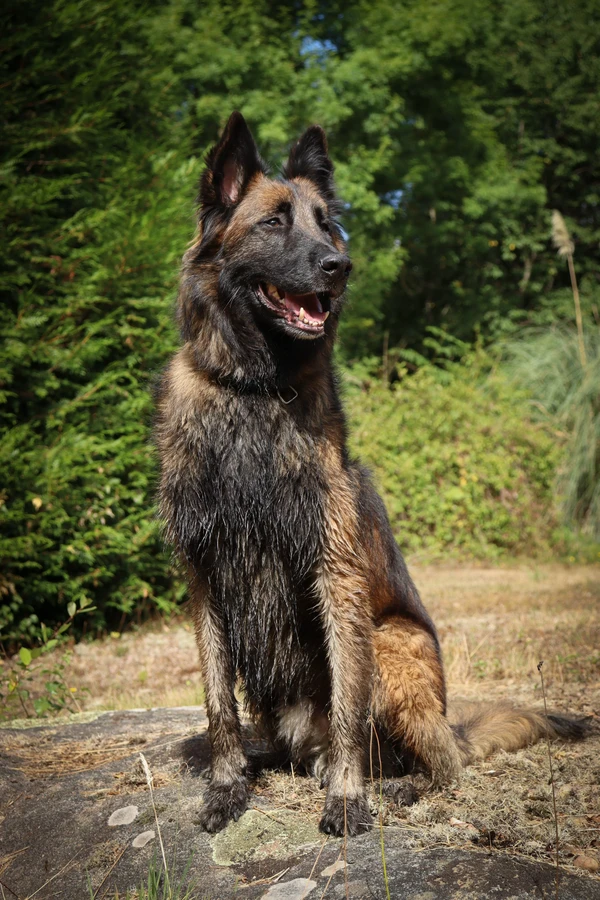
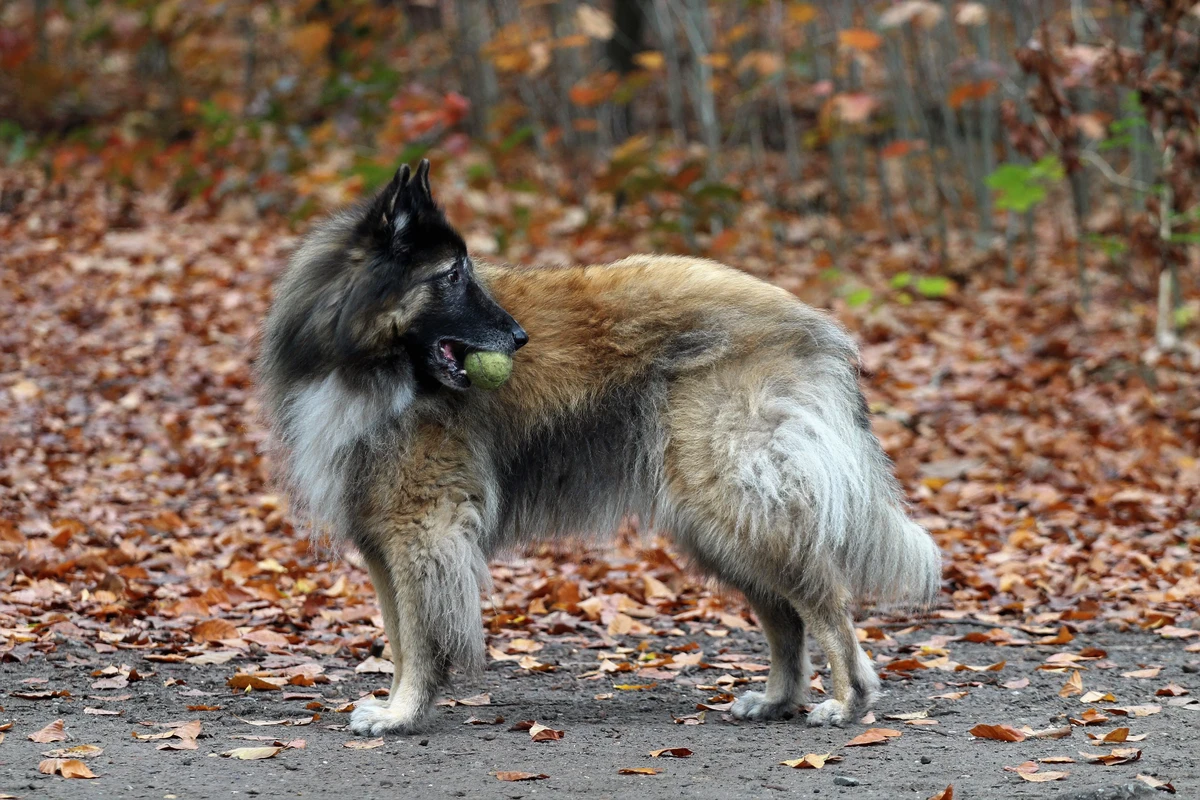
The Belgian Shepherd Dog is an intelligent, energetic herding breed from Belgium, known in four varieties — the long-coated Groenendael and Tervuren, the short-coated Malinois and the rough-coated Laekenois. All share the same character: alert, loyal and hardworking, with a strong work ethic and deep devotion to their family. Versatile and quick to learn, they excel as shepherd, guard and service dogs. Active and attentive, they thrive with experienced owners who can give them a job and plenty of exercise.
History & origin
The Belgian Shepherd Dog was developed in Belgium in the late nineteenth century, when local shepherd and farm dogs were brought together and standardised into one breed with four coat varieties named after Belgian towns — Groenendael, Tervuren, Malinois (Mechelen) and Laekenois. Valued as versatile workers, they herded and guarded flocks and later served as police, military and guide dogs. The breed nearly lost its identity to the popularity of the Malinois, but the four varieties remain part of one breed. Recognised by the FCI, it is prized worldwide for its intelligence, loyalty and trainability.
Care
The Belgian Shepherd has a weather-resistant double coat that needs regular brushing — a couple of times a week, and more when the coat blows — to keep it tidy and manage shedding; the short-coated Malinois needs less, the long-coated varieties more. They are active working dogs that need plenty of exercise and a job to do, whether herding, agility, obedience or protection work. Highly intelligent and eager to please, they train well with positive, consistent methods but need early socialisation and firm, fair handling to channel their energy and wariness of strangers.
Conditions
The Belgian Shepherd is a loyal, protective family dog that forms strong bonds and wants to be involved in everything its family does. They are good with children and protective of their home, but their intensity, energy and guarding instinct mean they need experienced owners, early socialisation and plenty of activity. They are happiest with a yard, a purpose and a job, and can become restless or destructive if left idle or alone for long. With the right stimulation and leadership they are devoted, reliable companions who excel in active, structured households.