Origins
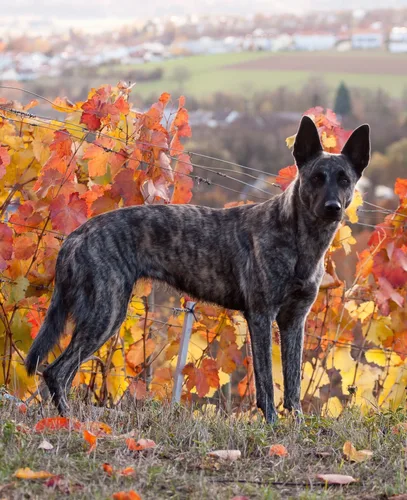
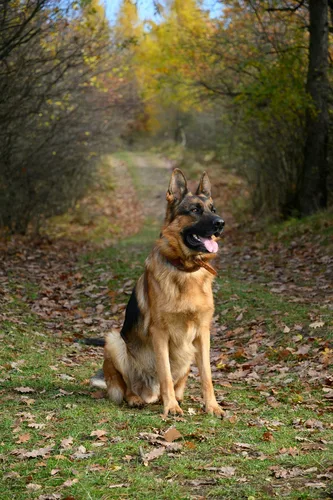
The Czechoslovakian Wolfdog was created in 1955 as a military experiment in Czechoslovakia, crossing German Shepherd Dogs with Carpathian wolves. The aim was to combine the trainability of the shepherd with the stamina and senses of the wolf for border patrol work. The crossing was successful, but the dogs proved hard to train and were never used in large numbers by the army. The breed was recognised in Czechoslovakia in 1982 and internationally in 1999, and it is kept today as a demanding working and companion dog. Its FCI standard is maintained by Slovakia, not by the country the breed comes from.
Lifestyle
Walks: Two hours or more, with real distance. It loves long hikes, cold weather and snow, and does well running beside a bike or on a long line. Off-lead is risky because of its strong prey drive and independent mind, so use a secure area or a long line.
Being alone: A strongly pack-minded dog that suffers when left alone. Long absences lead to howling, digging and destroyed furniture, and it can escape over or under fences. It is best for owners who are at home or can take it along.
At home: Calm indoors after exercise, but it needs space and a high, secure fence. It can climb and dig out, so check boundaries often. It prefers to be near the family, and often sleeps within reach of someone.
Children: Loyal to its family, including children it knows, but it is not a play-all-day breed. Its size, strength and wolf-like reactions mean it needs supervision around small kids and guests.
Other animals: Often reserved with unfamiliar dogs and may try to dominate them. Small animals, including cats, can trigger a chase, so living with them requires very careful introductions and early experience.
Play and activities: Tracking, long hikes, bikejoring, canicross and obedience suit it. It learns quickly but only does what it sees a point in, so keep training varied and based on trust rather than repetition.
Daily routine: Active mornings and evenings with long stretches of rest. It likes to stay close to the family, indoors and out, and does best with a routine that includes real outdoor time every day.
Care essentials
Practical advice, not a medical opinion. For any health question, ask your vet.
Coat: Brush once a week, and every day during the two heavy sheds a year. Bathe rarely: the thick coat has its own protection against dirt.
Ears, paws and teeth: After a walk, wipe the paws and check the coat.
More about everyday health in the dog health & care guide.
Fun facts
The breed appeared in 1955 as the result of an experiment crossing German Shepherds with Carpathian wolves. The original aim was to produce a working dog that combined the wolf's stamina with the German Shepherd's trainability.
Unlike many breeds, the Czechoslovakian Wolfdog has kept pronounced pack instincts. It needs close contact with its family and usually feels better with its owners than alone.
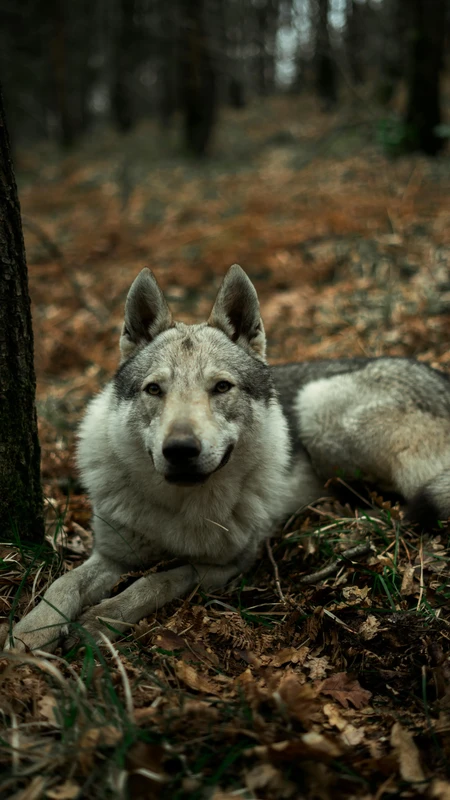
The wolfish look of the breed is underlined by amber eyes, a pale mask and a yellow-grey coat. Light, sweeping movement is also characteristic, allowing the dog to cover long distances using little energy.
FAQ
This breed is a great fit if you
- Have experience with strong, independent breeds
- Spend a lot of time outdoors, hiking or running
- Have a high, secure fence and a house with a garden
- Can be around most of the day
It may not be a fit if you
- Are getting your first dog
- Want a dog that obeys at once and off lead
- Share a home with cats or small pets
- Live in a flat in a busy city
Is it suitable for allergy sufferers?
Heavy shedding. No dog is completely hypoallergenic: allergens come from saliva, skin and dander, not only from hair. Reactions are individual, so spend time with the dog before you decide and talk to an allergist if you are unsure.
Which breeds are similar to Czechoslovakian Wolfdog?
Chosen from all groups: breeds of the same size, ordered by how closely their coat length, coat type and activity level match. The notes show how each breed differs from this one.
- American Eskimo Doglighter, barks more
- German Spanielvery similar overall
- Norwegian Elkhound Greybarks more
- Nova Scotia Duck Tolling Retrieververy similar overall
- Romagna Water Doglighter, sheds less
Compare Czechoslovakian Wolfdog with another breed
Which other breeds might suit me?
Visit the Breeds page: with the filters and the quiz there you can get to know the breeds better.