


Summary.
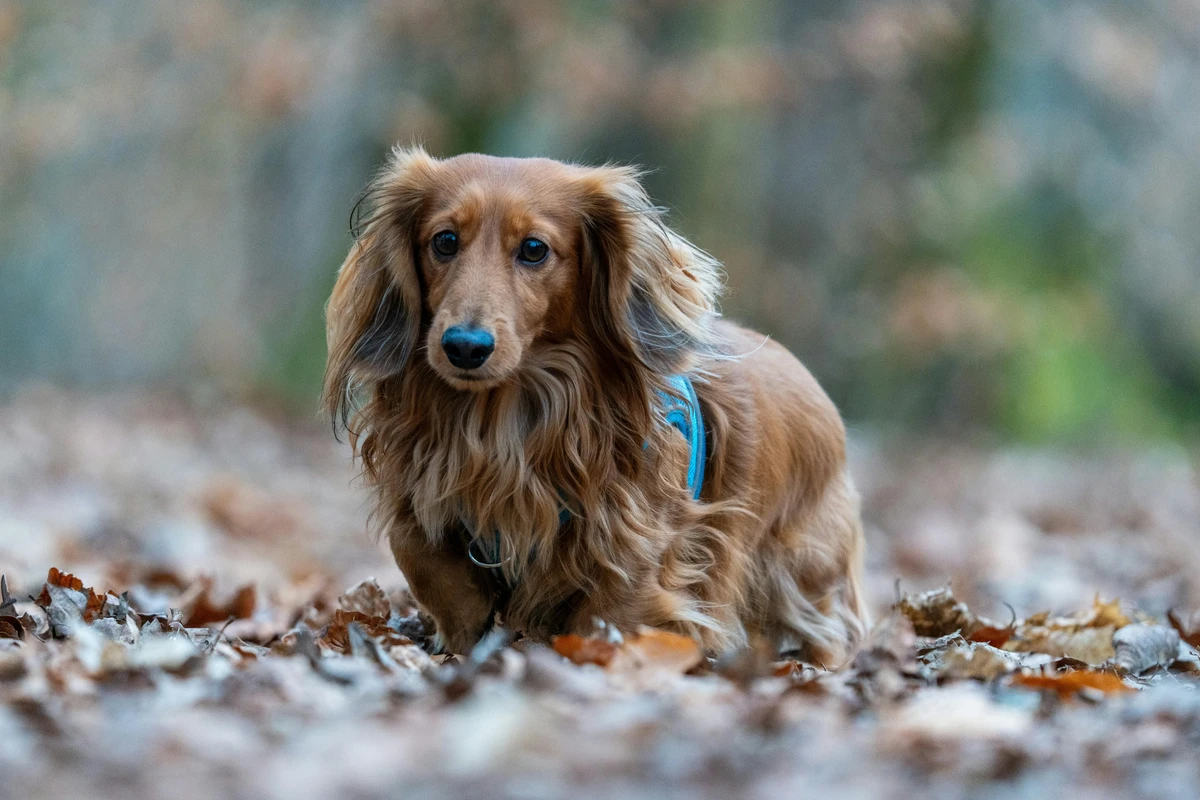
The Dachshund is a distinctive German hound breed originally developed for hunting badgers and other burrow-dwelling animals. Recognized for its long body, short legs, and bold personality, it is one of the most iconic dog breeds. Dachshunds are curious, brave, and lively, often displaying a confident and sometimes stubborn temperament. Despite their small size, they have a strong hunting instinct and a surprisingly loud voice, making them effective watchdogs. The breed comes in two sizes and three coat types, adding to its versatility and popularity.
Care.
Dachshunds have grooming needs that vary depending on coat type. Smooth-coated dogs require minimal maintenance, while long-haired and wire-haired varieties need more regular brushing. Exercise needs are moderate, but care must be taken to avoid excessive jumping or strain due to their long spine, which is prone to injury. Daily walks and controlled play are ideal. Maintaining a healthy weight is especially important, as excess weight increases the risk of back problems.
Conditions.
Dachshunds adapt well to apartment living and smaller homes, provided they receive regular activity and attention. They are social and loyal but can be independent and sometimes stubborn, requiring consistent training and early socialization. Due to their hunting background, they may chase small animals and can be vocal. This breed is best suited for households that can provide structure while accommodating their physical limitations, particularly protecting their back from injury.