Summary
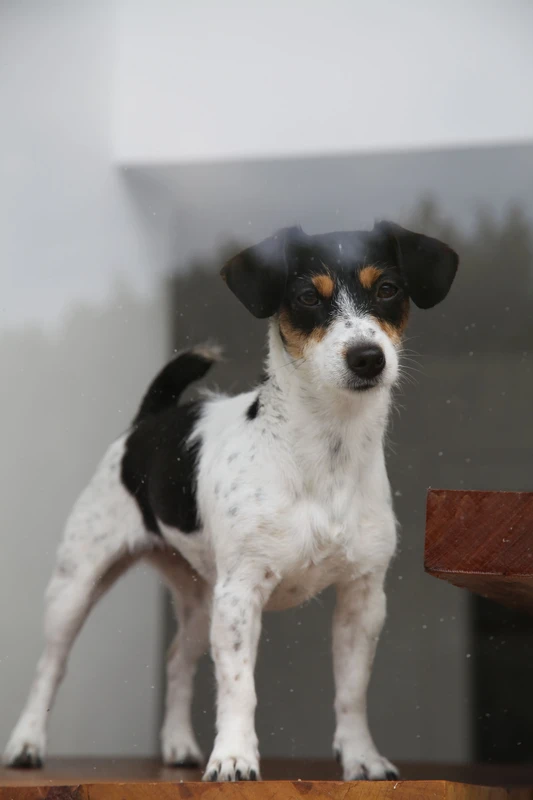
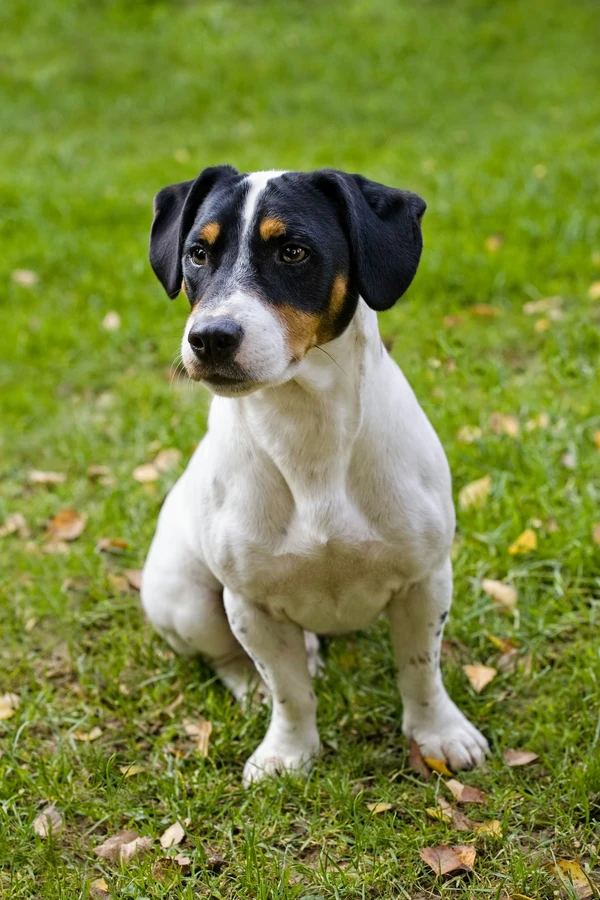
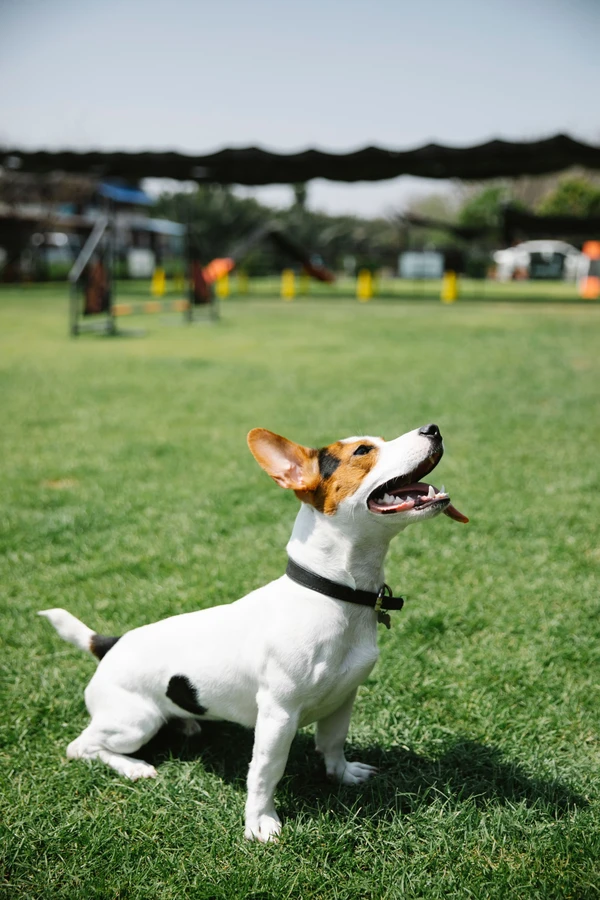
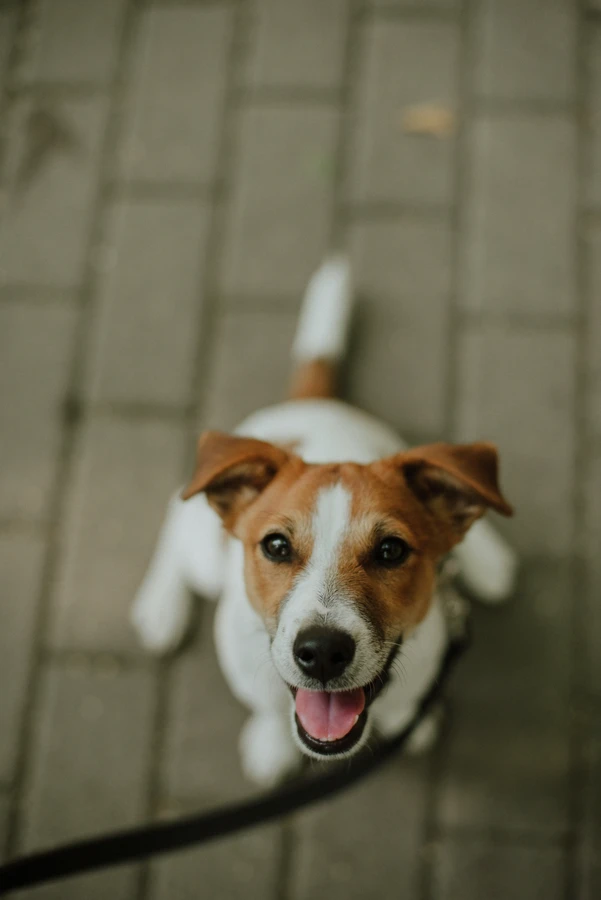
The Jack Russell Terrier is a small, strong and lithe working terrier of enormous character: white with black and tan markings, a compact rectangular body and a keen, intelligent expression. Bred in nineteenth-century England by the Reverend John «Jack» Russell to run with hounds and go to ground after fox, it is bold and fearless, lively and alert, friendly but quietly confident. It needs a great deal of exercise, firm but kind training and a job to do — otherwise its energy goes into digging, barking and escape artistry.
History & origin
The breed takes its name from the Reverend John «Jack» Russell, an English clergyman and hunting enthusiast who in the early nineteenth century bought a small white terrier bitch called Trump and bred from her a line of game working terriers. His dogs had to follow hounds on horseback and then go to ground after fox, so they were selected for courage, stamina and a body narrow enough to work underground. The Jack Russell spread with fox hunting across Britain and later worldwide, and was developed further in Australia, which the FCI records as the country of development. Long known simply as a working terrier type, it received its own FCI standard in 2012; today it is both a serious working dog and a popular, demanding family companion.
Care
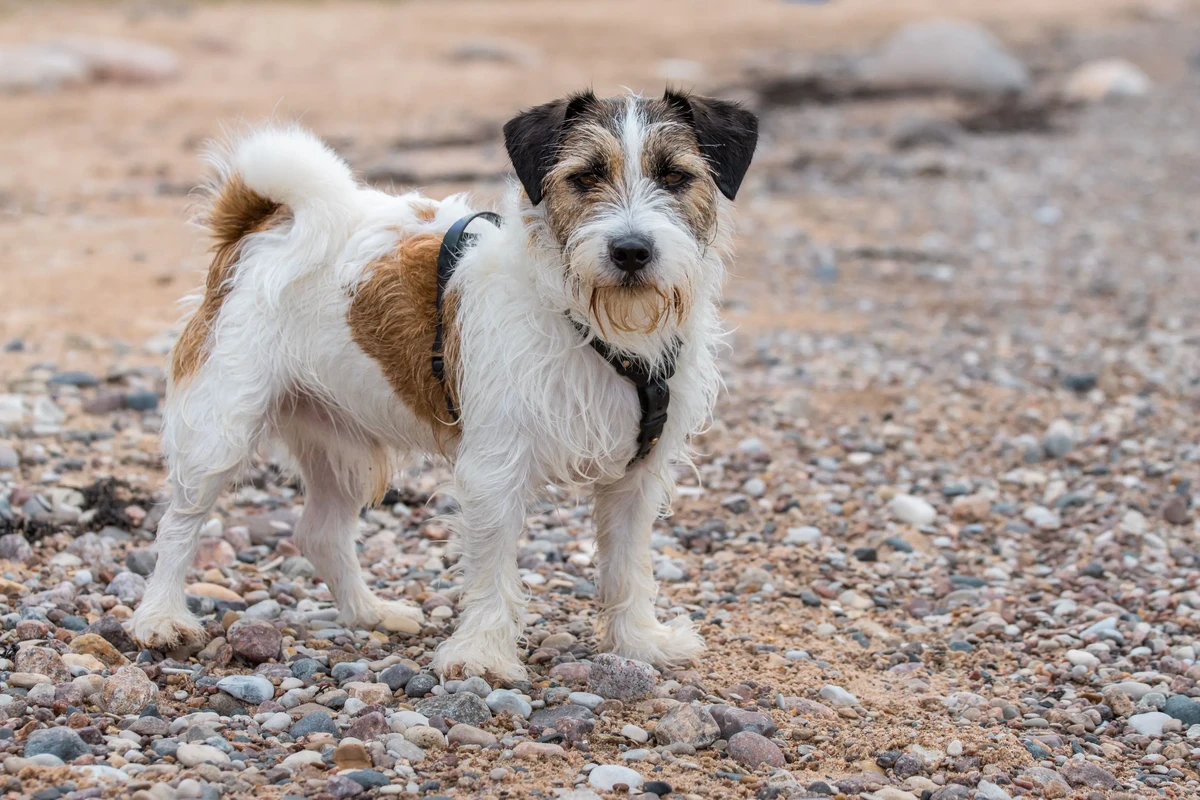
The coat comes in three types — smooth, broken and rough — and all are easy to keep: a weekly brush and an occasional bath are enough, with hand-stripping for the rough and broken coats if a harsh texture is wanted. The real work is exercise: at least an hour a day of genuine activity, off-lead running where it is safe, games that use the nose and the brain, and something legal to dig. Without it the Jack Russell digs the flowerbeds, barks and escapes. Training must be early, firm and kind: this is an intelligent, confident terrier with a strong hunting instinct, so a reliable recall and a solid «leave it» matter more than tricks. Socialise it early with people, dogs and livestock.
Conditions
The Jack Russell suits active owners who want a dog in their daily life — runners, walkers, people who spend time outdoors — and it can live in a flat only if its exercise needs are genuinely met; a house with a secure garden is far more realistic. It is affectionate and entertaining with its family and usually good with children old enough to respect a dog, but its terrier nature means small pets, birds and rodents are at risk, and its escape skills are legendary, so fences must be dig-proof and gates kept shut. It barks readily and guards the house loudly. It needs company, a job and consistent rules; given those, it is a hardy, cheerful and endlessly amusing companion.