Origins
The Scottish Terrier comes from the Highlands and islands of Scotland, where several short-legged terrier types worked the cairns and burrows. Breeders separated them in the nineteenth century, and the Aberdeen Terrier became the Scottish Terrier as we know it. The first standard was published in 1880, and the breed was recognised in Britain in 1882. Its sturdy character and famous silhouette made it a symbol of Scotland and a favourite of presidents and writers.
Lifestyle
Walks: About an hour a day with a brisk walk and some time to sniff and explore. A Scottie is happy with a moderate amount of exercise, but it should not skip walks. Keep it on a lead near small animals.
Being alone: It is independent and can manage some hours alone, but it is still devoted to its family. Long absences may lead to barking or digging.
At home: A calm, dignified housemate that likes a regular routine. It may be reserved with visitors, and is often at its best with its own family in a quiet home.
Children: Better with older children who respect its space. It does not always like noisy or rough play, so supervise small kids.
Other animals: It can live with other dogs if socialised early, but it is not always friendly with strange dogs. Small pets are at risk because of its hunting instinct.
Play and activities: Short walks with sniffing, scent games, simple tricks and training suit it. It is clever but independent, so keep training patient and rewarding.
Daily routine: A steady rhythm of walks, meals, grooming and rest. It likes order and a calm household.
Care essentials
Practical advice, not a medical opinion. For any health question, ask your vet.
Coat: The wiry coat should be brushed two or three times a week and clipped or hand-stripped every two to three months. The hair on the beard and "skirt" gets dirty quickly.
Ears, paws and teeth: Wipe the beard after eating and drinking.
Worth knowing: Wipe the beard and "skirt" after walks in wet weather.
More about everyday health in the dog health & care guide.
Fun facts
The Scottish Terrier has a wiry coat with a soft undercoat, thick eyebrows and a beard, which give it a recognisable silhouette.
The Scottish Terrier is one of the classic tokens in the board game Monopoly.
Short, strong legs and sturdy claws helped Scottish Terriers get into burrows and drag out foxes, badgers and other quarry.
FAQ
This breed is a great fit if you
- Want a loyal, independent small dog
- Enjoy moderate daily walks
- Are happy to book regular grooming
- Can give calm, patient training
It may not be a fit if you
- Want a dog that is friendly to every visitor
- Are away from home most of the day
- Have rabbits or other small pets
- Have very small children
Is it suitable for allergy sufferers?
Moderate shedding. No dog is completely hypoallergenic: allergens come from saliva, skin and dander, not only from hair. Reactions are individual, so spend time with the dog before you decide and talk to an allergist if you are unsure.
Which breeds are similar to Scottish Terrier?
Chosen from all groups: breeds of the same size, ordered by how closely their coat length, coat type and activity level match. The notes show how each breed differs from this one.
- Brussels Griffonlighter, sheds more
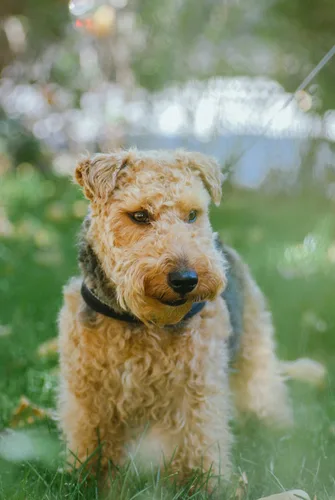
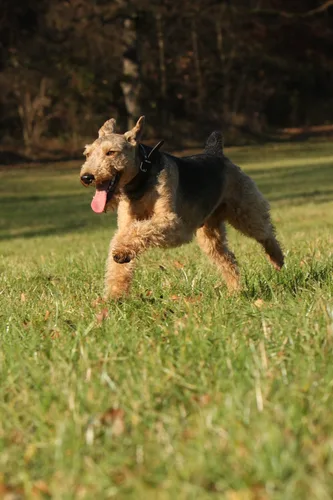
- Welsh Terriermore energetic
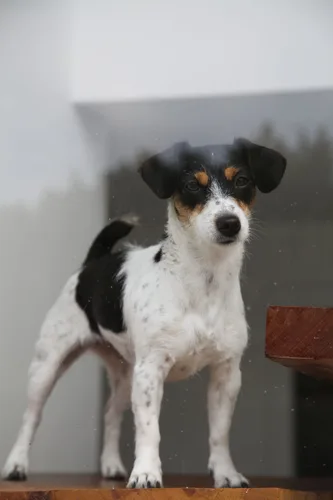
- Jack Russell Terriermore energetic, lighter
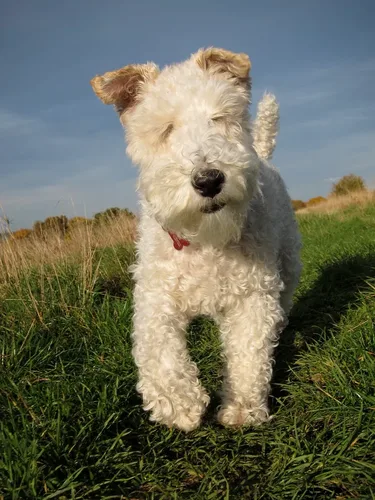
- Wire Fox Terriermore energetic
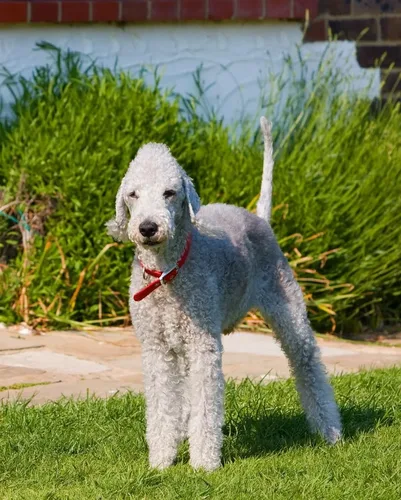
- Bedlington Terriervery similar overall
Compare Scottish Terrier with another breed
Which other breeds might suit me?
Visit the Breeds page: with the filters and the quiz there you can get to know the breeds better.