Origins
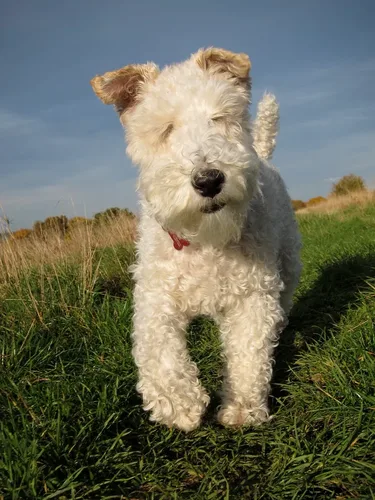
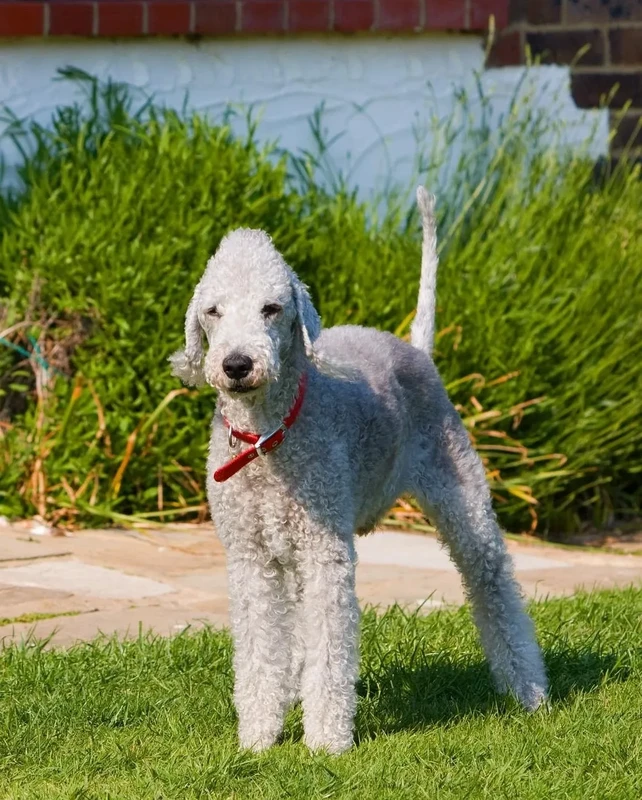
The Bedlington Terrier was developed in the mining country of Northumberland, England, and named after the town of Bedlington. Miners and poachers used it to hunt rats, rabbits and otter, and it could squeeze through narrow burrows. Its lamb-like coat and curved back hide a tough terrier, and the breed was once known as the Rothbury Terrier. It was recognised in Britain in 1877 and later became a show dog and a family companion.
Lifestyle
Walks: About an hour a day with some off-lead running in a safe place. The Bedlington is fast and loves to chase, so a secure area matters. In between, it enjoys sniffing walks.
Being alone: It is attached to its family and prefers company. A few hours alone is fine once it is used to it, but long absences can lead to barking or chewing.
At home: Calm, soft-natured and happy to curl up beside you. Indoors it is quiet and affectionate, and it adapts well to a flat if it gets its outdoor time.
Children: Gentle and playful with children, and usually good with those who treat it kindly. Because it is not very big, small kids should be taught to handle it carefully.
Other animals: Often friendly with dogs it knows, though some stand their ground with others. The chase instinct is strong, so cats, rabbits and other small pets need careful introductions.
Play and activities: Chasing a ball, running games, lure coursing, agility and tricks all suit it. It learns quickly and enjoys being close to you while it works.
Daily routine: A lively walk in the morning and again later, with plenty of quiet time at home. Keep the grooming routine regular so the coat stays easy to manage.
Care essentials
Practical advice, not a medical opinion. For any health question, ask your vet.
Coat: The soft, curly coat hardly sheds but mats easily. Brush it several times a week and clip it every six to eight weeks. It is easier to bathe before clipping: a clean coat clips more evenly. Trim the hair around the eyes and on the muzzle so it does not get in the way.
More about everyday health in the dog health & care guide.
Fun facts
The breed's name is linked to the mining town of Bedlington in Northumberland in north-east England, where it became well known.
Bedlington Terrier puppies are born dark blue or liver, but with age the coat lightens to blue-grey, sandy and other paler shades.
Bedlington Terriers were once used to hunt rats and other small animals in and around mines. Later they also became popular as sporting dogs that took part in races and competitions.
FAQ
This breed is a great fit if you
- Want a gentle, affectionate family dog
- Enjoy brisk walks and the chance to let a dog run
- Prefer a dog that sheds little
- Are happy to book regular grooming
It may not be a fit if you
- Have rabbits, hamsters or other small pets
- Are away from home most of the day
- Cannot let the dog off the lead in a safe place
- Do not want regular trimming
Is it suitable for allergy sufferers?
Moderate shedding. No dog is completely hypoallergenic: allergens come from saliva, skin and dander, not only from hair. Reactions are individual, so spend time with the dog before you decide and talk to an allergist if you are unsure.
Which breeds are similar to Bedlington Terrier?
Chosen from all groups: breeds of the same size, ordered by how closely their coat length, coat type and activity level match. The notes show how each breed differs from this one.
- Brussels Griffonlighter, sheds more
- Cavalier King Charles Spaniellighter
- Scottish Terriervery similar overall
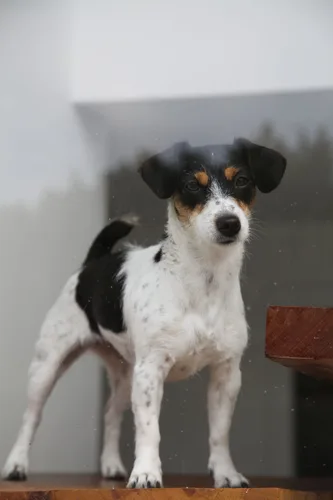
- Jack Russell Terriermore energetic, lighter
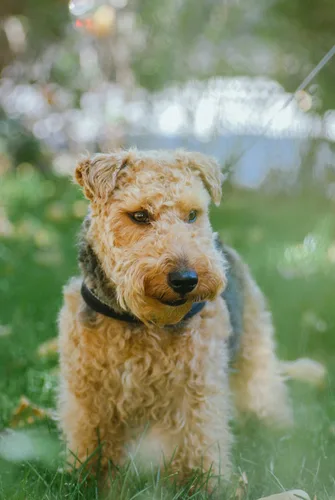
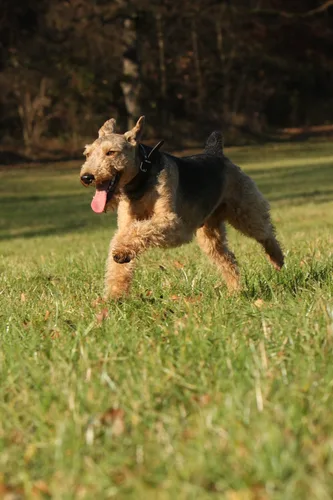
- Welsh Terriermore energetic
Compare Bedlington Terrier with another breed
Which other breeds might suit me?
Visit the Breeds page: with the filters and the quiz there you can get to know the breeds better.