Origins
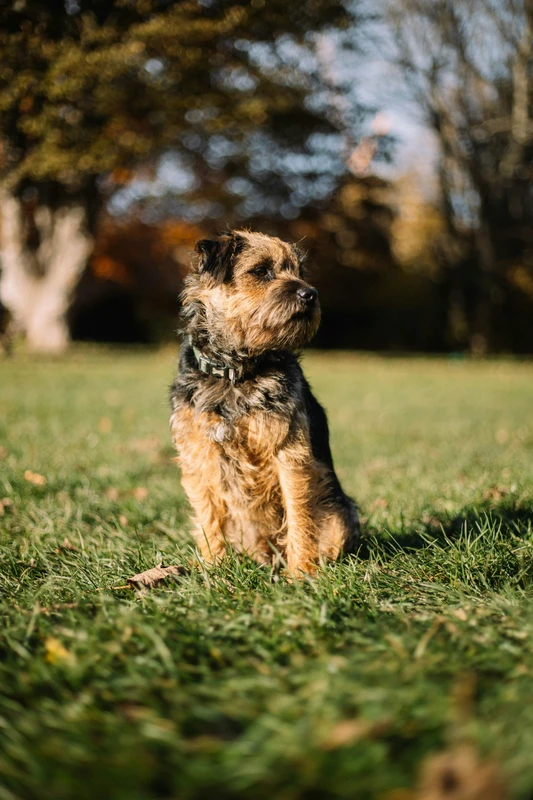
The Border Terrier comes from the Cheviot Hills between England and Scotland, where it worked with foxhounds and hunted foxes that threatened sheep. It had to be narrow enough to follow a fox into a burrow and tough enough to run with horses all day. The breed was shown first as the Coquetdale Terrier and took the name Border in 1880. It was recognised in Britain in 1920 and is still kept as a working terrier and a sturdy family dog.
Lifestyle
Walks: About an hour a day, and it will happily do more. The Border Terrier was bred to keep up with horses and hounds, so it has plenty of stamina for hikes. It follows scents, so keep it on a lead near wildlife.
Being alone: It likes company and does not do well with long hours alone. Bored, it may dig, chew or bark.
At home: A good house companion, calm indoors when it has had its exercise. It likes to be close to the family and curl up on a sofa or in a basket.
Children: Friendly, sturdy and tolerant, which makes it a good family dog. As with any dog, teach small children to be gentle.
Other animals: Usually easy-going with other dogs, but the hunting instinct is strong, so cats and small pets need careful introductions. Outdoors, it may chase anything that moves.
Play and activities: Hiking, scent games, digging boxes, agility and obedience all suit it. It learns well and enjoys time with its people.
Daily routine: Busy mornings and evenings, with plenty of rest in between. It adapts to the pace of the household if it gets enough activity.
Care essentials
Practical advice, not a medical opinion. For any health question, ask your vet.
Coat: The wiry coat sheds little. Brush it once or twice a week and have it hand-stripped two or three times a year to keep its structure. Bathe rarely: when the mud on a wiry coat dries, it falls off by itself.
Ears, paws and teeth: After digging, wipe the paws and check the claws.
More about everyday health in the dog health & care guide.
Fun facts
The breed standard describes the head shape as "otter-like": broad, with a short, strong muzzle and small ears.
Border Terriers were bred for fox hunting alongside riders. The dog had to keep up with the horsemen and then pursue the fox right into its underground refuge.
The Border Terrier has thick, relatively loose skin. This feature helped protect the dog from bites and scratches in fights with foxes in narrow burrows.
FAQ
This breed is a great fit if you
- Are active and enjoy walks in all weather
- Want a cheerful, easy-going small dog
- Have children who like to play
- Can secure a garden against digging and escaping
It may not be a fit if you
- Want a dog that is happy to be alone for many hours
- Have rabbits, hamsters or other small pets
- Dislike digging and barking at passers-by
- Cannot let the dog run safely
Is it suitable for allergy sufferers?
Moderate shedding. No dog is completely hypoallergenic: allergens come from saliva, skin and dander, not only from hair. Reactions are individual, so spend time with the dog before you decide and talk to an allergist if you are unsure.
Which breeds are similar to Border Terrier?
Chosen from all groups: breeds of the same size, ordered by how closely their coat length, coat type and activity level match. The notes show how each breed differs from this one.
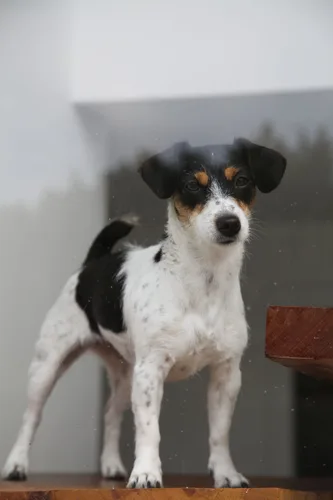
- Jack Russell Terriervery similar overall
- Brussels Griffoncalmer, sheds more
- Dachshundcalmer, heavier
- Beagleheavier
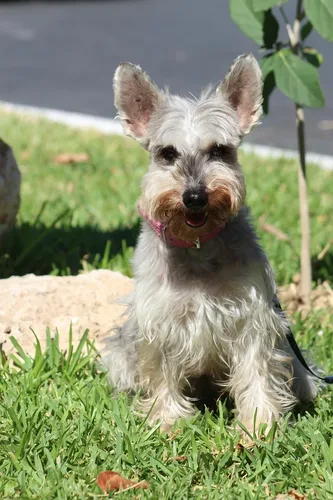
- Miniature Pinschervery similar overall
Compare Border Terrier with another breed
Which other breeds might suit me?
Visit the Breeds page: with the filters and the quiz there you can get to know the breeds better.