Summary
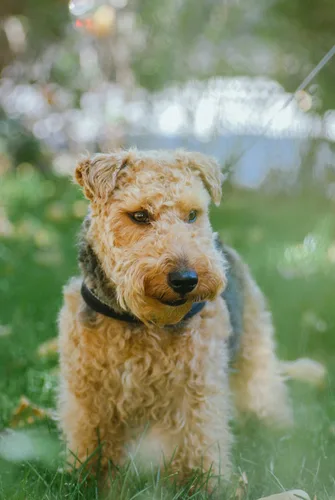
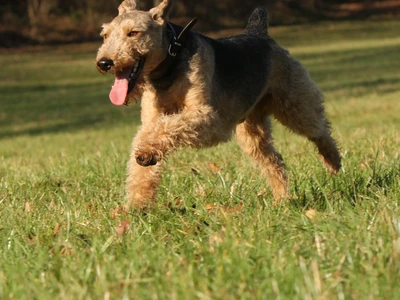
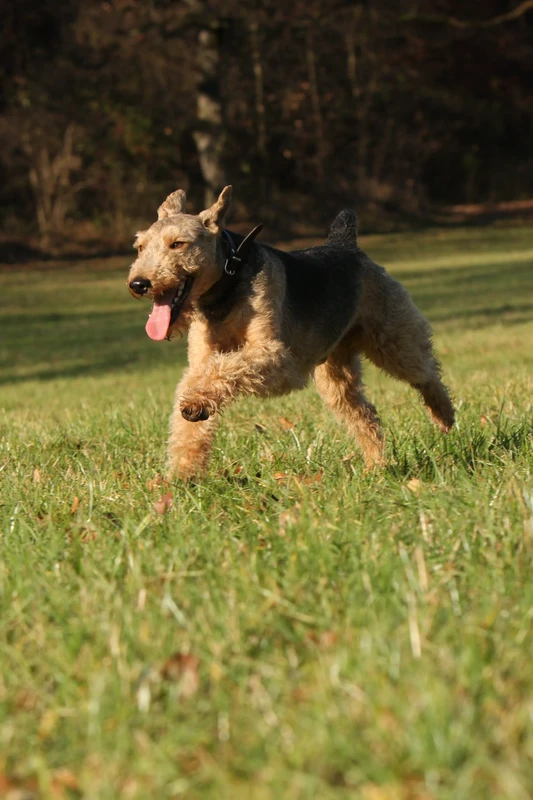
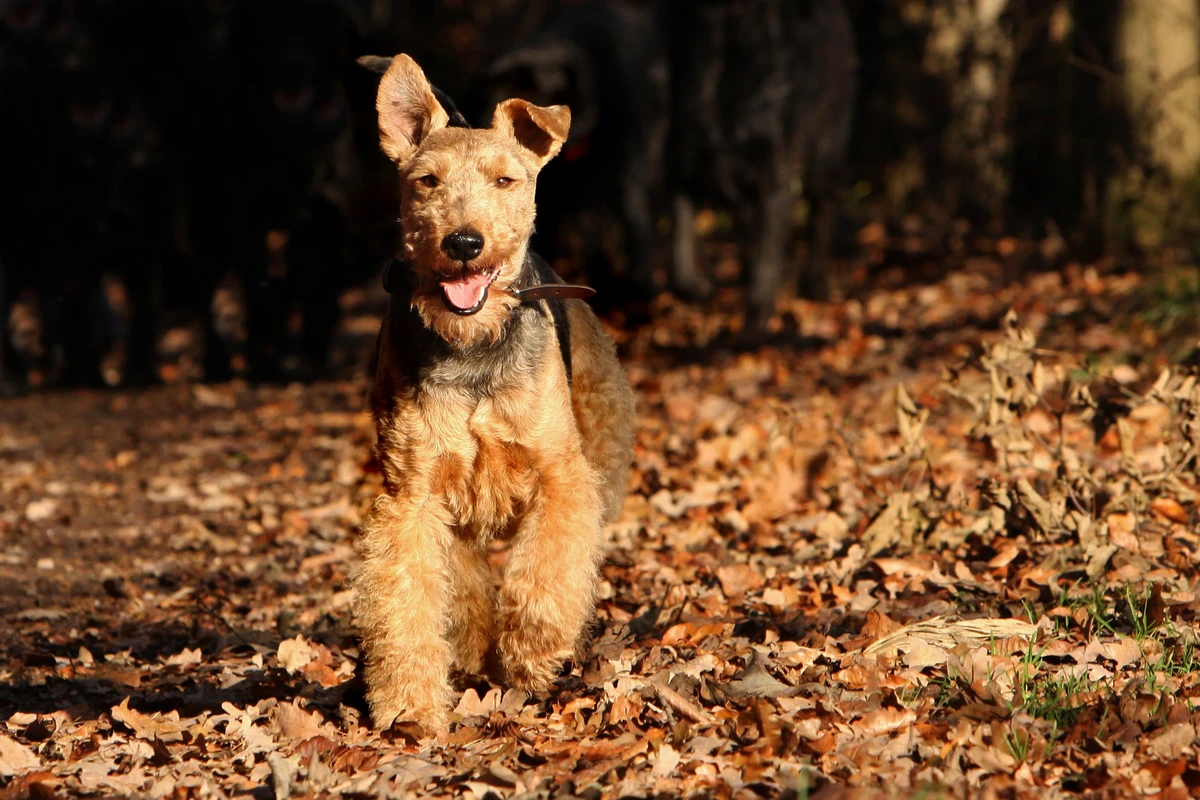
The Welsh Terrier is a compact, workmanlike terrier in a handy size, with a harsh black-and-tan coat and the cheerful confidence of a working dog. Bred in Wales to hunt otter, fox and badger, it is game and fearless without being aggressive, affectionate and obedient at home, spirited and busy on the move. It needs daily exercise, company and short, varied training that keeps its quick mind occupied — and its wiry coat needs stripping or clipping rather than mere brushing.
History & origin
The Welsh Terrier descends from the old black-and-tan rough-coated terriers of Wales, where it worked beside farmers and huntsmen chasing otter, fox and badger. Known in Welsh as «daeargi», the earth dog, it was shown for a time as the «Old English Wire-haired Black and Tan Terrier» before being recognised as a breed in its own right in the late nineteenth century. The breed reached the United States at the end of the 1880s and was recognised by the FCI; today it remains a rare but steady companion, prized for its even temper and working-dog sturdiness.
Care
The characteristic harsh coat is the main commitment: hand-stripping two or three times a year keeps the texture and colour, while clipping every few months is easier but softens the coat; in between, a weekly brush and comb prevents mats. Bathe only when necessary and check the ears, nails and the hair between the pads. The Welsh Terrier needs a good daily walk plus play and, ideally, something to dig or search for — a bored terrier invents its own work. Train with kindness and consistency: this is a clever, active dog that learns quickly and loses interest just as fast, so short, varied sessions and early socialisation work far better than repetition or pressure.
Conditions
The Welsh Terrier adapts to a flat if it gets proper daily exercise, though a house with a garden suits it better. It is affectionate and lively with its family, usually good with children and, when well socialised, with other dogs; its hunting instinct means small pets such as rabbits and hamsters need care. It dislikes being left alone for long and will complain. Hardy in most weather, it still needs shade and water in heat and a dry spot after wet walks. Expect an active, cheerful companion that wants to be involved in everything — and one that will happily take charge of the garden if you let it.