Summary
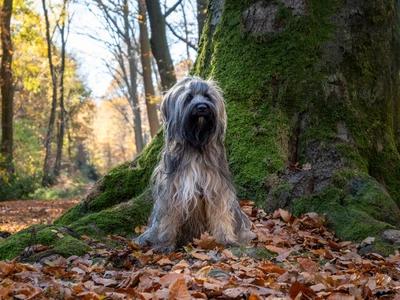
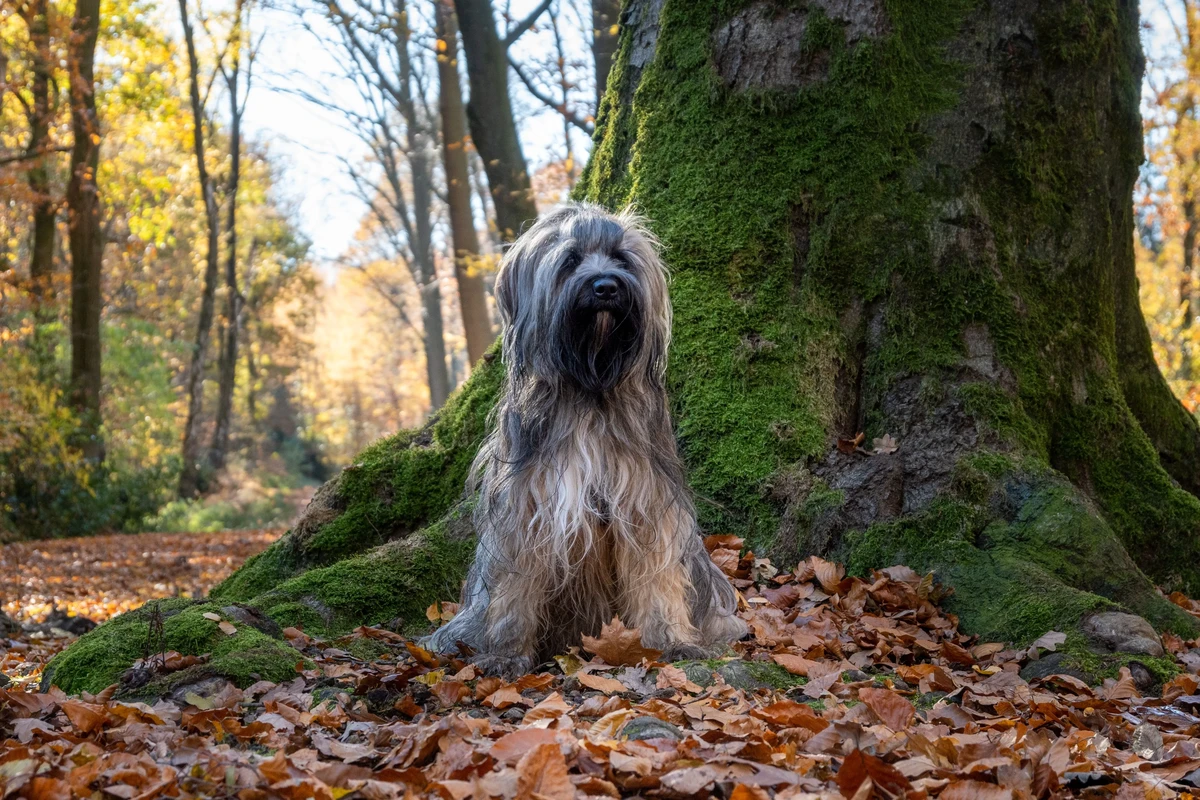
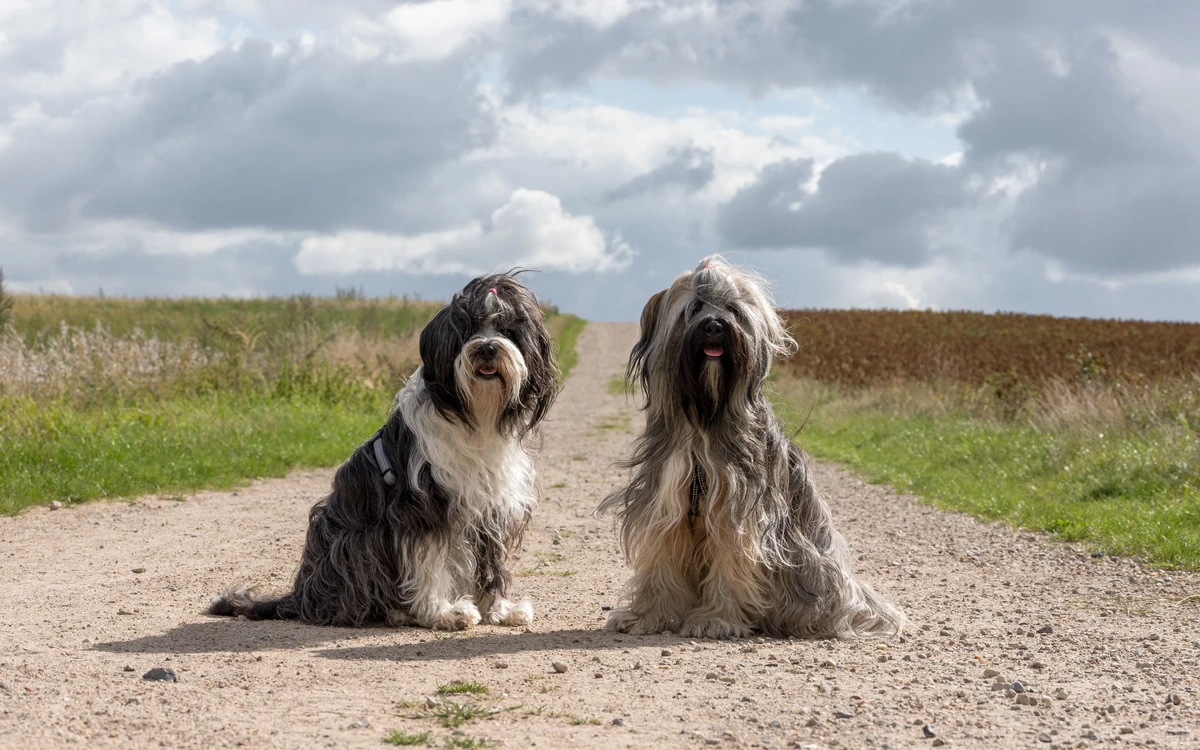
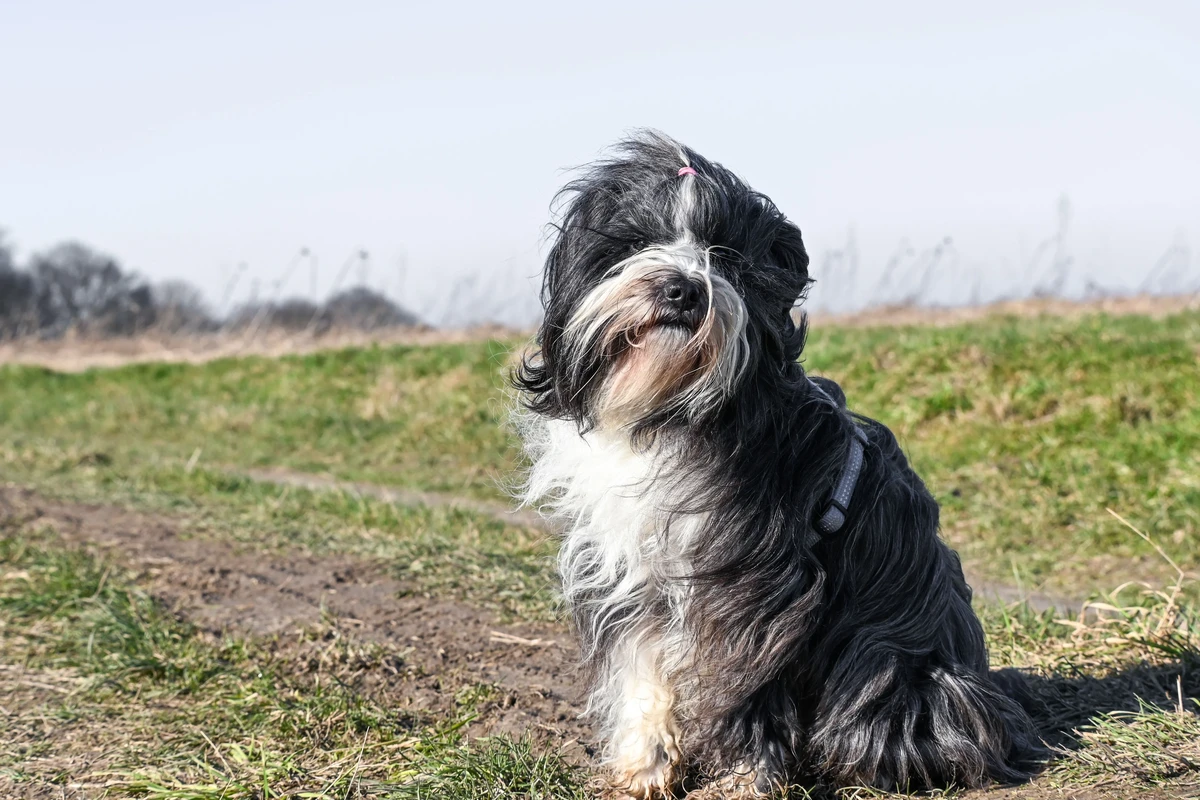
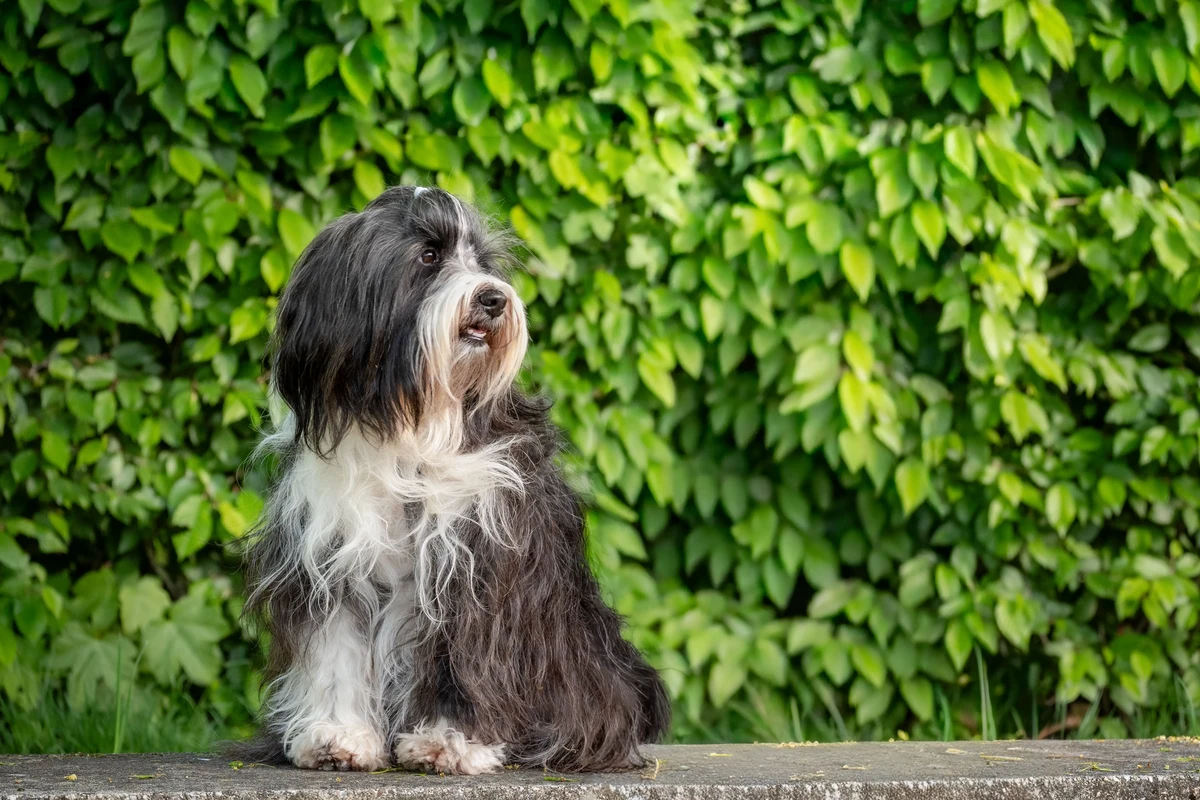
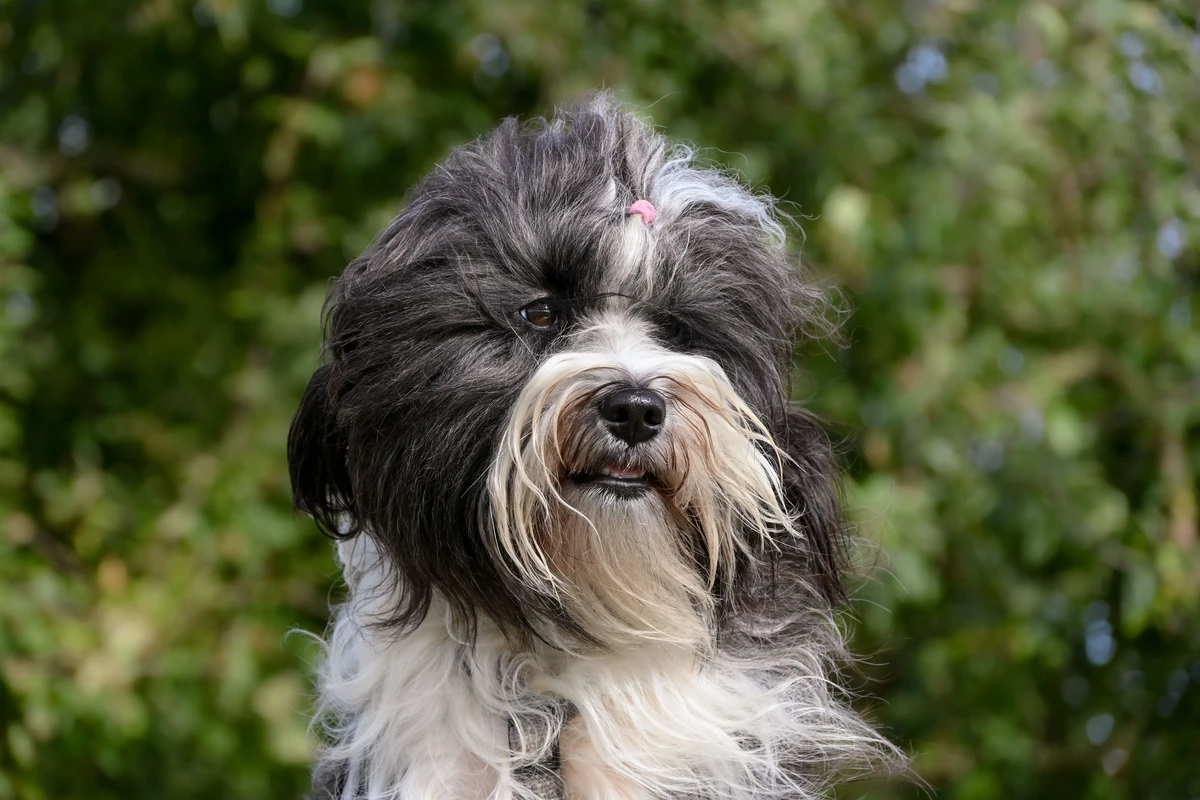
The Tibetan Terrier is a sturdy, medium-small dog with a square outline and a long, dense double coat — and, despite the name, no terrier blood at all. Bred for centuries in Tibetan monasteries and nomad camps as a companion and a good-luck charm, it is lively, good-natured and deeply loyal: intelligent and alert, watchful with strangers yet devoted to its own people. The long coat and regular grooming are the breed's main commitment, along with moderate daily exercise and patient, consistent training.
History & origin
The Tibetan Terrier comes from the high valleys of Tibet, where for centuries it was kept by monasteries and nomadic herders. Known as the «Tsang Apso», it was regarded as a lucky charm — the «Holy Dog of Tibet» — and was rarely sold but given as a gift, while also guarding flocks and warning of strangers. The breed reached Europe in the 1920s, when the British doctor Agnes Greig brought the first dogs back from Tibet and named it «terrier» because of its size rather than its ancestry. Recognised by the FCI and by kennel clubs around the world, the Tibetan Terrier is today above all a family companion with a long memory of its mountain past.
Care
The long double coat is the biggest job: brush it two or three times a week, paying special attention behind the ears, under the collar and on the legs, where mats form first, and daily during the seasonal moult; many owners keep the coat trimmed shorter for easier care. Bathe only when necessary, check the ears, nails and hair between the pads, and dry the dog thoroughly after wet walks. Exercise needs are moderate — daily walks, play and a secure garden are enough — and the breed enjoys learning. Train calmly and consistently: the Tibetan Terrier is clever but independent-minded, and harsh handling makes it withdrawn.
Conditions
The Tibetan Terrier fits family life well and can live in a flat if it gets its daily walks, though a house with a fenced garden suits it better. It is affectionate with its own people and usually good with children and other pets, but reserved with strangers, so early, gentle socialisation matters. It dislikes being left alone for hours and will say so. The breed tolerates cold well and heat badly, so shade, water and walks outside the hottest hours are essential in summer. Expect a companion that wants to be part of everything the family does — and one whose coat will be part of your routine as well.