Origins
The Pekingese was kept for centuries in the imperial palace of China, where only royalty and the highest nobility were allowed to own one. The dogs were bred as small, lion-like companions and were carried in the sleeves of court robes. When British troops entered the Forbidden City in 1860, five palace dogs were taken to Britain, and one was given to Queen Victoria. The breed was recognised in Britain in 1893 and has been a popular companion ever since. Its FCI standard is maintained by Great Britain, not by the country the breed comes from.
Lifestyle
Walks: About 30 minutes a day in short, slow walks at cool times. Use a harness and avoid heat.
Being alone: It likes to be near its people but tolerates short periods alone better than many toy breeds. Leave it with a toy and a comfortable bed, and build up time alone slowly, since it prefers calm company.
At home: Calm, dignified and affectionate at home, often choosing a favourite spot on the sofa. It likes a cool, quiet spot and a cushion of its own, and it prefers a calm home to a lively one.
Children: Best with calm, careful older children. It does not like rough handling.
Other animals: Usually fine with other pets it knows, but may be bossy. Introduce new pets slowly and let it keep its own space, since a proud Pekingese likes to be treated with respect.
Play and activities: Gentle walks and quiet games. It is independent, so keep training short and rewarding.
Daily routine: Short walks and plenty of calm rest. Daily face care is part of the routine.
Care essentials
Practical advice, not a medical opinion. For any health question, ask your vet.
Coat: Brush the long coat with its undercoat three or four times a week, especially the feathering, and wipe the folds on the muzzle every day. Neatly trim the hair between the toes and under the tail to make it easier to keep clean.
Ears, paws and teeth: Check the eyes. Wipe the paws after walks.
Worth knowing: The Pekingese overheats easily, so keep it cool.
Breathing: Short-muzzled dogs have narrow airways, so heat, excitement and exertion tire them quickly. Noisy, snoring breathing and panting at rest are a reason to take the dog to the vet.
More about everyday health in the dog health & care guide.
Fun facts
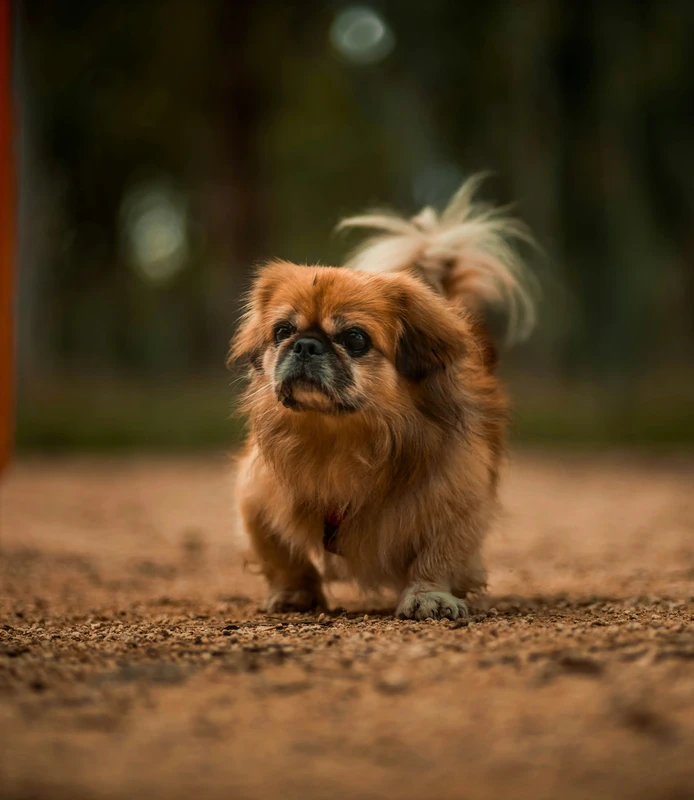
The Pekingese's look, with its thick mane and flat face, recalls a lion; no wonder it is called the "lion dog".
The most miniature Pekingese were called "sleeve dogs": according to tradition, they were carried in the wide sleeves of clothing. Such dogs were especially prized for their tiny size.
A slow, rolling gait is characteristic of the Pekingese.
FAQ
This breed is a great fit if you
- Want a calm, devoted small companion
- Are home often
- Do not mind regular grooming
- Prefer a dog with a quiet routine
It may not be a fit if you
- Have young children who may handle it roughly
- Live in a hot climate without cooling
- Want an active sports dog
- Are away from home most of the day
Is it suitable for allergy sufferers?
Heavy shedding. No dog is completely hypoallergenic: allergens come from saliva, skin and dander, not only from hair. Reactions are individual, so spend time with the dog before you decide and talk to an allergist if you are unsure.
Which breeds are similar to Pekingese?
Chosen from all groups: breeds of the same size, ordered by how closely their coat length, coat type and activity level match. The notes show how each breed differs from this one.
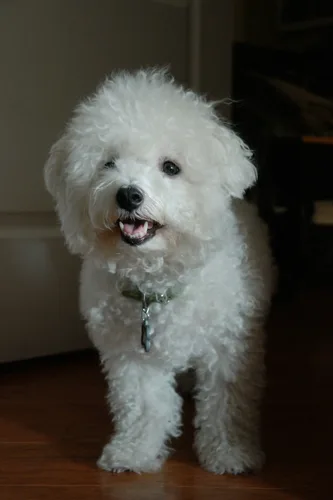
- Bichon Frisemore energetic, quieter
- Pomeranianmore energetic, lighter
- Shih Tzumore energetic, sheds less
- Tibetan Terriermore energetic, heavier
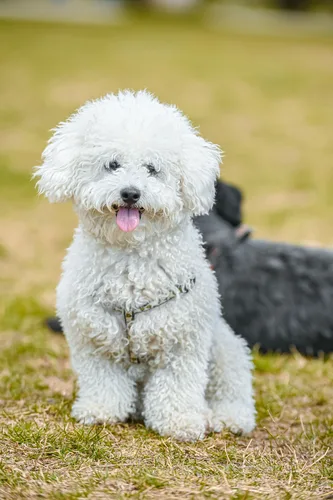
- Bologneselighter, quieter
Compare Pekingese with another breed
Which other breeds might suit me?
Visit the Breeds page: with the filters and the quiz there you can get to know the breeds better.