Origins
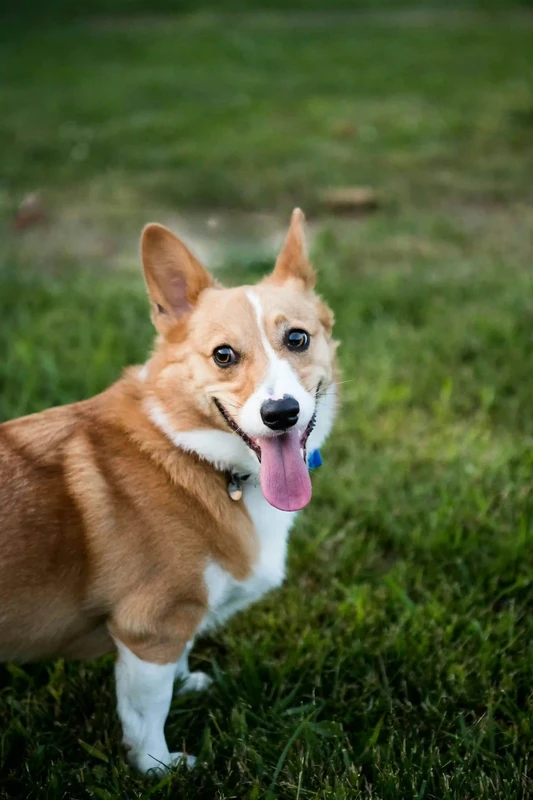
The Pembroke Welsh Corgi is a cattle dog from Pembrokeshire in Wales, where it drove cattle to pasture and market by nipping at their heels. Old Welsh legend says the dogs were a gift from the fairies, and the breed was long kept by farmers as a tough, low-set worker. The two Welsh corgi breeds were separated in 1934, and the Pembroke was recognised internationally. Queen Elizabeth II kept Pembrokes for decades, which made the breed famous around the world.
Lifestyle
Walks: About an hour a day, split into two or three walks. It has plenty of energy and likes to cover ground despite the short legs, and it enjoys exploring new places. Avoid asking for endless jumping or stair-climbing in its daily routine.
Being alone: It manages a few hours when used to it. Bored Corgis bark, dig or make their own games, and the voice is loud for the size. Leave it with a food puzzle and make sure it has had a proper walk before you go.
At home: It suits a flat as long as walks are regular. It likes to be wherever you are and tends to be talkative: barking at the door, at noises and sometimes at nothing in particular. Training a quiet command helps early.
Children: Friendly and playful with kids who treat it kindly. The herding habit of nipping at heels needs to be gently trained out, and children should learn not to chase or grab it.
Other animals: Usually gets on with dogs and cats it knows. It may try to herd them, and can bark at strangers or unfamiliar dogs. Early social experience helps it stay relaxed.
Play and activities: Enjoys fetch, agility, herding games, simple tricks and food puzzles. Training works well with treats, but watch the quantity. It is clever and learns quickly, though it has a mind of its own.
Daily routine: Active periods through the day with plenty of rest. It likes to stay close, from the kitchen to the sofa, and follows its family around. It knows exactly when mealtime is.
Care essentials
Practical advice, not a medical opinion. For any health question, ask your vet.
Coat: Brush two or three times a week, and every day during heavy shedding: the double coat sheds a lot.
Ears, paws and teeth: Check the claws and paws regularly.
Worth knowing: The low belly gets dirty in the rain, so dry it with a towel after a walk. Watch portions and treats: Corgis love their food and put on weight easily. Keep jumping from a height to a minimum.
Back: With the long body and short legs, the spinal discs are vulnerable. Sudden pain, an unsteady gait or reluctance to move is a reason to see the vet immediately.
More about everyday health in the dog health & care guide.
Fun facts
Queen Elizabeth II kept more than thirty Pembroke Welsh Corgis in her lifetime. The first was a dog called Susan, given to her for her 18th birthday in 1944.
According to Welsh legend, Corgis served the fairies as steeds. The pale markings on the shoulders of some dogs were thought to be marks left by magical saddles.
The short legs and low body helped Corgis herd cattle: the dogs nipped at the cows' heels and quickly dodged the kicks.
FAQ
This breed is a great fit if you
- Want a lively, cheerful family dog
- Enjoy walks and simple games
- Do not mind a lot of fur
- Can keep the dog from gaining weight
It may not be a fit if you
- Want a quiet dog that rarely barks
- Dislike dog hair on clothes and furniture
- Are away from home most of the day
- Cannot say no to a begging look
Is it suitable for allergy sufferers?
Noticeable shedding. No dog is completely hypoallergenic: allergens come from saliva, skin and dander, not only from hair. Reactions are individual, so spend time with the dog before you decide and talk to an allergist if you are unsure.
Which breeds are similar to Pembroke Welsh Corgi?
Chosen from all groups: breeds of the same size, ordered by how closely their coat length, coat type and activity level match. The notes show how each breed differs from this one.
- Dreververy similar overall
- American Staffordshire Terrierheavier, quieter
- Bull Terrierheavier
- Portuguese Podengoheavier
- Sloughiheavier, quieter
Compare Pembroke Welsh Corgi with another breed
Which other breeds might suit me?
Visit the Breeds page: with the filters and the quiz there you can get to know the breeds better.