Origins
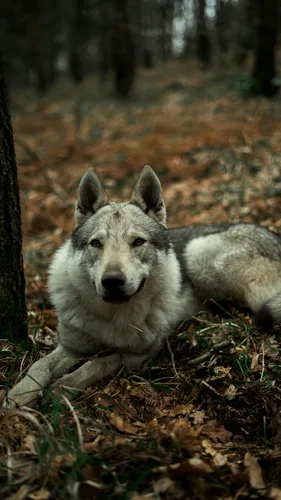
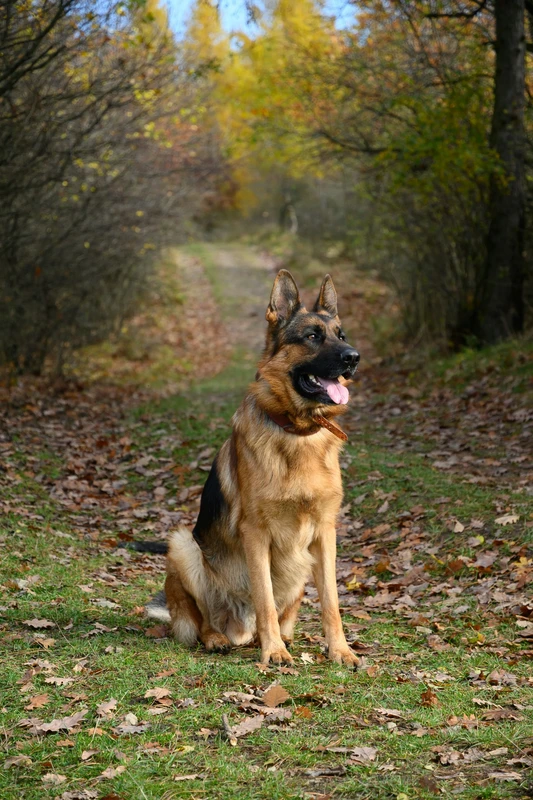
The German Shepherd Dog was founded in 1899 by Max von Stephanitz, who wanted a working herding dog of great intelligence and stamina. He bought the dog Hektor, renamed him Horand von Grafrath, and with the club SV set out to prove the breed's worth in service. The dog spread quickly as a police, military and guide dog, and became famous in both world wars. It was recognised internationally in the early twentieth century and remains one of the most widely used working breeds.
Lifestyle
Walks: Around two hours a day, including a run and some training. It enjoys structured walks with tasks, such as retrieving, searching or practising commands. A shepherd that only gets a quick loop around the block usually finds its own entertainment.
Being alone: It does not do well alone for long. A bored shepherd may bark, dig or chew, and some become anxious when left. Build up time alone slowly and give it a routine to rely on.
At home: Calm and attentive indoors once exercised, and happiest in the same room as its family. It is a natural watchdog and will tell you about anything unusual, so expect it to be vocal at the door.
Children: Devoted and protective with its own children, and often a gentle companion. A big, strong dog still needs supervision around small kids, and visiting children should be introduced calmly.
Other animals: Often fine with other dogs when socialised. It may be reserved with strangers and can chase small animals, so early exposure to people, dogs and places matters a lot.
Play and activities: Obedience, tracking, agility, herding and protection sports suit it. It learns quickly and wants a purpose, so a regular training routine keeps it content.
Daily routine: Active mornings and evenings, with regular rest in between. It loves routine and being useful, and does best when it knows what comes next in the day.
Care essentials
Practical advice, not a medical opinion. For any health question, ask your vet.
Coat: Brush two or three times a week, and every day during the heavy shed twice a year. Bathe rarely so as not to wash the protective layer off the skin. There is plenty of hair all year round, so a good vacuum cleaner comes in handy.
Joints: Large breeds more often have problems with the hip and elbow joints. While the puppy is growing, avoid long runs and jumping, and keep its weight normal throughout its life.
More about everyday health in the dog health & care guide.
Fun facts
A German Shepherd called Rin Tin Tin became one of the biggest film stars of the 1920s. After appearing in films, the dog won huge popularity, and fans sent thousands of letters every week.
In 1928 a German Shepherd named Buddy became the first guide dog in the United States. She helped the blind Morris Frank get around independently and played a part in popularising guide dogs in the country.
Some German Shepherds have a long, fluffy coat. It is a recessive genetic trait, so long-haired puppies can appear even from two short-haired parents if both carry the gene.
FAQ
This breed is a great fit if you
- Want a loyal dog that follows you around the house
- Enjoy training and daily outdoor time
- Are home for a good part of the day
- Do not mind a lot of dog hair
It may not be a fit if you
- Are away from home most of the day
- Dislike shedding and daily vacuuming
- Have no time for early socialisation and training
- Want a dog that welcomes every visitor
Is it suitable for allergy sufferers?
Moderate shedding. No dog is completely hypoallergenic: allergens come from saliva, skin and dander, not only from hair. Reactions are individual, so spend time with the dog before you decide and talk to an allergist if you are unsure.
Which breeds are similar to German Shepherd Dog?
Chosen from all groups: breeds of the same size, ordered by how closely their coat length, coat type and activity level match. The notes show how each breed differs from this one.
- Belgian Shepherd Dogvery similar overall
- Hungarian Wire-Haired Pointerlighter
- Akitacalmer, heavier
- Alaskan Malamutecalmer
- English Settercalmer
Compare German Shepherd Dog with another breed
Which other breeds might suit me?
Visit the Breeds page: with the filters and the quiz there you can get to know the breeds better.