Origins
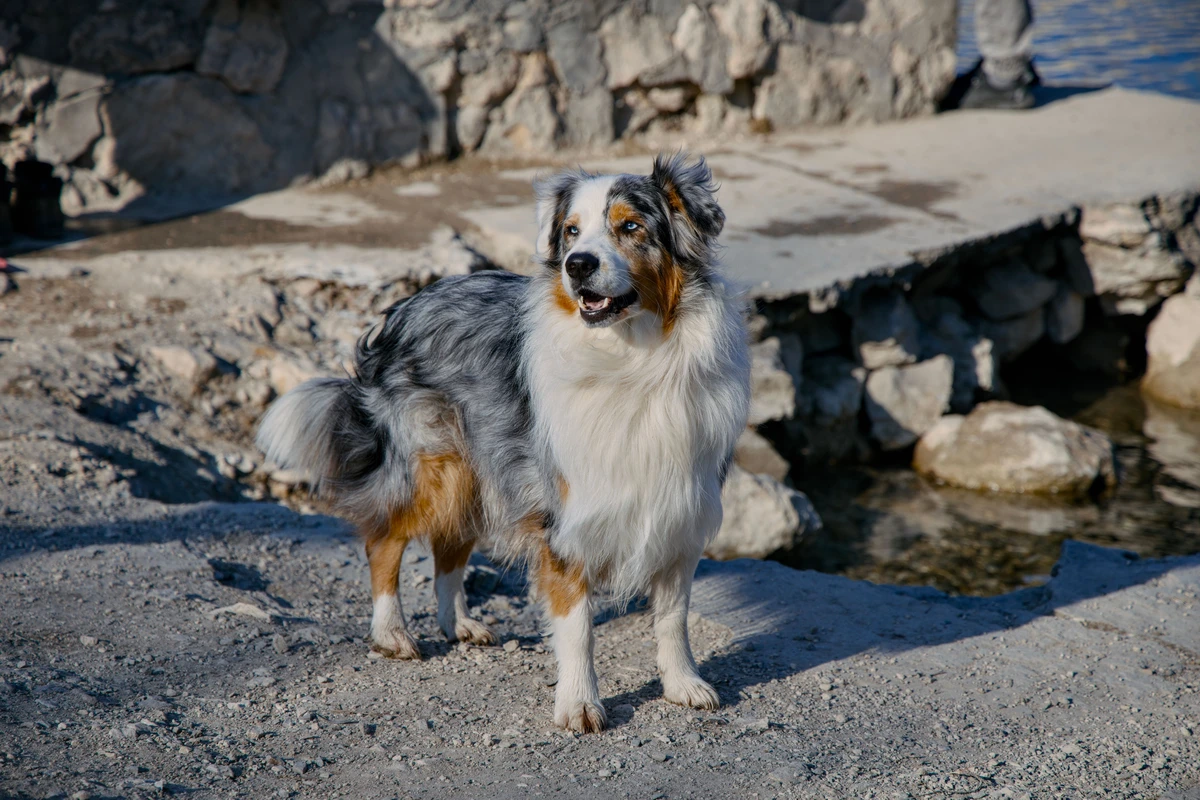
The Australian Shepherd was developed in the western United States, not in Australia, although its ancestors came from Basque and Australian herding dogs. Ranchers needed a dog that could move sheep and cattle over long distances and work in heat, dust and snow. The breed was kept by working families and rodeo performers, and the name came from the livestock and shepherds that arrived with Australian shipments. It was recognised in the United States in 1991 and is now one of the best-known herding breeds.
Lifestyle
Walks: Plan for around two hours a day in total. A stroll on a lead is not enough: the Aussie wants to run, fetch and work its brain. Where it is safe, give it off-lead time, and keep an eye on it near roads, since it likes to keep the family in sight and may try to round up passers-by.
Being alone: A few hours alone is possible once it is used to it, but a bored Aussie finds its own jobs. Digging, barking at the window and herding the furniture are common. Leave it with a chew or a puzzle toy and exercise it well beforehand.
At home: It is happiest in a house with a garden and a family that is around. In a flat it can cope if its exercise really is delivered every day, but it will follow you from room to room and will not accept being ignored.
Children: Devoted and playful with children who respect it. Like many herding dogs, it may nip at heels or try to round up running kids, so teach manners early and supervise games with younger children.
Other animals: Usually fine with dogs it grew up with and often fond of other pets at home. It may try to herd cats and small animals, and some are reserved or pushy with unfamiliar dogs, so introduce new ones calmly.
Play and activities: Agility, obedience, frisbee, herding and trick training suit it well. It learns quickly and is at its best when it has a task: carrying things, finding toys, learning a new trick each week.
Daily routine: An active morning and evening with rest in between. It does best when the day has a rhythm: a long outing, a training session, and then quiet time beside you at home.
Care essentials
Practical advice, not a medical opinion. For any health question, ask your vet.
Coat: Brush the thick double coat several times a week, paying attention to the areas behind the ears, on the hind legs and on the tail, where tangles can form. During seasonal shedding more brushing is needed. After walks through grass and bushes, check the coat for burrs and ticks. After a bath, the undercoat must be dried well.
Ears, paws and teeth: Check the ears regularly, keep the teeth clean and trim the claws.
Worth knowing: Clipping the coat short is not recommended: it protects the dog from the sun and from changes in temperature. Pay special attention to sun protection for the pale areas of the nose and skin where the coat is thin.
Medication: Some dogs of this breed carry the MDR1 gene mutation, which makes certain medicines act more strongly than usual. Tell your vet about the breed and consider a genetic test.
More about everyday health in the dog health & care guide.
Fun facts
Despite its name, the Australian Shepherd developed in the western United States. Its ancestors are thought to have arrived there with sheep brought from Australia and Europe.
Many Australian Shepherds are born with a naturally short tail, which is a genetic trait.
Australian Shepherds became especially popular with American cowboys for their ability to manage livestock. They were often seen at rodeos and shows, where the dogs demonstrated their herding skills and performed tricks.
FAQ
This breed is a great fit if you
- Are active every day and enjoy dog sports, hiking or running
- Like training and will keep teaching new things
- Have a house with a garden or lots of outdoor time
- Want a dog that stays close and watches what you do
It may not be a fit if you
- Work long hours and are away most of the day
- Live in a small flat with little time outdoors
- Want a calm sofa dog
- Dislike a lot of shedding and brushing
Is it suitable for allergy sufferers?
Noticeable shedding. No dog is completely hypoallergenic: allergens come from saliva, skin and dander, not only from hair. Reactions are individual, so spend time with the dog before you decide and talk to an allergist if you are unsure.
Which breeds are similar to Australian Shepherd?
Chosen from all groups: breeds of the same size, ordered by how closely their coat length, coat type and activity level match. The notes show how each breed differs from this one.
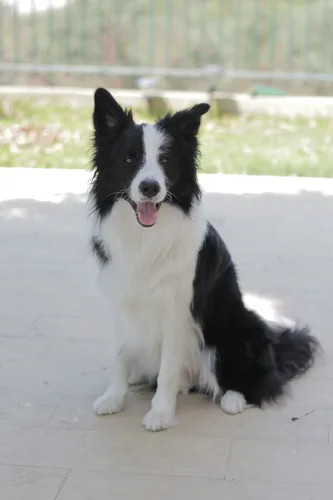
- Border Collielighter
- Kleiner Münsterländervery similar overall
- Siberian Huskybarks more
- American Eskimo Dogcalmer, lighter
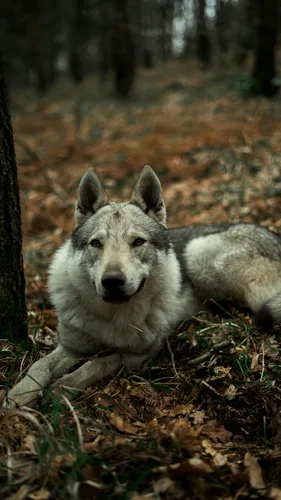
- Czechoslovakian Wolfdogcalmer
Compare Australian Shepherd with another breed
Which other breeds might suit me?
Visit the Breeds page: with the filters and the quiz there you can get to know the breeds better.