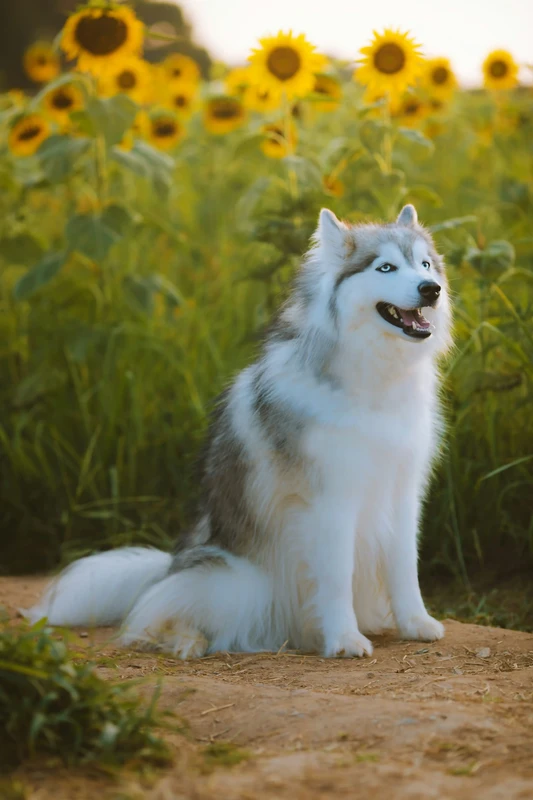
Origins
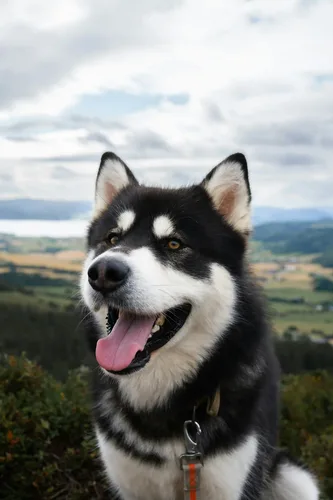
The Siberian Husky was bred by the Chukchi people of north-eastern Siberia to pull light sledges over enormous distances with little food. The dogs lived with the families and were valued for their endurance, friendly nature and thick double coat. They were brought to Alaska in 1909 for sled racing and in 1925 famously carried diphtheria serum to Nome in a relay of teams. The breed was recognised in the United States in 1930 and is now a popular companion and sport dog.
Lifestyle
Walks: Two hours or more a day, with real running: jogging, hiking, cycling or pulling sports. It will pull on the lead and follows prey, so keep it on lead or in a fully fenced space.
Being alone: Long hours alone are a poor idea. A bored husky digs, chews and howls, and may escape.
At home: Friendly, cheerful and clean indoors once it has exercised. It enjoys the family and often talks with howls and "woo-woo" sounds.
Children: Friendly and playful with children, though its energy can bowl over very small kids. Teach children not to run screaming around it and not to tug at its tail, and supervise play with small kids.
Other animals: Often sociable with dogs, but its chase instinct means small animals and cats are at risk. Socialise it early and keep it on a lead around cats, rabbits and other small animals, even if it seems calm.
Play and activities: Sledding, skijoring, canicross, hiking and long runs. Training needs patience and variety.
Daily routine: Active morning and evening, with a long rest in the day. Heavy shedding comes twice a year.
Care essentials
Practical advice, not a medical opinion. For any health question, ask your vet.
Coat: Brush the thick coat two or three times a week, and every day during the heavy shed twice a year. The undercoat is easiest to comb out with a metal "rake" comb.
Worth knowing: Do not clip a Husky with clippers.
More about everyday health in the dog health & care guide.
Fun facts
In 1925 teams of sled dogs relayed diphtheria antitoxin to the city of Nome in Alaska. The lead dog of one of the teams, Balto, became famous, and a statue of him was put up in New York's Central Park.
Many Siberian Huskies have blue or brown eyes, or eyes of different colours: for example, one blue and one brown. This is called heterochromia.
Blue eyes in Huskies are linked to a duplication of a segment of DNA on chromosome 18. This genetic feature affects eye pigmentation and can also show up as heterochromia.
FAQ
This breed is a great fit if you
- Are very active and love running or hiking
- Have a very secure, high fence
- Like an outgoing, friendly dog
- Are home a lot and enjoy a dog that talks
It may not be a fit if you
- Want a dog that stays reliably off lead
- Want a guard dog, as huskies greet everyone
- Cannot give two hours of exercise a day
- Live in hot weather without cooling
Is it suitable for allergy sufferers?
Noticeable shedding. No dog is completely hypoallergenic: allergens come from saliva, skin and dander, not only from hair. Reactions are individual, so spend time with the dog before you decide and talk to an allergist if you are unsure.
Which breeds are similar to Siberian Husky?
Chosen from all groups: breeds of the same size, ordered by how closely their coat length, coat type and activity level match. The notes show how each breed differs from this one.
- Australian Shepherdquieter
- Border Collielighter
- Kleiner Münsterländerquieter
- American Eskimo Dogcalmer, lighter
- Czechoslovakian Wolfdogcalmer, quieter
Compare Siberian Husky with another breed
Which other breeds might suit me?
Visit the Breeds page: with the filters and the quiz there you can get to know the breeds better.