


Summary.
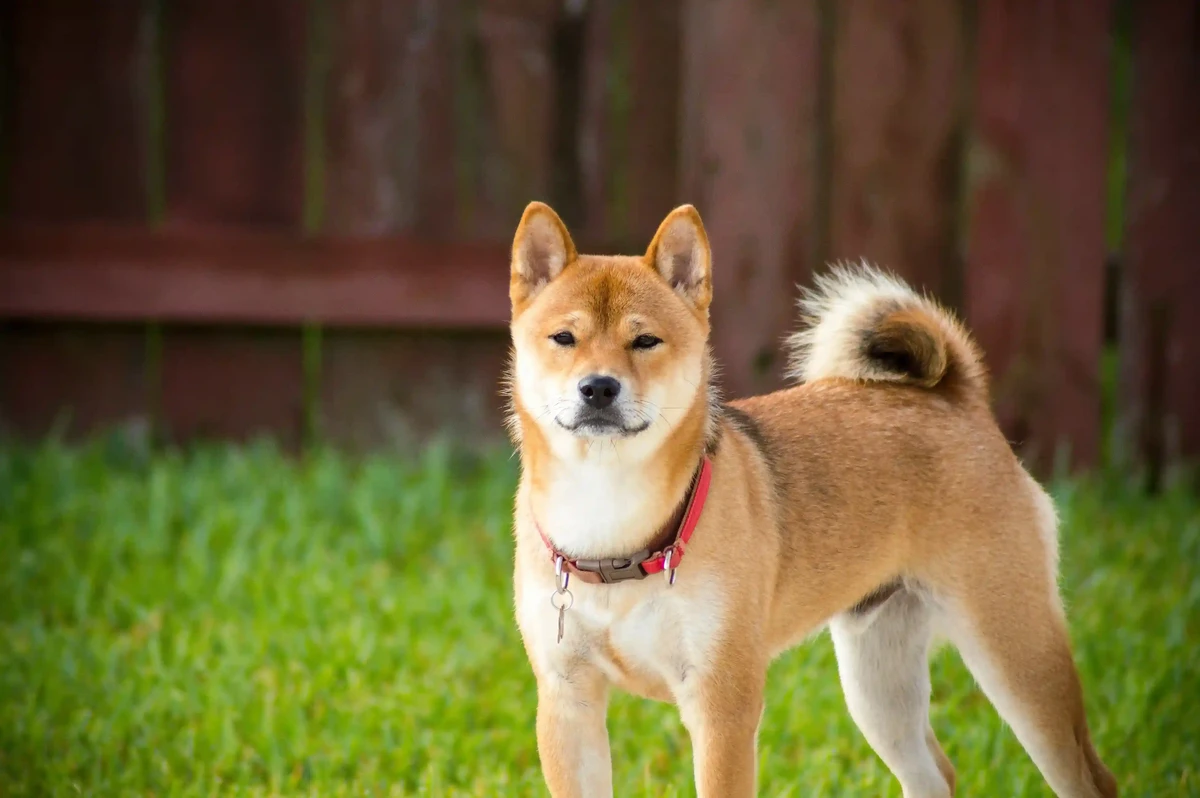
The Akita is a powerful and dignified breed from Japan, known for its unwavering loyalty, calm strength, and noble presence. Once used by Japanese nobility for hunting large game such as bears, boars, and deer, the Akita has a strong prey drive and impressive physical prowess. Beyond their working history, Akitas have become symbols of devotion and protection in Japanese culture — the famous story of Hachikō, an Akita who waited every day for his deceased owner at a train station, exemplifies their legendary loyalty. Akitas are confident, intelligent, and independent, often forming deep bonds with a single person or household.
Care.
Akitas have a dense double coat that sheds heavily twice a year (known as "blowing coat"), during which daily brushing is essential. Outside of shedding season, brushing 2–3 times per week is sufficient to reduce loose hair and maintain healthy skin. Though they are naturally clean and odor-free dogs, occasional baths help keep their coat in top condition. Nail trimming, ear cleaning, and dental care should be part of their regular grooming routine. Akitas benefit from structured daily exercise, including long walks, mental games, and training sessions. They do best with experienced handlers who can provide mental stimulation and leadership without harsh discipline.
Conditions.
Akitas are best suited to homes with securely fenced yards and owners who understand the breed’s strength and independence. Due to their protective instincts and dominance tendencies, they require thorough socialization from an early age — exposure to various people, animals, and situations helps prevent aggression or reactivity. Akitas are typically quiet and not prone to unnecessary barking, but they are alert and will respond to genuine threats. While loyal to their family, they can be aloof or wary with strangers and may show same-sex aggression with other dogs. Akitas thrive in calm, structured environments where they receive consistent training, affection, and responsibility.