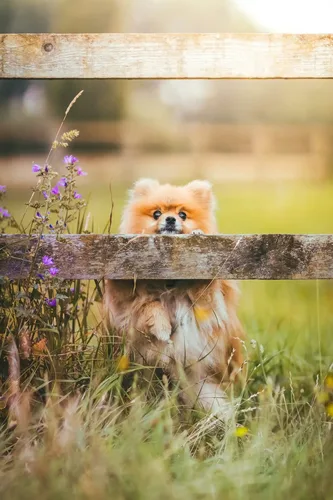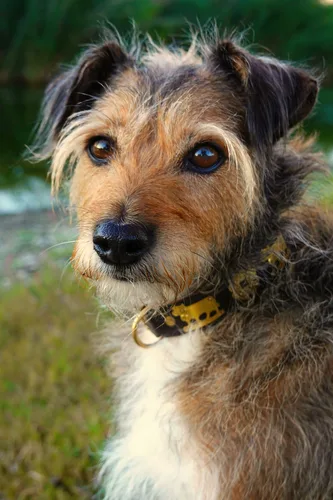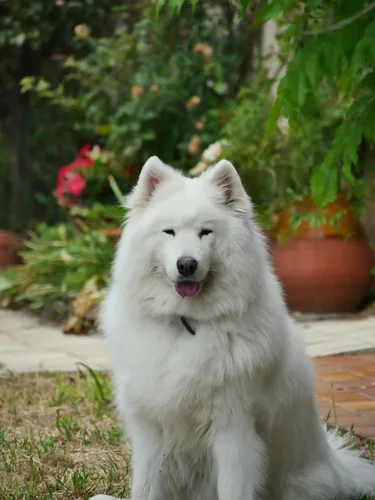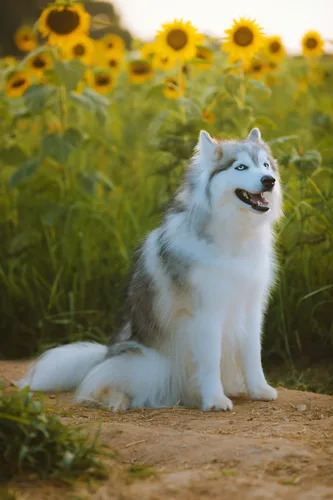
Summary.
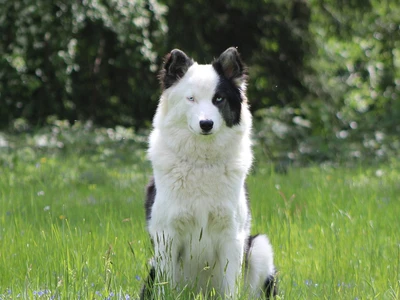
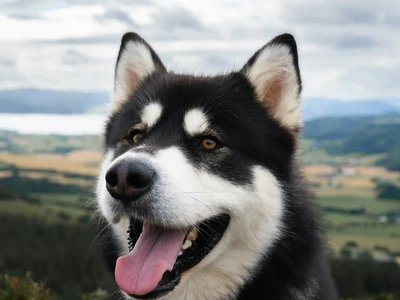
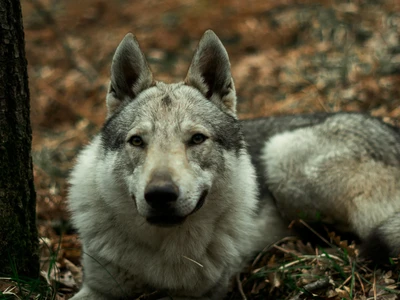
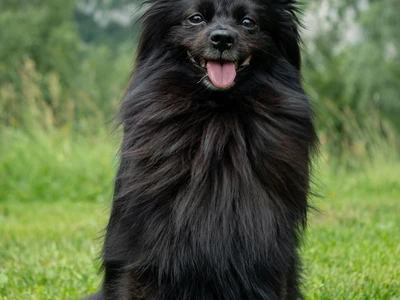
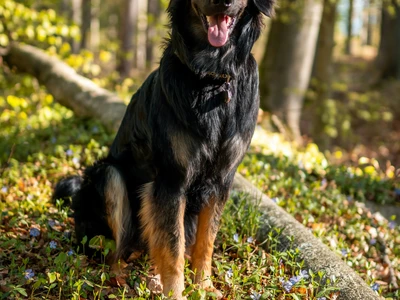
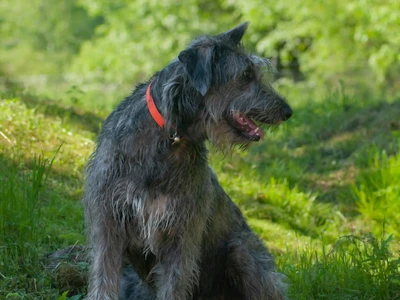
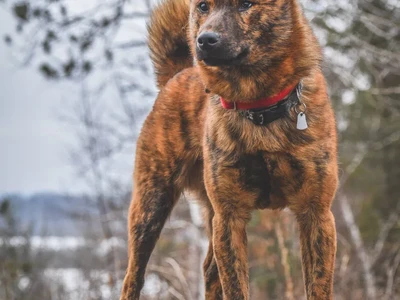
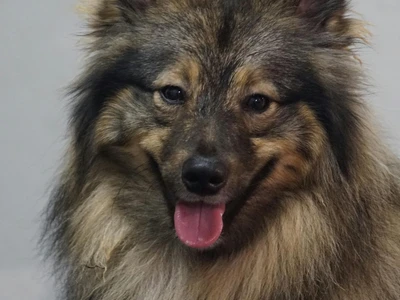
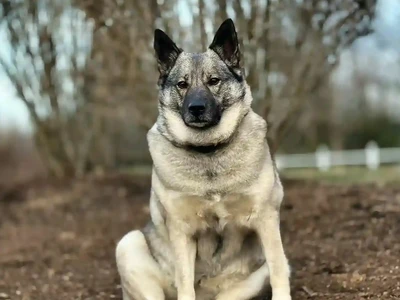
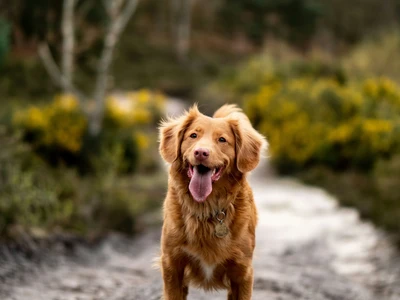
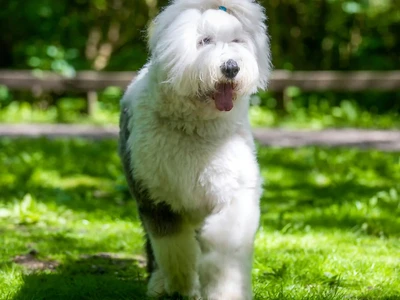
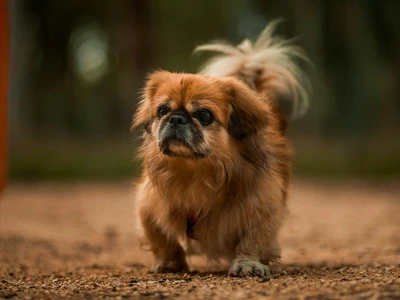
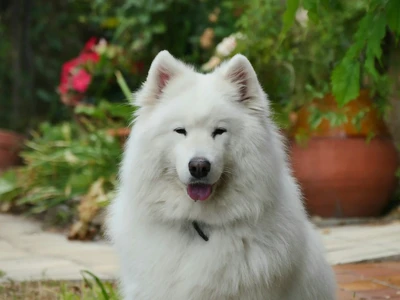
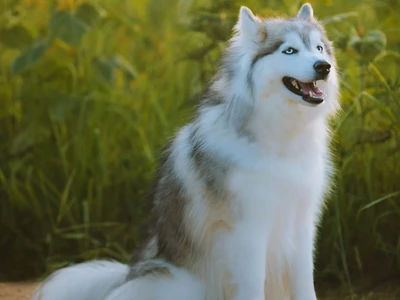
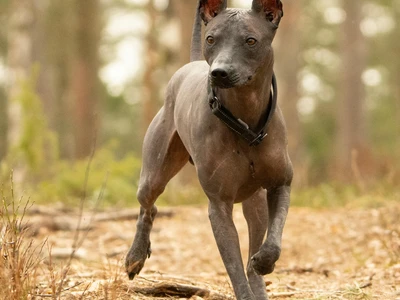
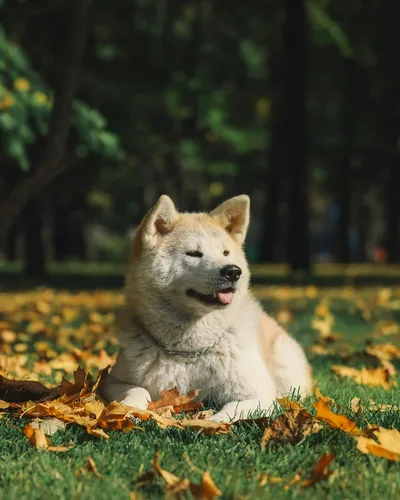
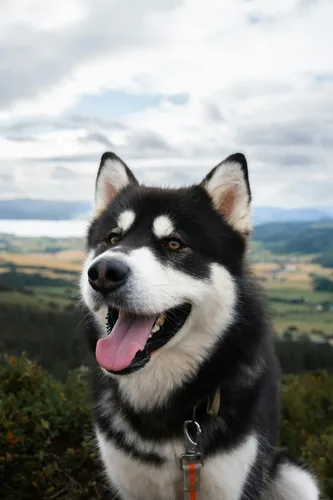
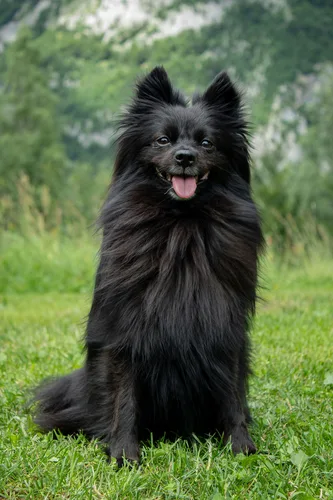
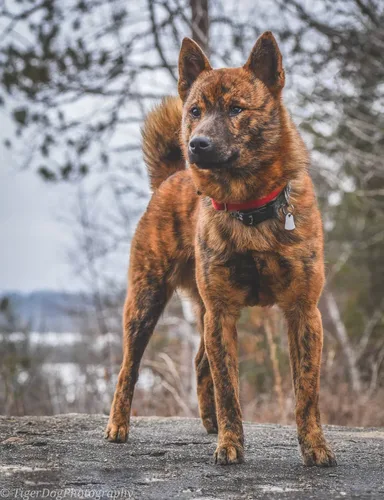
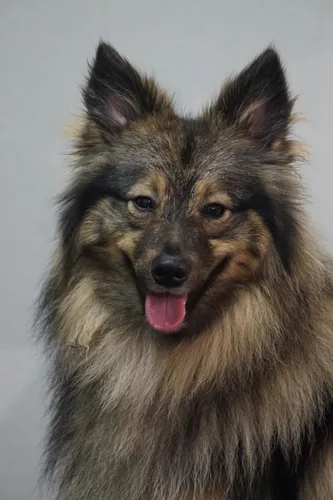
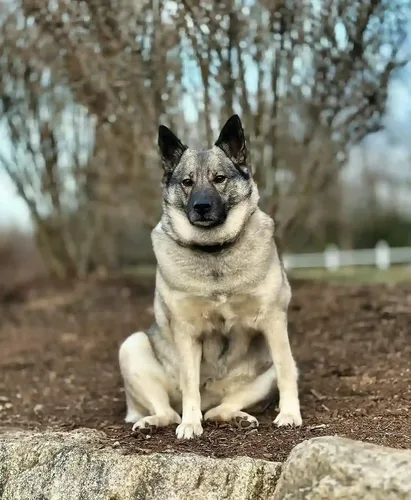
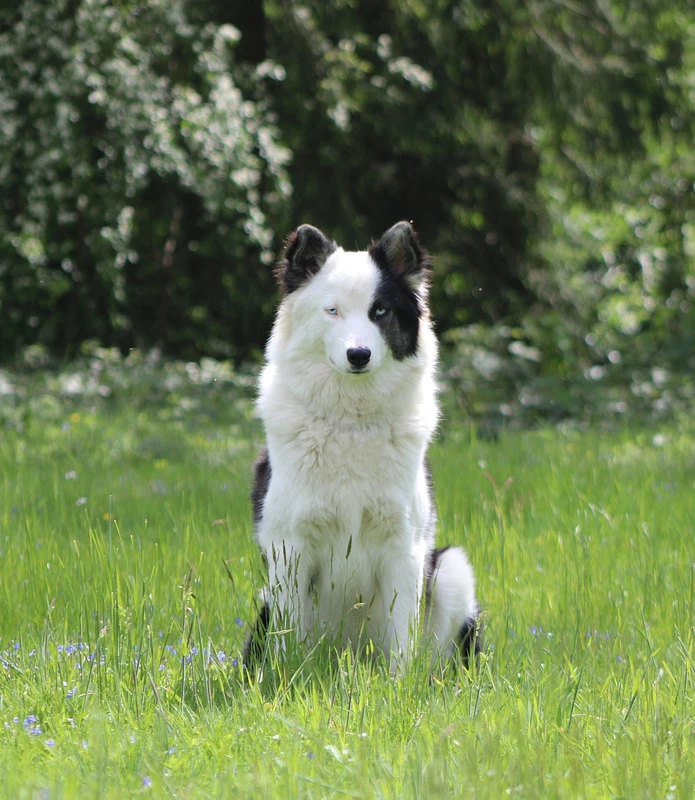
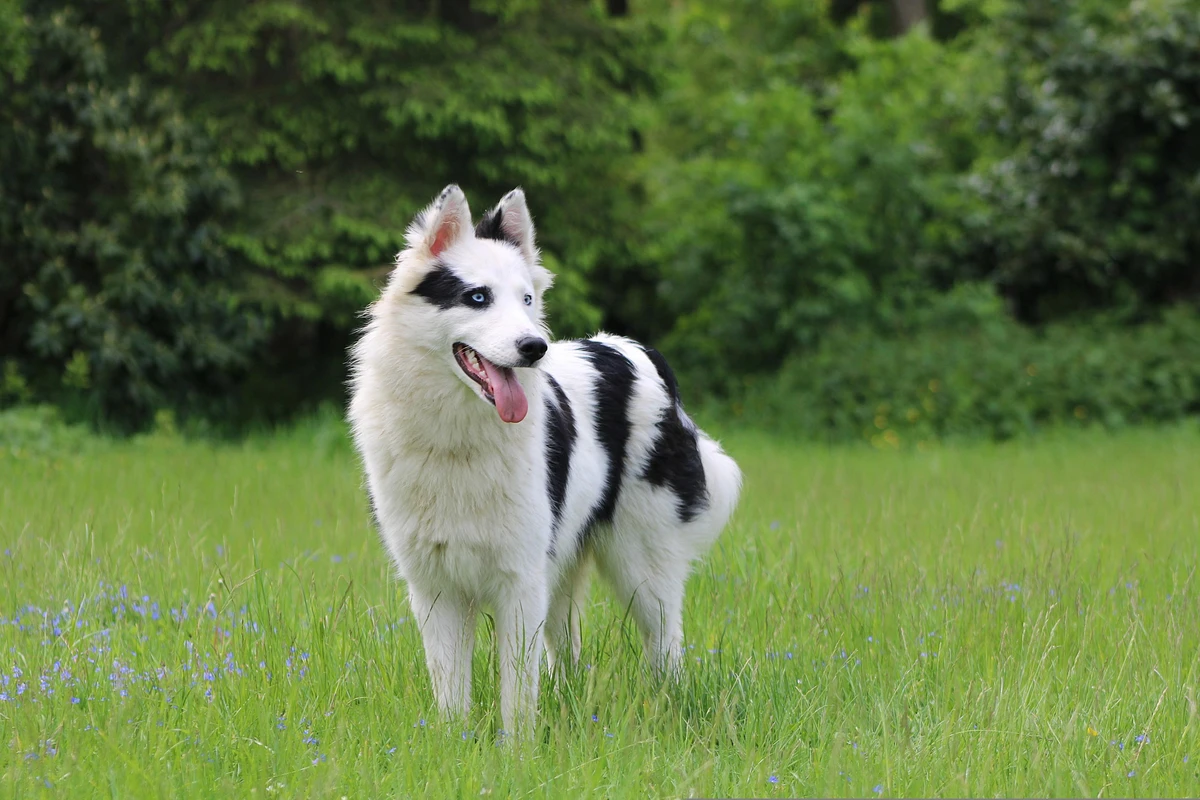
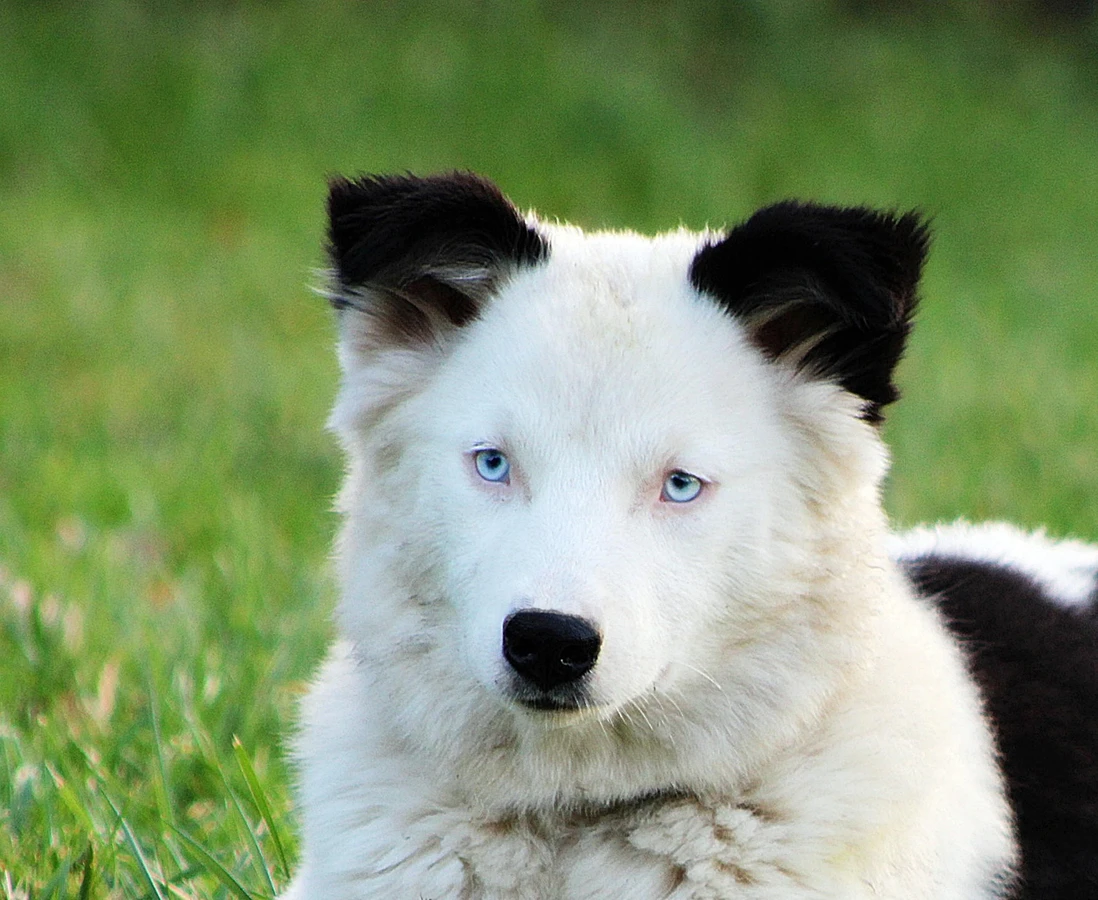
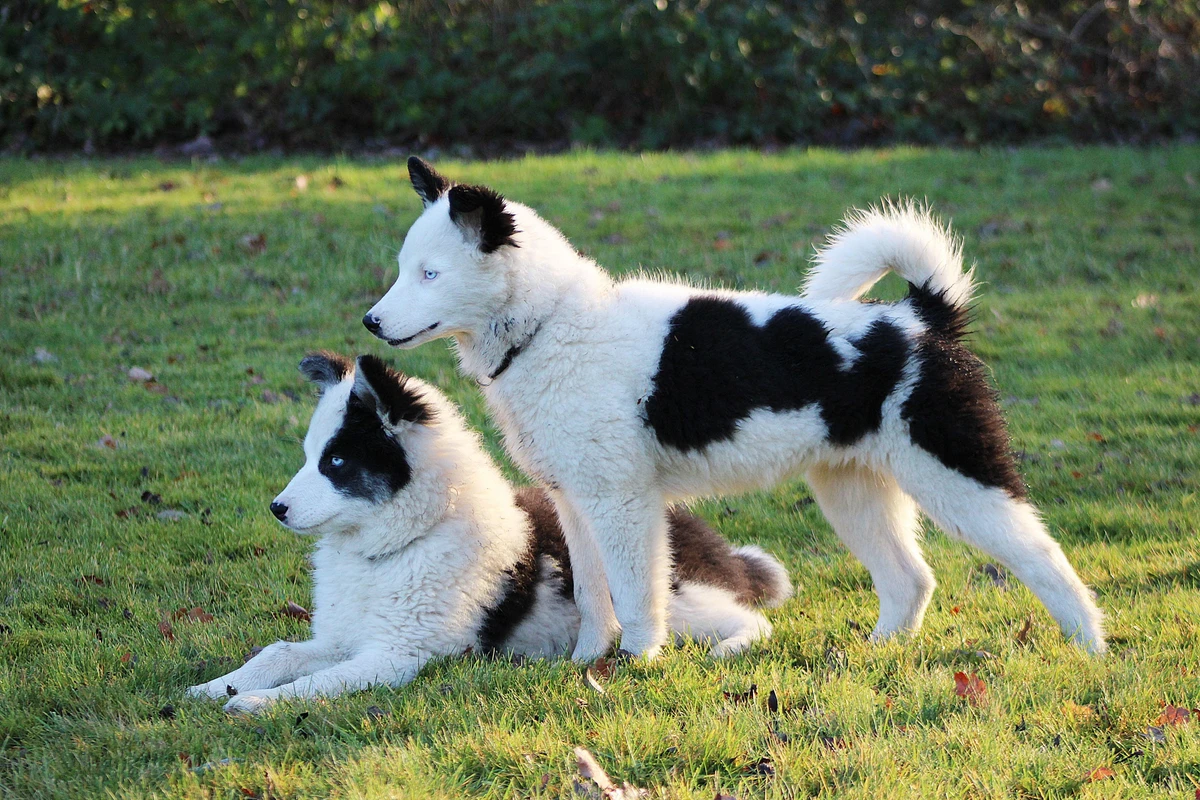
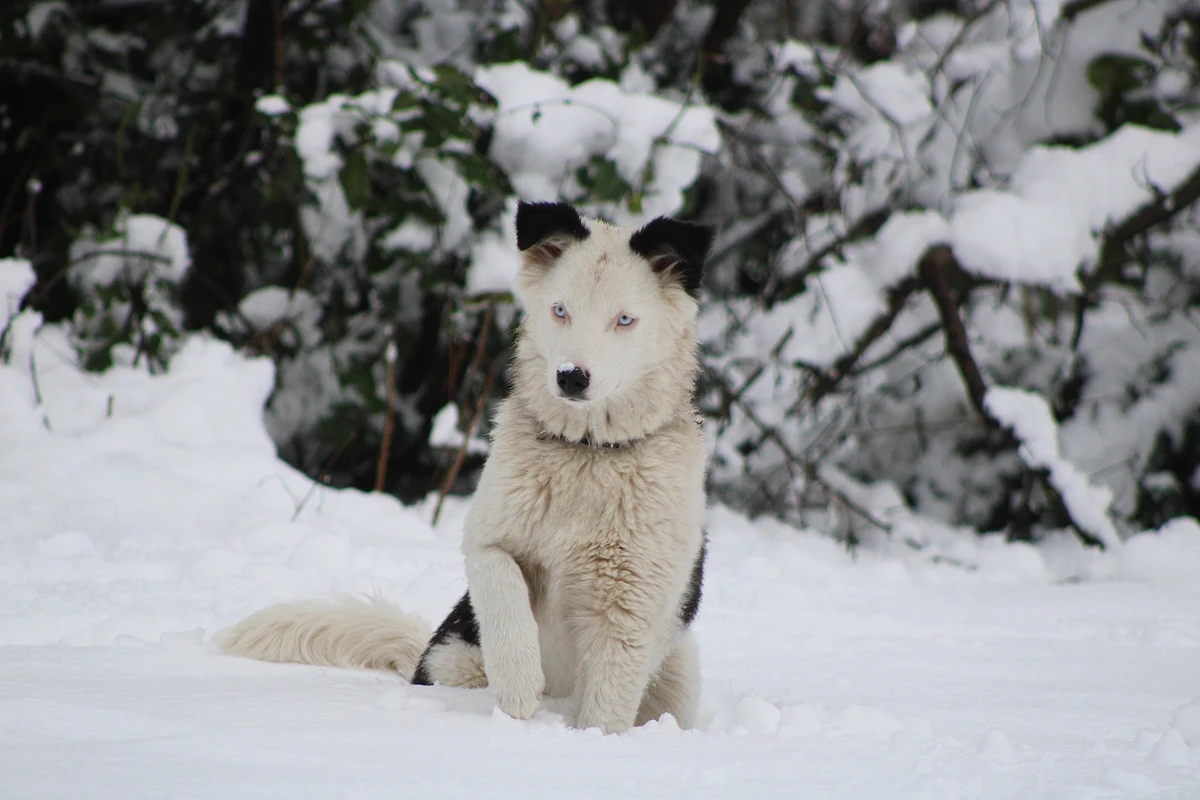
The Yakutian Laika is an ancient Siberian working breed developed for sled pulling, hunting, and survival in extreme Arctic climates. It is a strong, resilient, and highly adaptable dog with a dense double coat designed to protect it from severe cold. Despite its working background, it is known for being affectionate, social, and closely bonded to its family. The breed combines independence with a cooperative nature, making it both capable and responsive when properly guided. It is energetic, intelligent, and thrives in environments where it has a clear purpose or regular activity.
Care.
This breed requires consistent physical exercise such as long walks, running, or active outdoor play. Mental stimulation is equally important due to its working instincts and intelligence. The thick coat needs regular brushing, especially during seasonal shedding periods when undercoat loss is heavy. Training should be calm, consistent, and based on positive reinforcement, as the breed is sensitive but independent. Early socialization is important to balance alertness and manage prey drive.
Conditions.
The Yakutian Laika is best suited for active households with access to outdoor space. It tolerates cold climates very well but can struggle in hot environments without proper management. Apartment living is possible only if daily exercise needs are fully met. The breed prefers companionship and does not handle long isolation well. It is generally good with family members and other dogs when socialized early, but supervision is recommended around small animals due to hunting instincts.