Summary.
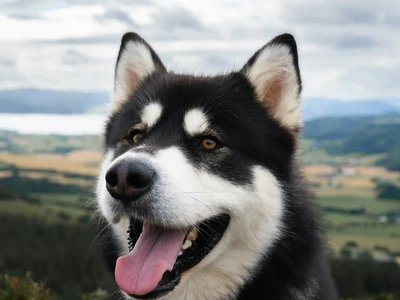
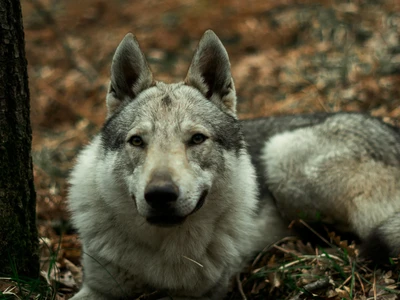
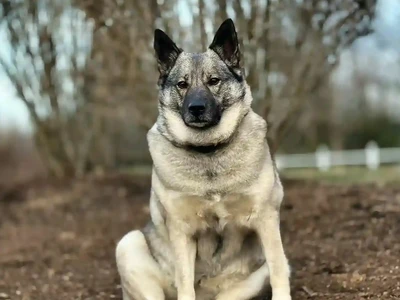
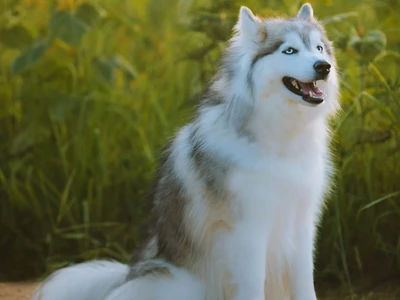
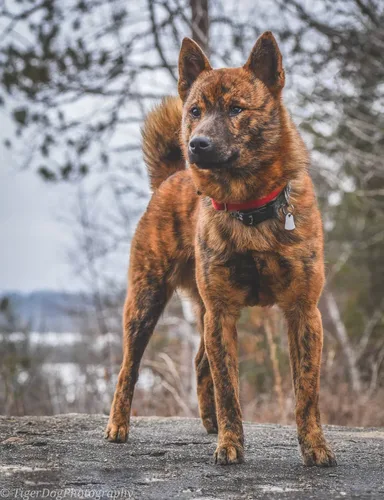
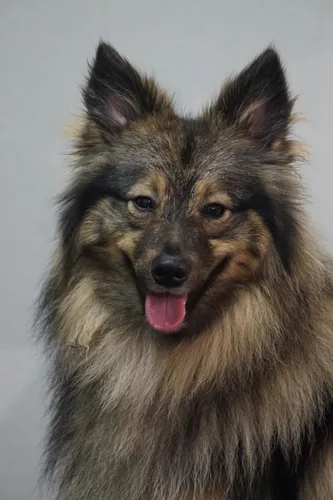
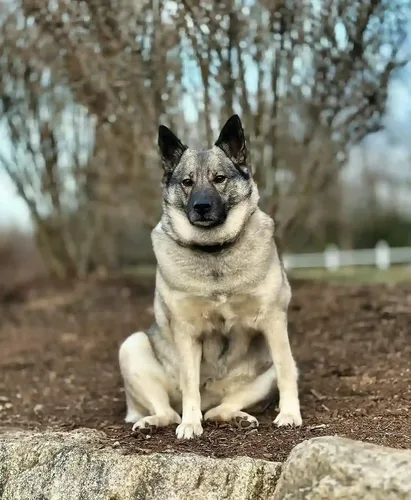
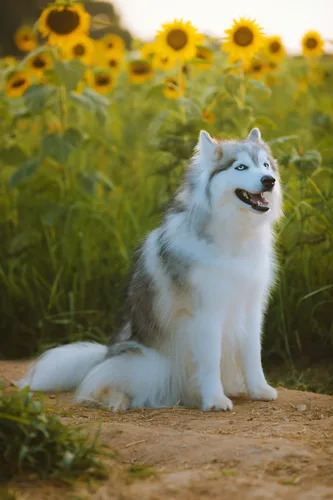
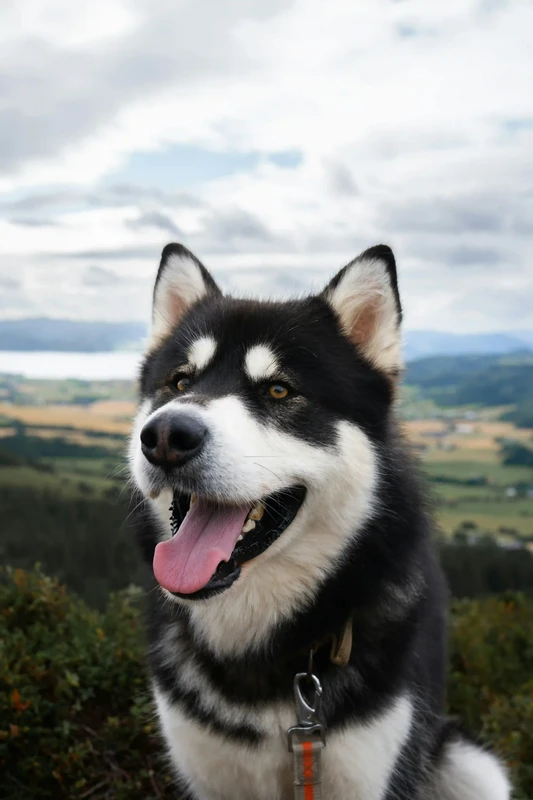
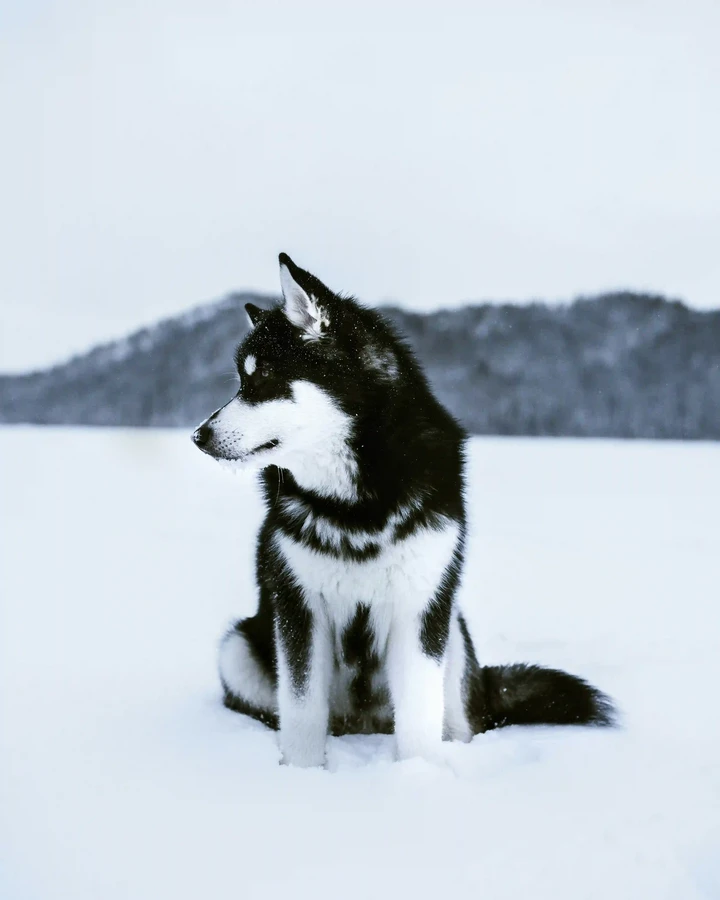
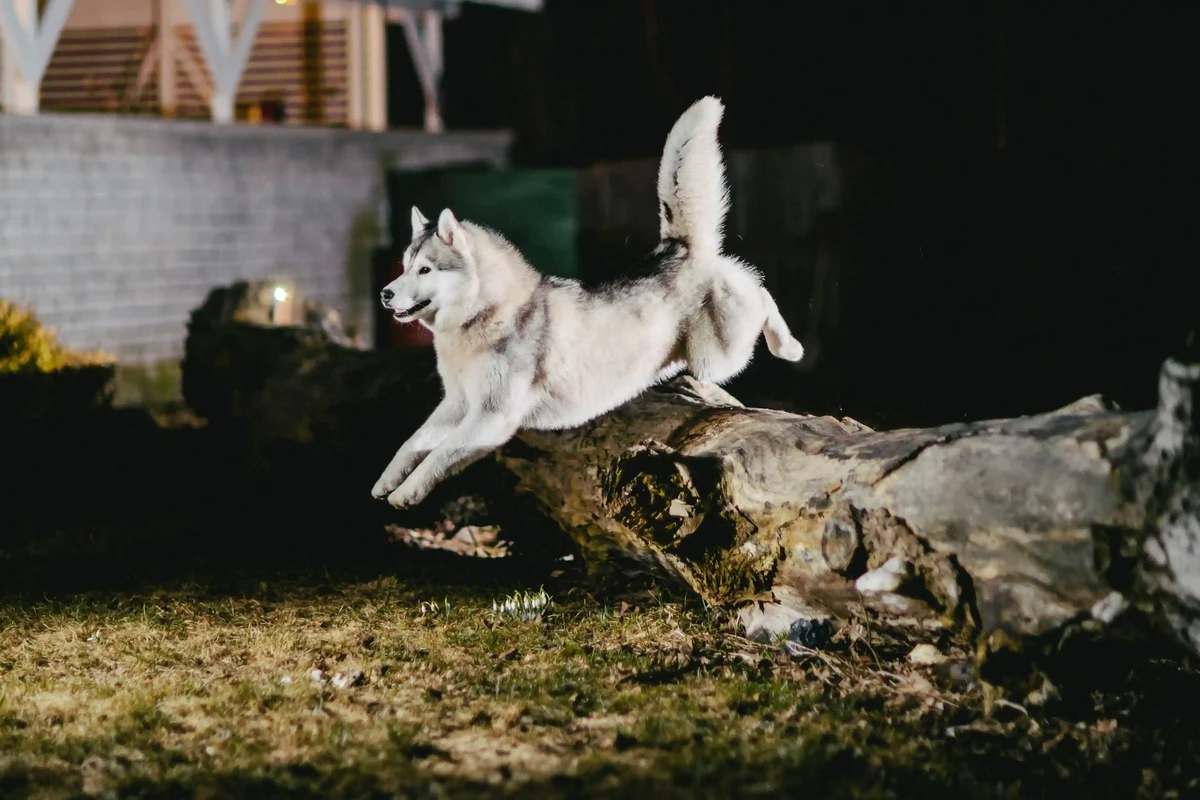
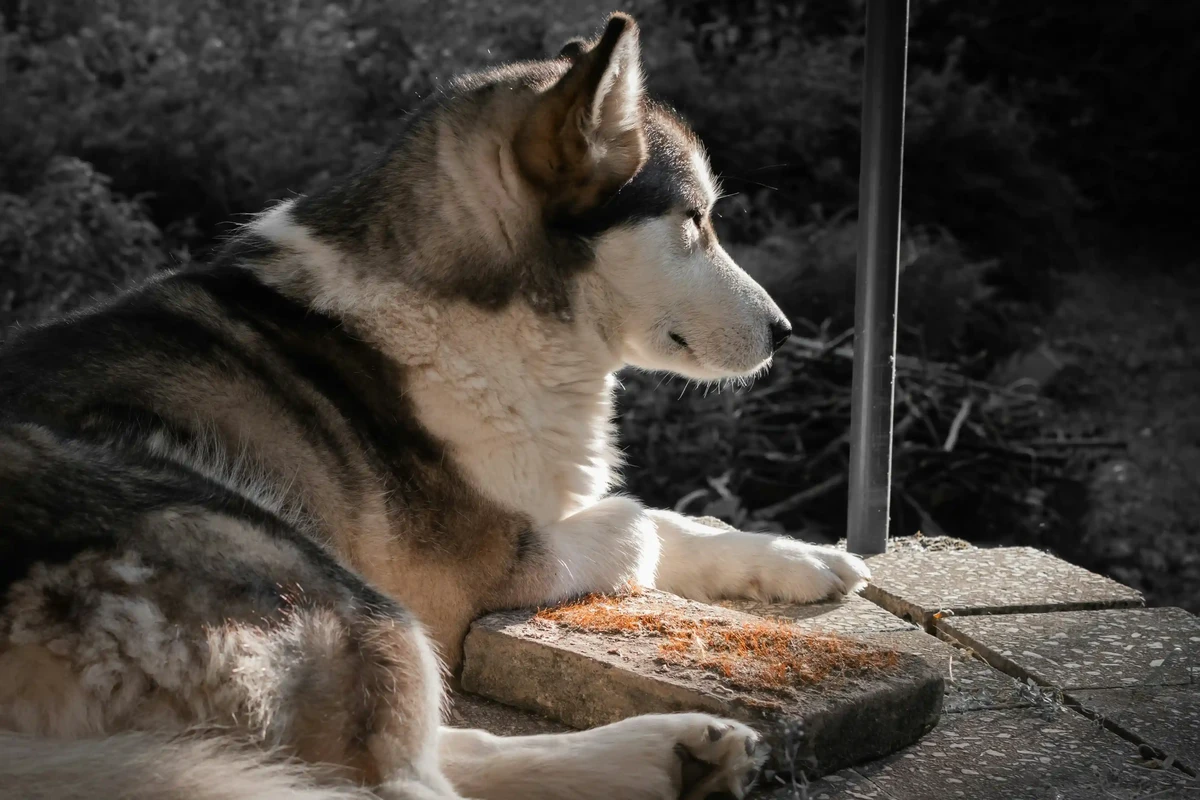
The Alaskan Malamute is a strong and majestic Arctic breed, originally developed by the native Mahlemut tribe of Alaska to haul heavy sleds across long distances. Known for their power, endurance, and resilience in harsh climates, Malamutes are among the oldest sled dog breeds. They are deeply loyal, affectionate with their families, and tend to be friendly with people, though more independent than other working breeds. Despite their imposing build and wolf-like appearance, Malamutes are not natural guard dogs — they are typically social, playful, and enjoy being part of a pack, whether human or canine.
Care.
Alaskan Malamutes possess a thick, weather-resistant double coat that requires regular grooming, especially during seasonal shedding (spring and fall), when daily brushing is often necessary. Outside of those times, brushing a few times a week helps reduce matting and shedding. Regular bathing, nail trimming, and ear cleaning are important, but Malamutes are generally clean dogs with little odor. They need a lot of exercise to remain mentally and physically balanced — long walks, hiking, pulling activities like carting or sledding, and puzzle-based games are ideal. Without sufficient stimulation, they can become bored and destructive.
Conditions.
Malamutes are happiest in cold climates and environments with plenty of space to roam — they are not suited for hot or humid areas or apartment living. A securely fenced yard is a must, as they are known escape artists and diggers. They may have a strong prey drive, so interactions with smaller pets should be closely monitored. While good with older children and active families, they require firm, consistent training and socialization from a young age to channel their strength and independence positively. This breed thrives with experienced owners who can provide leadership, companionship, and the vigorous activity they crave.