Origins
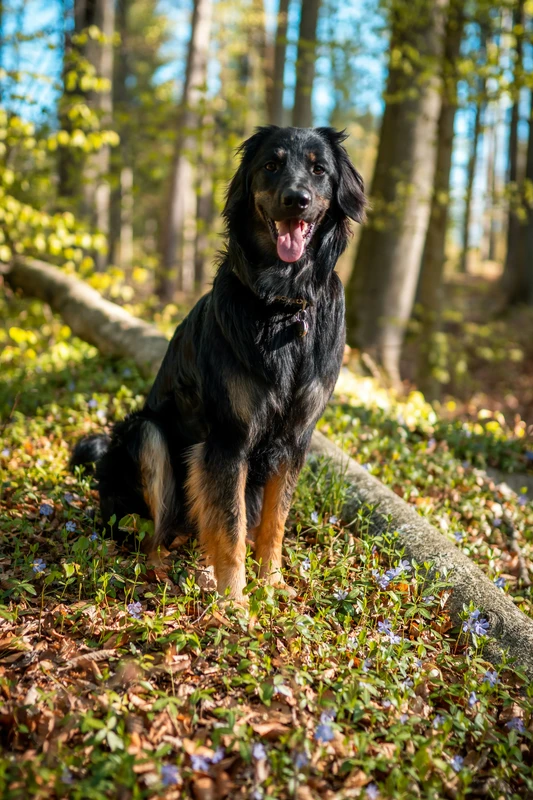
The Hovawart is an old German farm dog whose name means keeper of the yard, and dogs of this type are mentioned in German law codes of the Middle Ages. The modern breed was rebuilt in the 1920s by breeders who searched the Black Forest and Harz regions for dogs that matched the old descriptions. They were crossed with German Shepherds, Newfoundlands and Leonbergers to fix the type. Germany recognised the Hovawart in 1937, and it is still kept mainly as a working guardian and family dog.
Lifestyle
Walks: About two hours a day, including long walks and some off-lead time where it is safe. It enjoys hiking, swimming and being outdoors in any weather.
Being alone: A Hovawart bonds closely with its family and does not like to be alone for long. Without enough company, it may bark or dig.
At home: Calm in the house after exercise. A garden and a view of the street keep it content, and it likes to know who is coming and going.
Children: Gentle and protective with the family's children. It is big and strong, so supervise play with smaller kids.
Other animals: Often reserved with strangers and with unfamiliar dogs. It generally gets on with household pets if introduced early.
Play and activities: Tracking, search games, obedience, hiking and swimming suit it. It likes to have a job and learns best from patient training.
Daily routine: Active outings in the morning and evening and a calm day in between. It thrives on routine and time with its family.
Care essentials
Practical advice, not a medical opinion. For any health question, ask your vet.
Coat: Brush the long, slightly wavy coat two or three times a week, and every day when it sheds. Occasionally trim the hair on the "breeches" and tail.
Ears, paws and teeth: After walks, wipe the paws and check the coat for burrs.
Joints: Large breeds more often have problems with the hip and elbow joints. While the puppy is growing, avoid long runs and jumping, and keep its weight normal throughout its life.
More about everyday health in the dog health & care guide.
Fun facts
The breed's name comes from the Middle High German words Hova ("yard", "farmstead") and Wart ("guardian"). Hovawarts were bred to guard homes and farms, and such dogs are mentioned in medieval German laws.
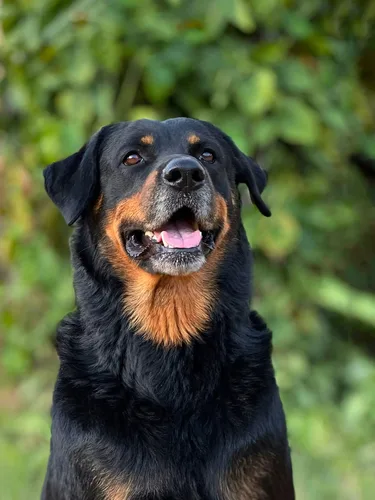
Hovawarts have three recognised colours: black, black and tan, and blond, from pale golden to a rich reddish shade.
The modern breed was restored in Germany in the 20th century. One of the main centres of its formation was the Black Forest region, where enthusiasts looked for dogs resembling the old Hovawarts.
FAQ
This breed is a great fit if you
- Have a house with a garden and time for long walks
- Want a loyal, watchful family dog
- Are patient with a slowly maturing dog
- Are at home for much of the day
It may not be a fit if you
- Are getting your first dog
- Live in a small flat
- Are away from home most of the day
- Want a dog that welcomes every visitor
Is it suitable for allergy sufferers?
Heavy shedding. No dog is completely hypoallergenic: allergens come from saliva, skin and dander, not only from hair. Reactions are individual, so spend time with the dog before you decide and talk to an allergist if you are unsure.
Which breeds are similar to Hovawart?
Chosen from all groups: breeds of the same size, ordered by how closely their coat length, coat type and activity level match. The notes show how each breed differs from this one.
- Akitavery similar overall
- Alaskan Malamutebarks more
- Belgian Shepherd Dogmore energetic, lighter
- English Settercalmer, lighter
- German Shepherd Dogmore energetic, barks more
Compare Hovawart with another breed
Which other breeds might suit me?
Visit the Breeds page: with the filters and the quiz there you can get to know the breeds better.