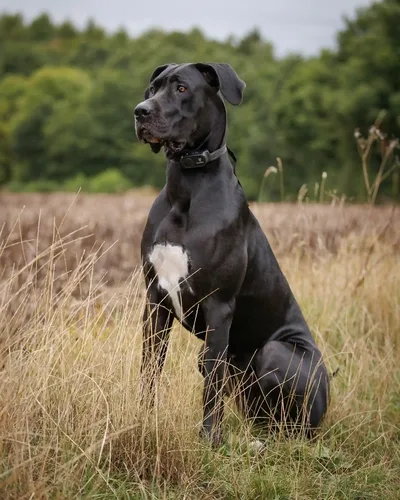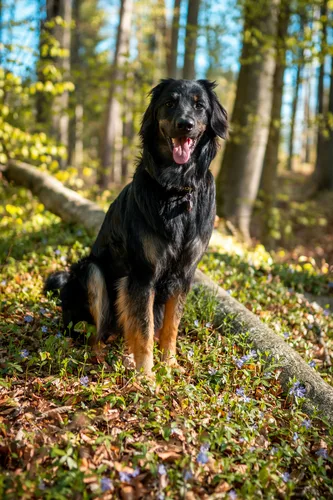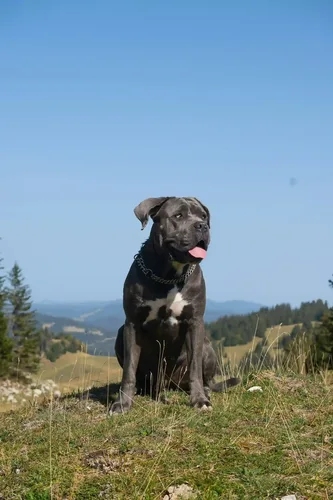
Origins
The Dobermann was created in the 1890s by Karl Friedrich Louis Dobermann, a German tax collector and dog catcher from Apolda. He needed a fearless, intelligent guard that could accompany him on dangerous rounds, and built the breed from several guarding and hunting types. The first breed club appeared in 1899, and the dog spread quickly as a police and military working breed. It was recognised internationally in the early twentieth century and remains one of the most respected protection and service dogs.
Lifestyle
Walks: About two hours a day, including a run. It loves speed and does well beside a bike or on a long line. Walks in the cold need a jacket.
Being alone: A Dobermann is deeply attached to its people and does not like to be alone for long. Without company it may become anxious or destructive.
At home: Calm and affectionate indoors after exercise. It likes to lie close to you or lean against your legs, and it watches the home and the door.
Children: Loyal and protective with its family, and gentle with children it knows. Its size and strength mean that games with small children should be supervised.
Other animals: Often friendly with dogs it grew up with, but can be wary of unfamiliar ones. Socialise early and meet new animals calmly.
Play and activities: Obedience, agility, tracking and running sports suit it. It learns very quickly and responds best to calm, consistent training and plenty of praise.
Daily routine: An active morning, a rest, and an evening outing. It does best with a stable routine and regular time with its person.
Care essentials
Practical advice, not a medical opinion. For any health question, ask your vet.
Coat: The short, smooth coat only needs brushing once a week. A soft mitt is the most convenient: it removes dead hair and the dog enjoys it.
Ears, paws and teeth: Check the claws and teeth once a week.
Worth knowing: It has almost no undercoat, so it feels the cold: in winter put a coat on it and give it a warm place to sleep.
Heart: Dobermanns are diagnosed with dilated cardiomyopathy, a disease of the heart muscle, more often than other breeds. Have the heart checked by the vet regularly, especially after middle age.
Stomach: Large deep-chested dogs can suffer from bloat (gastric torsion). Feed small portions and avoid active play right after meals; a swollen, hard belly, restlessness and unproductive retching are a reason to go to the vet urgently.
More about everyday health in the dog health & care guide.
Fun facts
Dobermanns have an unusually well-developed sense of hearing and notice quiet sounds that people may not hear. That is why they often become alert at even a barely audible noise.
The Dobermann has a short coat with a very sparse undercoat. It is therefore sensitive to cold, often needs warm clothing in winter, and at home often looks for a spot close to a source of heat.
Dobermanns are sometimes called "Velcro dogs": they bond strongly with their people, like to be nearby and often follow their owner from room to room.
FAQ
This breed is a great fit if you
- Are active and want a partner for runs and training
- Want a loyal dog that stays close
- Have experience with large, energetic dogs
- Can give it daily attention and a warm place indoors
It may not be a fit if you
- Are away from home most of the day
- Live in a very cold climate and cannot dress the dog warmly
- Do not have time for daily exercise and training
- Want a dog that welcomes every stranger
Is it suitable for allergy sufferers?
Noticeable shedding. No dog is completely hypoallergenic: allergens come from saliva, skin and dander, not only from hair. Reactions are individual, so spend time with the dog before you decide and talk to an allergist if you are unsure.
Which breeds are similar to Dobermann?
Chosen from all groups: breeds of the same size, ordered by how closely their coat length, coat type and activity level match. The notes show how each breed differs from this one.
- Bluetick Coonhoundvery similar overall
- English Pointerlighter
- German Shorthaired Pointerlighter
- Hungarian Short-Haired Pointer (Vizsla)lighter
- Treeing Walker Coonhoundlighter
Compare Dobermann with another breed
Which other breeds might suit me?
Visit the Breeds page: with the filters and the quiz there you can get to know the breeds better.