Origins
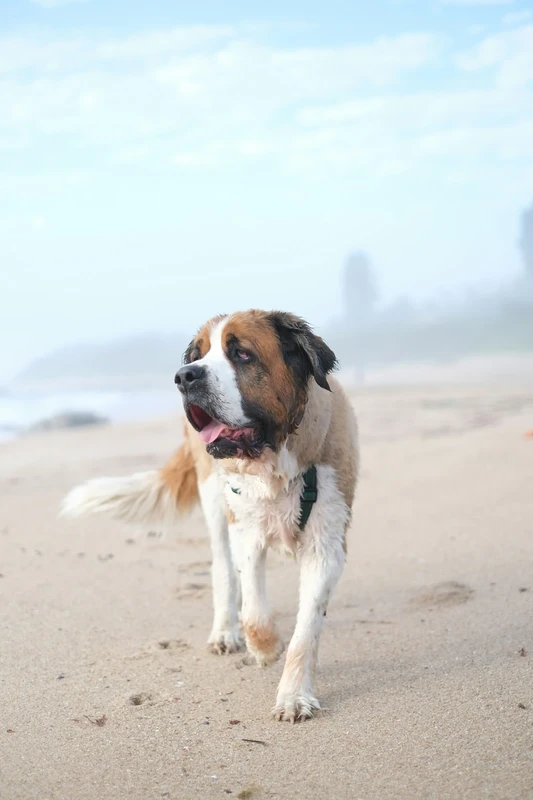
The Saint Bernard takes its name from the hospice founded in the eleventh century by Bernard of Menthon high in the Swiss Alps. The monks kept large mountain dogs to guard the pass, and from the seventeenth century they used them to find travellers lost in snow. The most famous of all, Barry, is said to have saved more than forty people, and dogs are still associated with the brandy barrel of legend. The breed was standardised in Switzerland in 1884 and is the national dog of Switzerland.
Lifestyle
Walks: About an hour a day in total, in a couple of easy walks. It prefers a steady stroll to running, and loves cold weather and snow. In summer go out early or late.
Being alone: It does not like long hours alone. Left bored, it may whine, dig or chew, and with a dog this big the damage is not small.
At home: Calm in the house, mostly lying on a cool floor. It needs space for its size and a place away from heat. Be ready for drool on furniture and floors.
Children: Very patient and gentle with children. Its size can knock small kids over by accident, so supervise play.
Other animals: Usually friendly with other dogs and pets. Early socialisation keeps it relaxed with everyone, including cats.
Play and activities: Easy walks, simple obedience and gentle games suit it. Training should be patient, as it learns at its own pace and responds to kindness.
Daily routine: Calm days with short outings and long rests. It enjoys routine and company, and likes to sleep near its family.
Care essentials
Practical advice, not a medical opinion. For any health question, ask your vet.
Coat: Brush the coat two or three times a week, and every day when it sheds, especially on long-haired dogs. Brush the long hair on the "trousers" and tail particularly thoroughly: it collects dirt.
Ears, paws and teeth: After meals, wipe the muzzle and mouth: drool is normal. Wipe the paws after walks.
Worth knowing: Avoid heat and provide a cool place to rest.
Stomach: Large deep-chested dogs can suffer from bloat (gastric torsion). Feed small portions and avoid active play right after meals; a swollen, hard belly, restlessness and unproductive retching are a reason to go to the vet urgently.
Joints: Large breeds more often have problems with the hip and elbow joints. While the puppy is growing, avoid long runs and jumping, and keep its weight normal throughout its life.
More about everyday health in the dog health & care guide.
Fun facts
The legendary Saint Bernard called Barry lived at the hospice on the Great St Bernard Pass in the early 19th century. He is credited with saving about 40 people who had got lost in the mountains. Today his mounted body is kept in the Natural History Museum in Bern.
The image of the Saint Bernard with a brandy barrel round its neck comes from Edwin Landseer's painting "Alpine Mastiffs Reanimating a Distressed Traveller", painted in 1820. However, there is no evidence that rescue dogs actually wore such barrels.
The popularity of Saint Bernards grew in many countries thanks to the comedy "Beethoven" (1992) and its sequels. The film's hero is a huge, good-natured Saint Bernard who keeps getting into funny situations.
FAQ
This breed is a great fit if you
- Have a spacious home and a large car
- Want a calm, patient family dog
- Enjoy cool weather and relaxed walks
- Do not mind drool
It may not be a fit if you
- Live in a warm climate or a small flat
- Dislike drool and fur
- Are away from home most of the day
- Cannot handle a very large, heavy dog
Is it suitable for allergy sufferers?
Noticeable shedding. No dog is completely hypoallergenic: allergens come from saliva, skin and dander, not only from hair. Reactions are individual, so spend time with the dog before you decide and talk to an allergist if you are unsure.
Which breeds are similar to Saint Bernard?
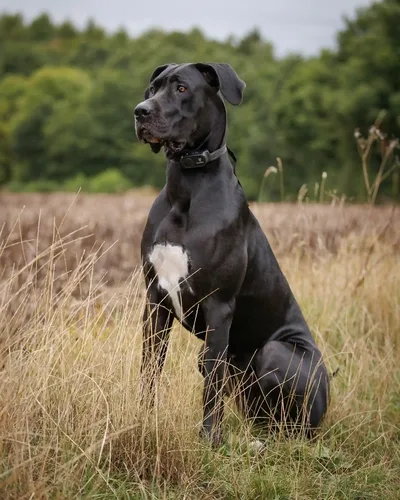
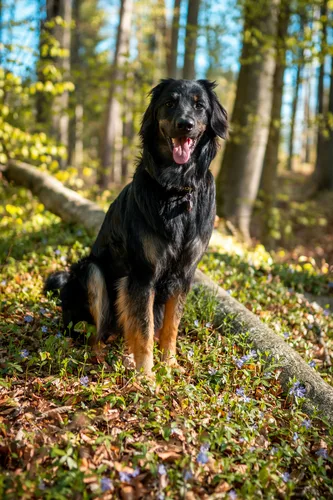
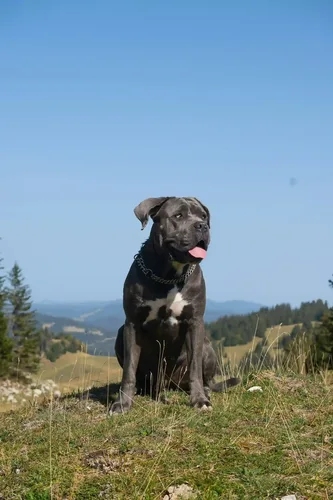
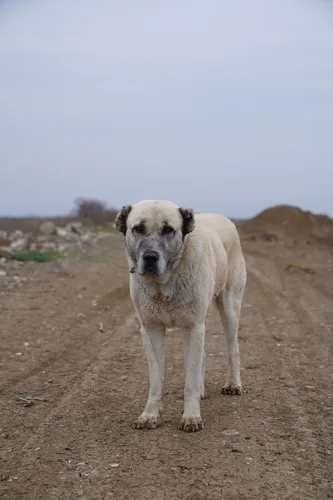
Chosen from all groups: breeds of the same size, ordered by how closely their coat length, coat type and activity level match. The notes show how each breed differs from this one.
- Dutch Shepherd Dogmore energetic, lighter
- American Bulldogmore energetic, lighter
- Bloodhoundmore energetic, lighter
- Bluetick Coonhoundmore energetic, lighter
- Boerboelmore energetic
Compare Saint Bernard with another breed
Which other breeds might suit me?
Visit the Breeds page: with the filters and the quiz there you can get to know the breeds better.