Origins
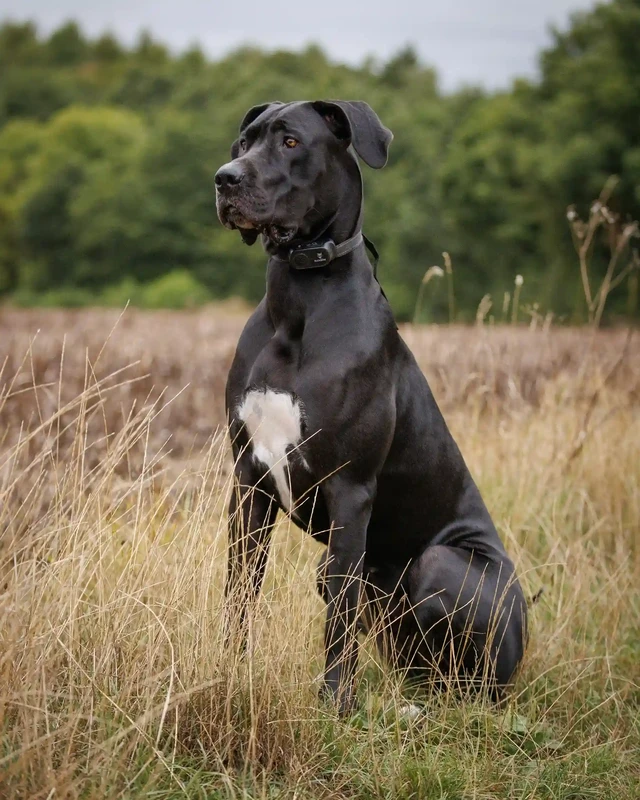
The Great Dane was developed in Germany from old mastiff and hunting dogs, and German breeders fixed the modern type in the late nineteenth century. Despite its English name, the breed is German: it was called the Deutsche Dogge, and in 1880 a committee in Berlin agreed on the first standard. The dog was bred to hunt boar on horseback and to guard estates, and its height and calm bearing earned it the nickname Apollo of Dogs. It was recognised internationally in the early twentieth century.
Lifestyle
Walks: About an hour and a half a day in total, in two or three walks. A Great Dane enjoys long, easy strolls more than fast running. Young dogs should not be pushed to run a lot.
Being alone: A few hours are fine for an adult that is used to it, but it is a people dog. Left alone for long, it may become bored and destroy things, and a bored giant can do real damage.
At home: Calm indoors, often lying on the floor or the sofa. It needs space to turn around and a bed of its own, and its tail can clear a coffee table.
Children: Very gentle and patient with children. Because of its size it can knock small kids over by accident, so supervise play.
Other animals: Usually friendly with other dogs and sometimes with cats if raised with them. Early socialisation helps it stay relaxed around smaller animals.
Play and activities: Easy walks, gentle fetch and short training sessions suit it. It is eager to please and responds best to a soft, patient approach.
Daily routine: Walks, meals and long naps. Many Great Danes sleep up to 16 hours a day and take their time getting up.
Care essentials
Practical advice, not a medical opinion. For any health question, ask your vet.
Coat: Brush the short coat once a week.
Ears, paws and teeth: Trim a Great Dane's claws regularly: long claws change the gait.
Worth knowing: A Great Dane needs a big bed, a strong lead, plenty of space and a food budget to match its size. Do not give a puppy heavy exercise while it is growing.
Stomach: Large deep-chested dogs can suffer from bloat (gastric torsion). Feed small portions and avoid active play right after meals; a swollen, hard belly, restlessness and unproductive retching are a reason to go to the vet urgently.
Joints: Large breeds more often have problems with the hip and elbow joints. While the puppy is growing, avoid long runs and jumping, and keep its weight normal throughout its life.
More about everyday health in the dog health & care guide.
Fun facts
A Great Dane called Zeus stood 111.8 cm at the shoulder and was recognised by Guinness World Records as the tallest dog in the world. He lived in the United States and died in 2014.
The famous Scooby-Doo is a Great Dane. The creators of the cartoon deliberately made him a little clumsy: with a sloping back, slightly crooked legs and funny proportions.
Despite their huge size, Great Danes often behave like small lapdogs: they love sofas, try to settle as close to their owner as possible and sometimes even try to climb onto their lap.
FAQ
This breed is a great fit if you
- Have a spacious home and a large car
- Want a calm, friendly giant
- Are at home for much of the day
- Can afford the food and equipment of a very large dog
It may not be a fit if you
- Live in a very small flat
- Are away from home most of the day
- Dislike drool and a big dog on the sofa
- Cannot lift or handle a strong 60 kg dog
Is it suitable for allergy sufferers?
Noticeable shedding. No dog is completely hypoallergenic: allergens come from saliva, skin and dander, not only from hair. Reactions are individual, so spend time with the dog before you decide and talk to an allergist if you are unsure.
Which breeds are similar to Great Dane?
Chosen from all groups: breeds of the same size, ordered by how closely their coat length, coat type and activity level match. The notes show how each breed differs from this one.
- Bloodhoundlighter, barks more
- Boerboelvery similar overall
- Greyhoundlighter
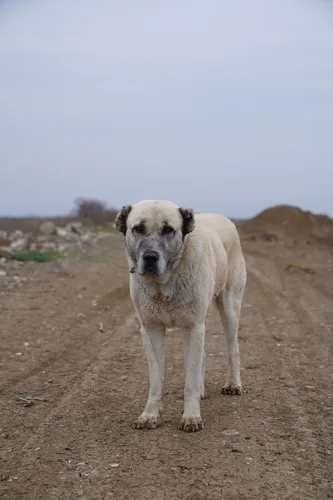
- Kangal Shepherd Dogbarks more
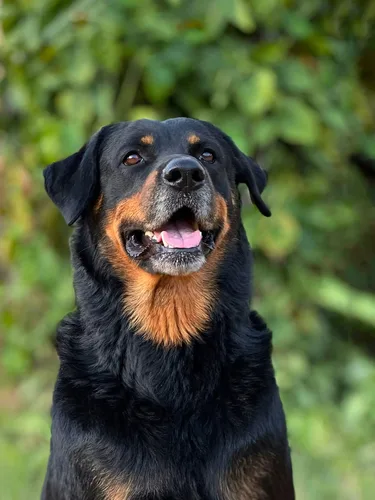
- Rottweilerlighter
Compare Great Dane with another breed
Which other breeds might suit me?
Visit the Breeds page: with the filters and the quiz there you can get to know the breeds better.