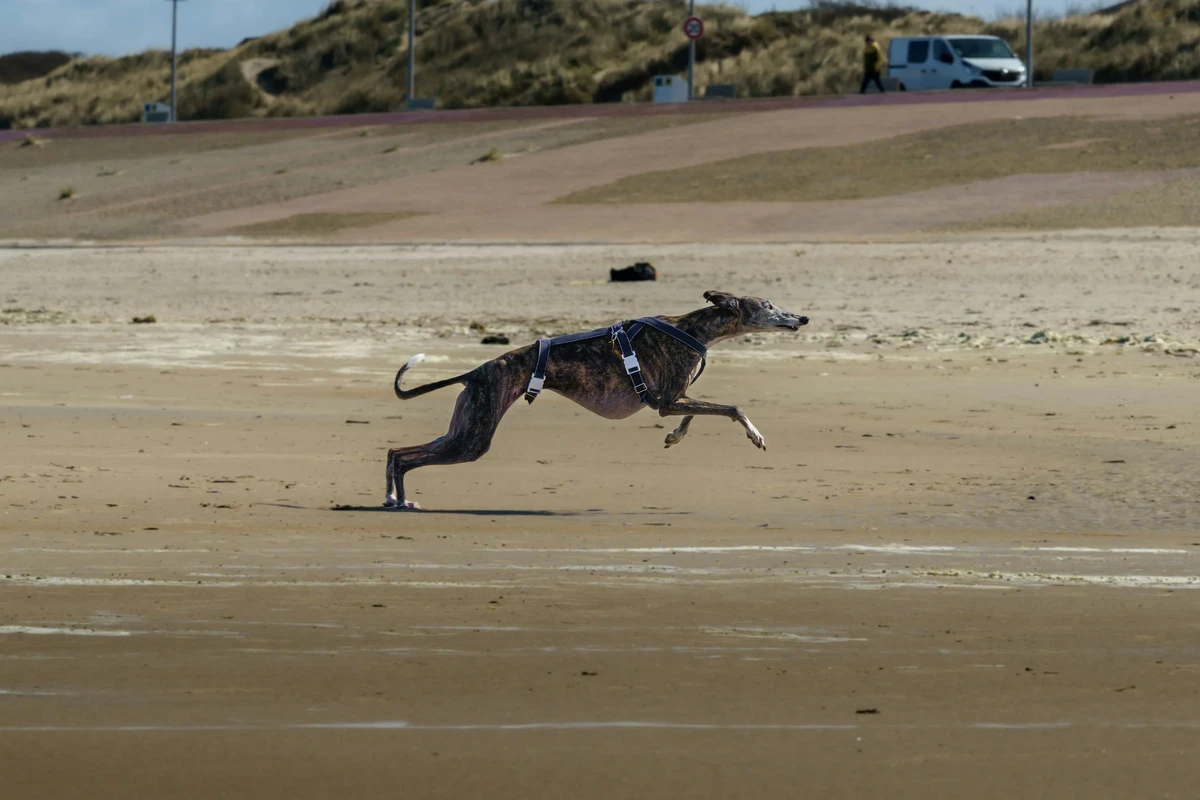
Summary
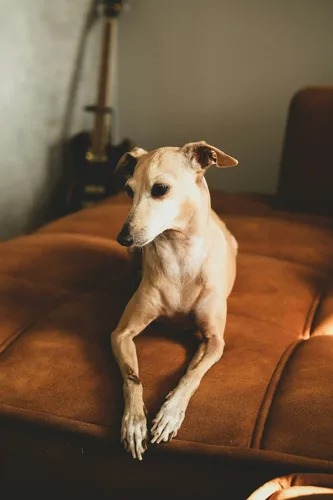
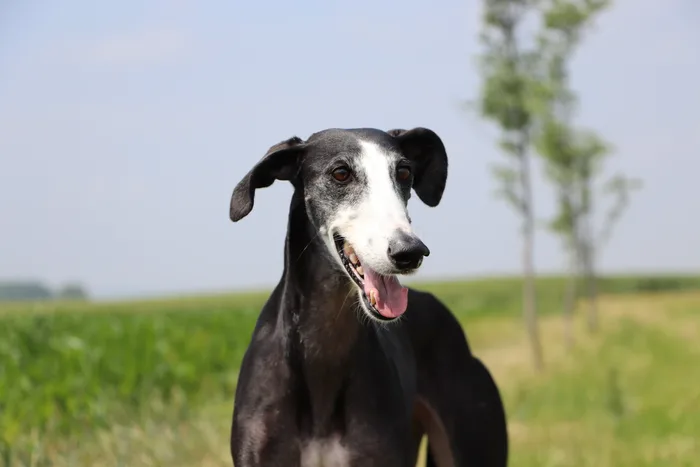
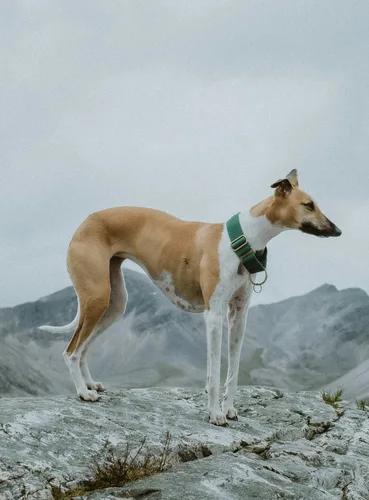
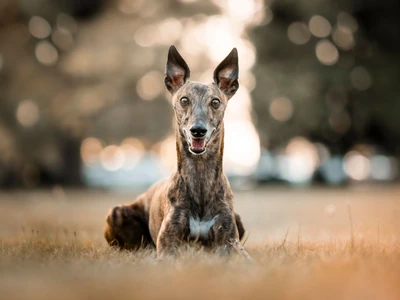
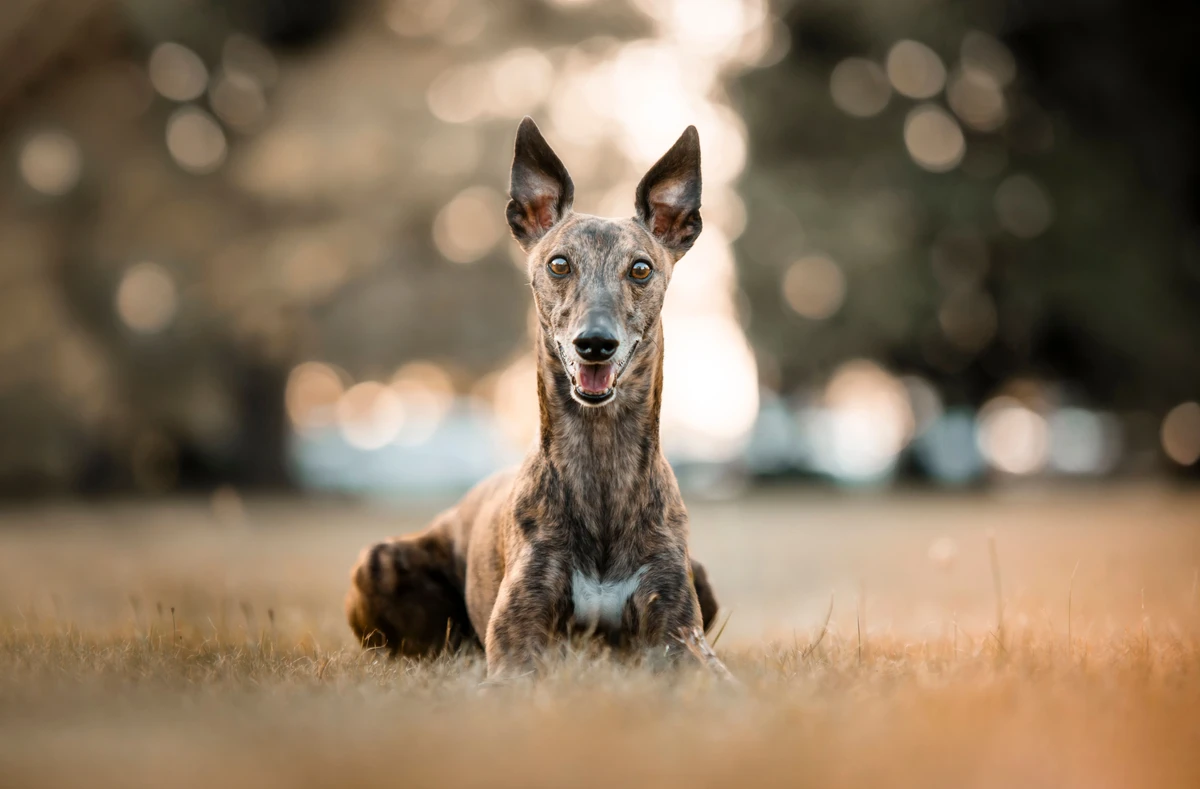
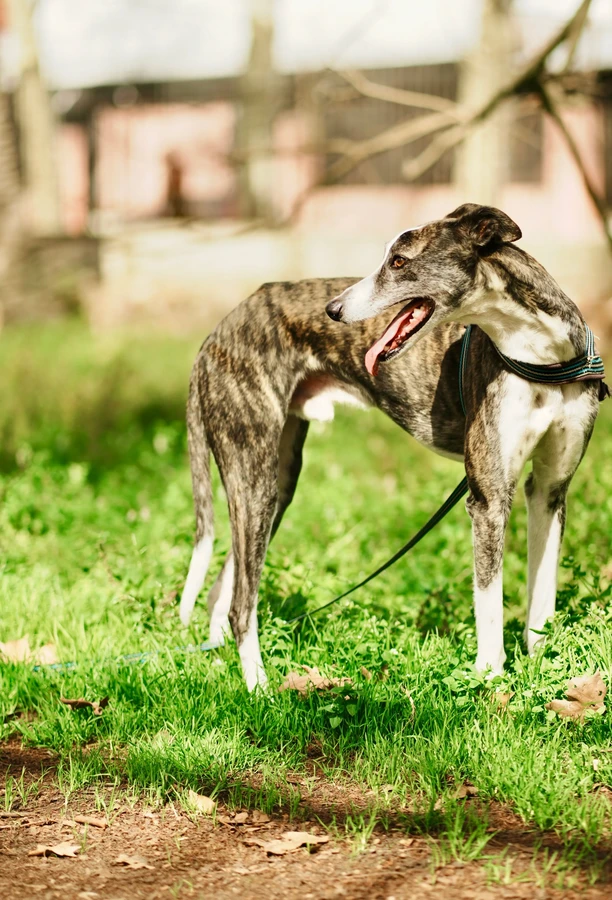
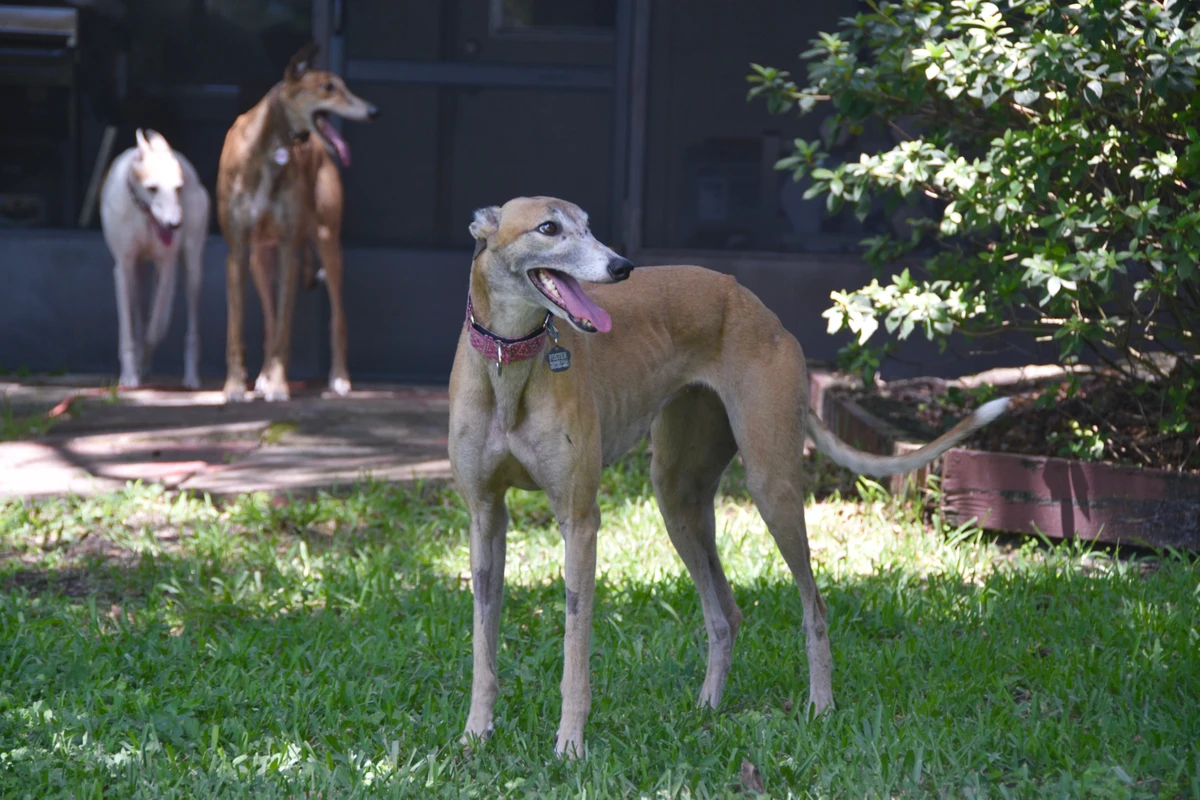
The Greyhound is the fastest dog in the world — over short distances it can reach some seventy kilometres an hour — yet at home it is one of the calmest and most agreeable breeds there is. Deep-chested, long-legged and built for a single explosive sprint, it has fine, close-lying hair, thin skin and very little body fat. Intelligent, gentle, affectionate and even-tempered, it is quiet indoors, sleeps a great deal and asks little more than a daily walk, a soft bed and a safe place to run now and then.
History & origin
Greyhound-type dogs are among the oldest depicted animals in human art: drawings of long-legged, narrow-muzzled hounds appear on the walls of Egyptian tombs from around 4000 BC, and the experts, though not unanimous, trace the breed's origins to the Middle East. Coursing hares with sighthounds was a passion of European nobility for centuries, and Britain formalised the sport and the stud book, which is why the FCI gives Great Britain as the country of origin. In the twentieth century the Greyhound became a racing dog in Britain, Ireland, the United States and Australia, and since the decline of racing, thousands of retired dogs have found homes as pets — the breed's second, quieter career.
Care
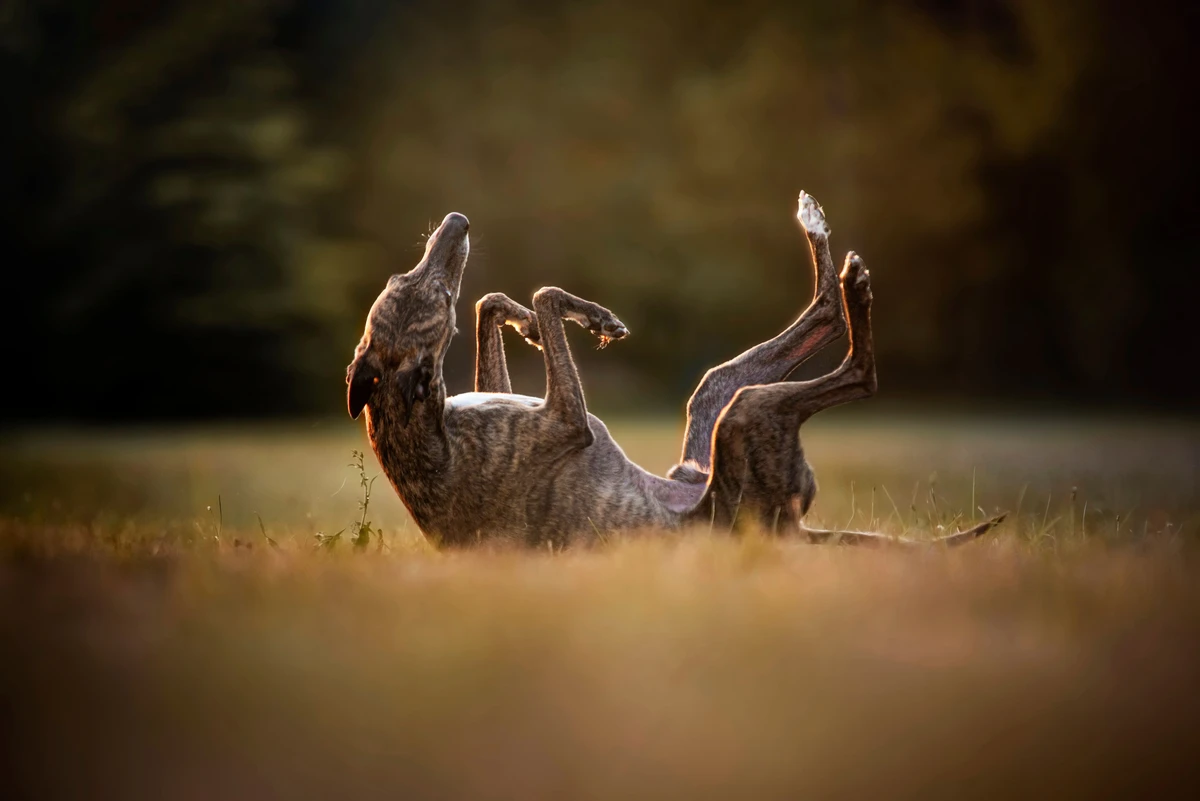
The short, fine coat needs almost nothing: a rub-down with a rubber brush or a chamois once a week, an occasional bath, and attention to the ears and nails. The skin is thin and tears easily, so check the legs and flanks after running in rough ground, and keep the dog warm — with so little fat and no undercoat it feels the cold badly and appreciates a coat in winter. Exercise is peculiar to the breed: a Greyhound needs two or three ordinary walks a day and, ideally, a safe enclosed space for a few minutes of flat-out running a couple of times a week; without that sprint it is still calm, but with it, it is a different dog. Train gently and reward patience: sighthounds think independently, cannot be drilled, and above all must never be let off the lead near roads, because the chase instinct overrides everything.
Conditions
The Greyhound is the classic «45 mph couch potato»: it can live comfortably in a flat, sleeps up to eighteen hours a day and makes very little noise — a rare thing in a dog of this size. It is gentle with children and other pets, though its chase instinct means small animals and cats need careful, patient introductions. It dislikes being left alone for long and should never be kept outdoors or in a kennel, being thin-skinned and cold-sensitive. A secure garden with high, solid fencing or supervised running in an enclosed field is essential, and stairs in a slippery-floored flat can be awkward for an older dog. Given a soft place to sleep and company, it is one of the easiest large dogs to live with.