Summary
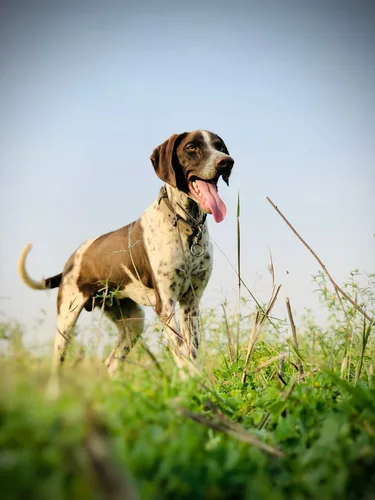
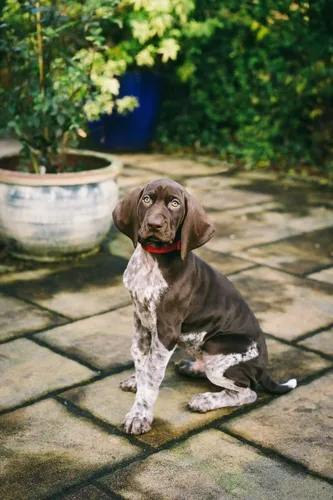
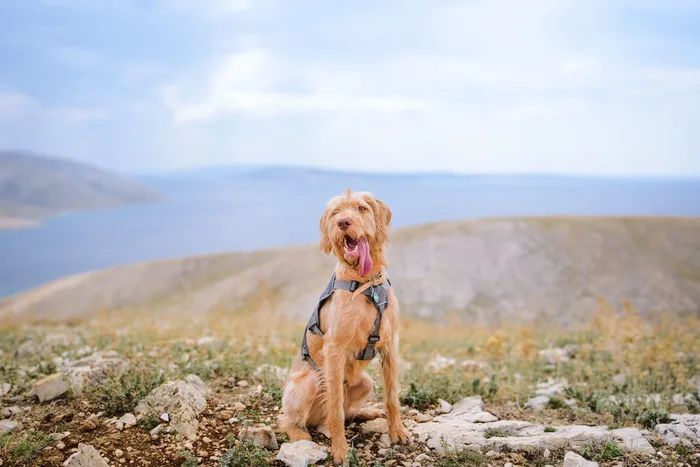
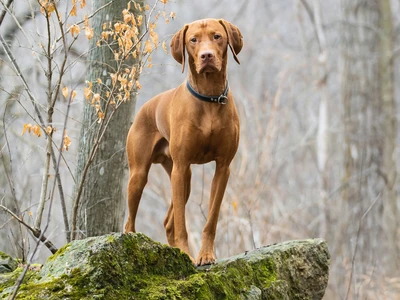
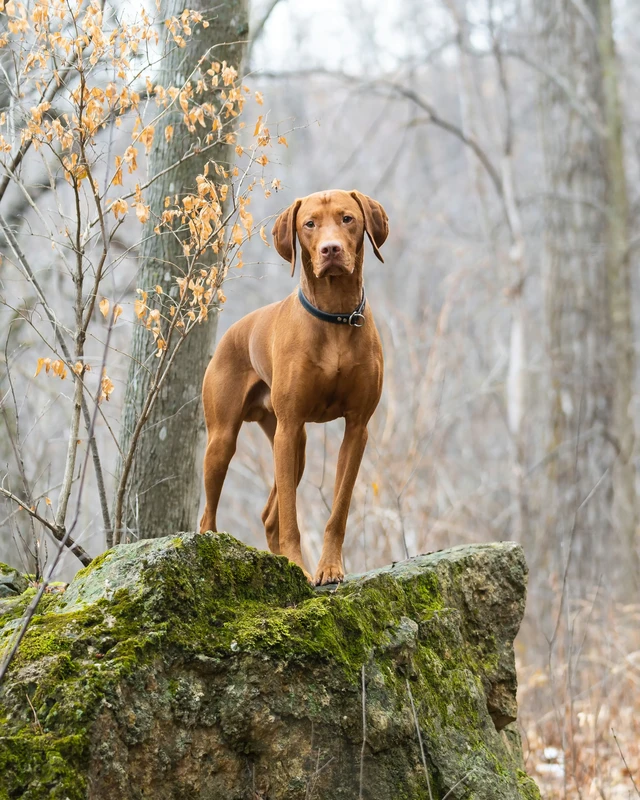
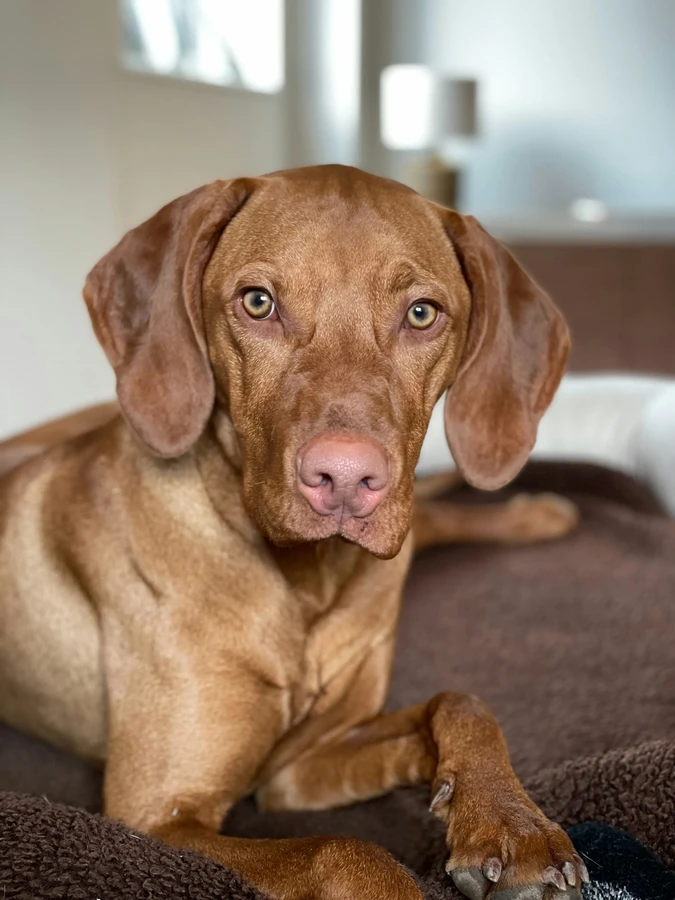
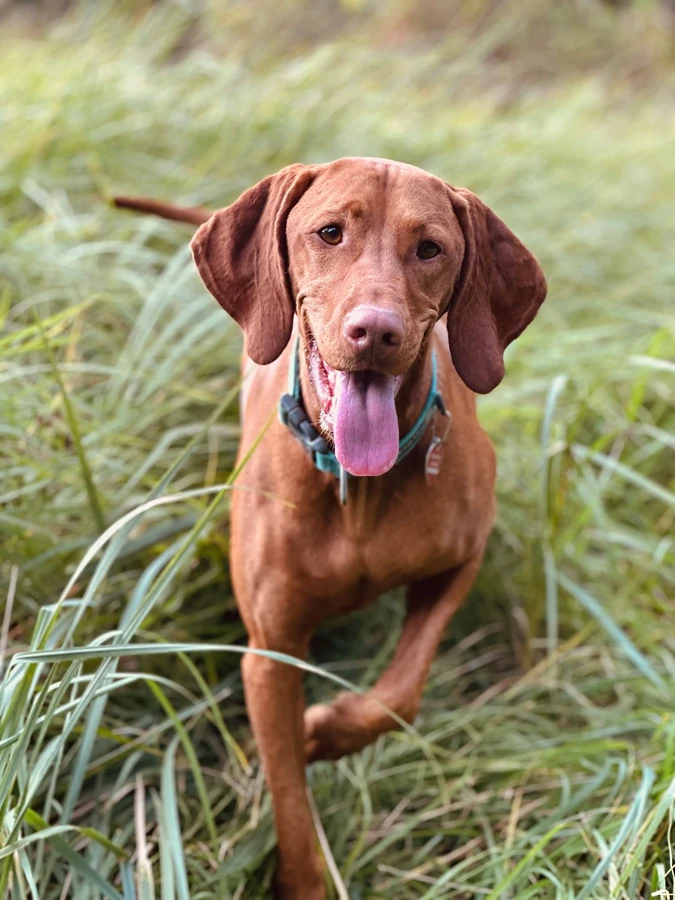
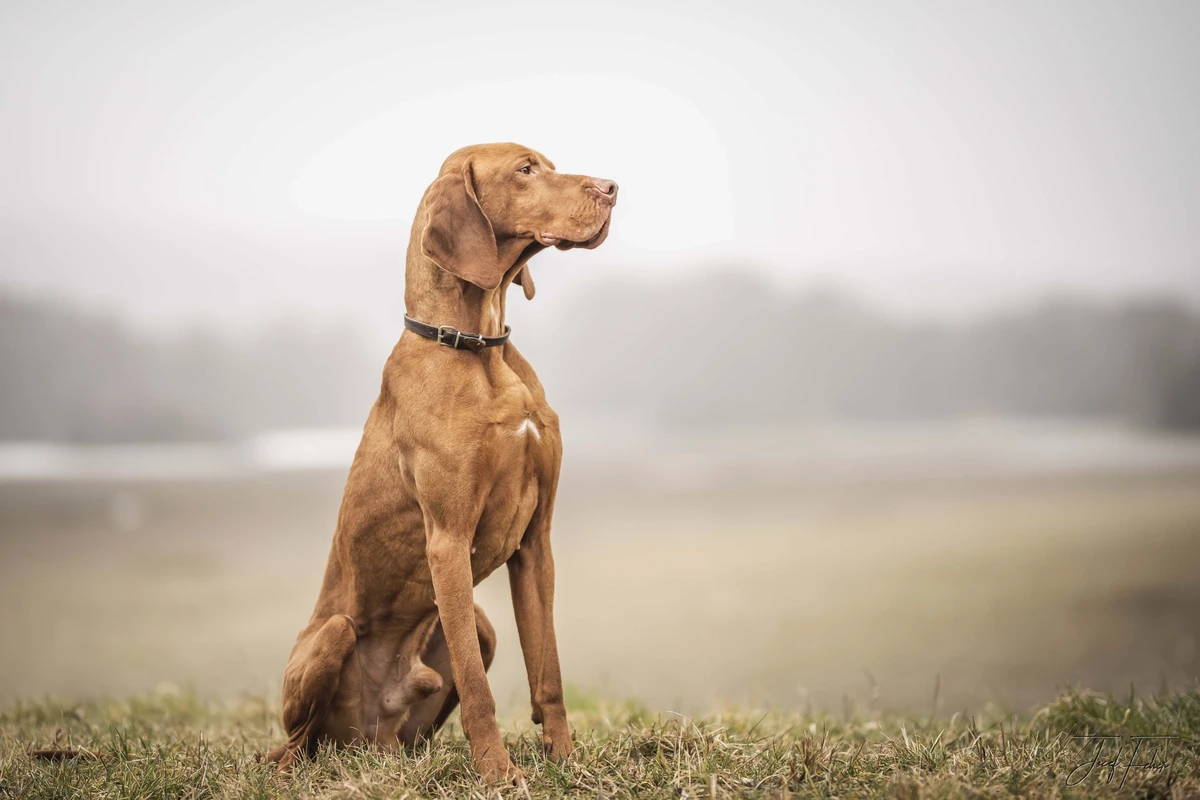
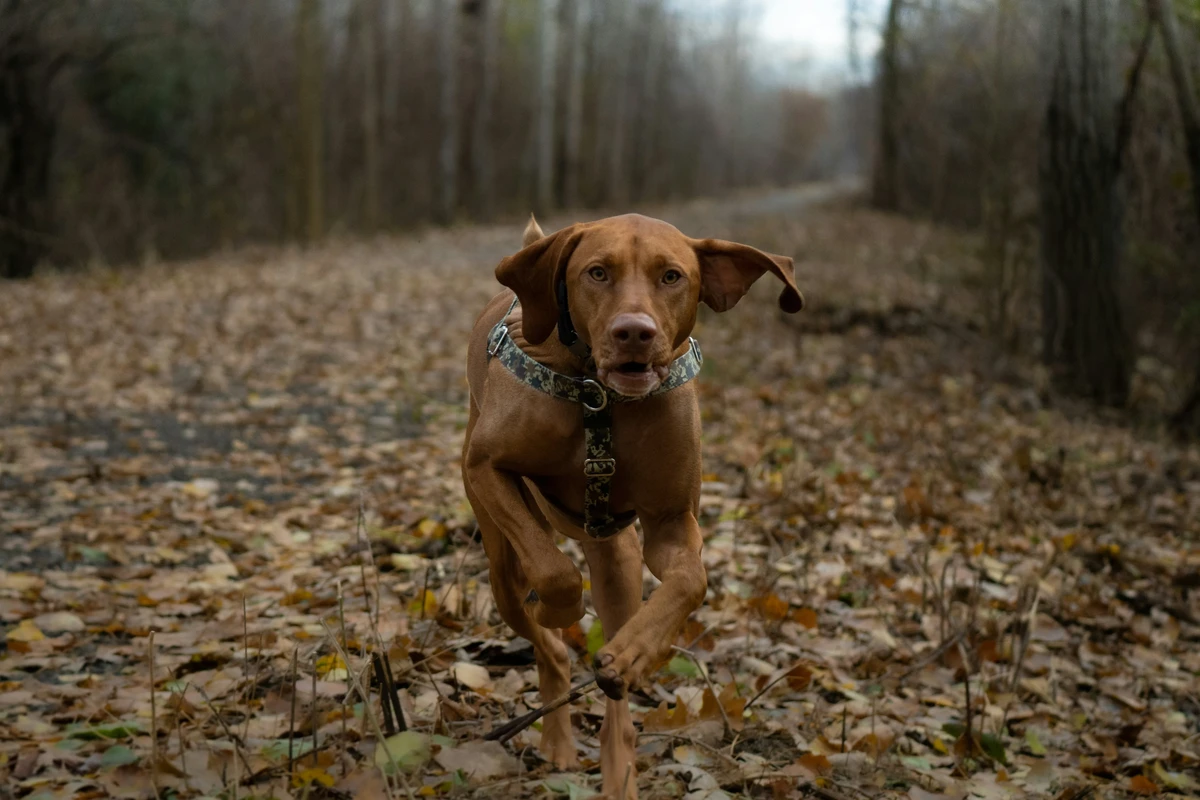
The Hungarian Short-Haired Pointer — the vizsla, the «golden dog of the puszta» — is a medium-sized, elegant gundog of lean, dry build and noble appearance, covered by a short, dense russet-gold coat without any undercoat. Lively, friendly and evenly tempered, it is easy to train and famous for the close contact it keeps with its handler while working; it is also sensitive and cannot bear rough treatment. A versatile dog for field, forest and water with an excellent nose and a firm point, it needs long daily activity and real work — but in return it is one of the most affectionate sporting breeds there is.
History & origin
The vizsla's ancestors are thought to have arrived in the Carpathian basin with the Magyar tribes a thousand years ago, and the breed was refined over centuries by Hungarian nobility and landowners as a fast, versatile gundog for the open puszta. Written references go back to the eighteenth century, and by the nineteenth the vizsla was established as Hungary's national sporting breed. The Second World War and the 1956 revolution almost destroyed it: dogs were killed or scattered, and dedicated breeders in Hungary, Austria and the United States rebuilt the population from a handful of survivors. The FCI standard dates from 2000, and today the vizsla is a popular gundog and family companion far beyond Hungary.
Care
The short coat is the easiest of any sporting breed: a rubber brush or a hand wrapped in a damp cloth once a week removes loose hair, and the dog dries in minutes after a wet run. There is no undercoat to mat, which also means less hair in the house and no need for trimming. Check the ears after water work, keep the nails short and look after the thin skin on the belly and paws in rough cover. Vizslas are athletes: they need an hour or two of real activity every day, including off-lead running, swimming and scent work, and they are unhappy and destructive without it. Train early and gently — the breed is eager but sensitive, learns quickly and shuts down under pressure — and socialise it widely, because separation anxiety is common in dogs that live this closely with their people.
Conditions
The vizsla belongs with people who are outdoors a lot: runners, hikers, hunters, families who take the dog everywhere. It is intensely attached to its family and dislikes being left alone or kennelled away from them, so a household where someone is usually at home suits it best; a flat is possible only with serious daily exercise, and a house with a secure garden is much more realistic. It is affectionate and patient with children and usually sociable with other dogs. The thin coat and lack of undercoat make it sensitive to cold, so it needs a coat in winter and a warm, dry place to sleep. Expect a close, busy, people-oriented companion rather than an independent dog that amuses itself.