Summary
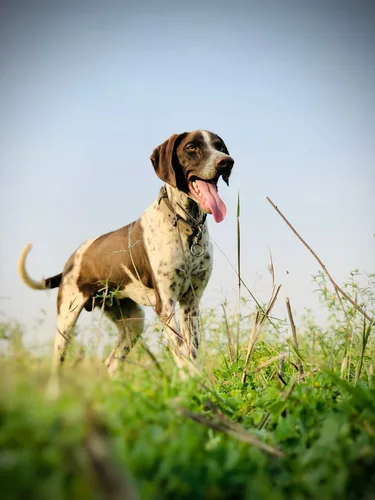
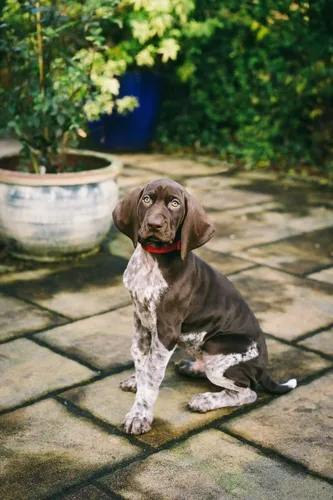
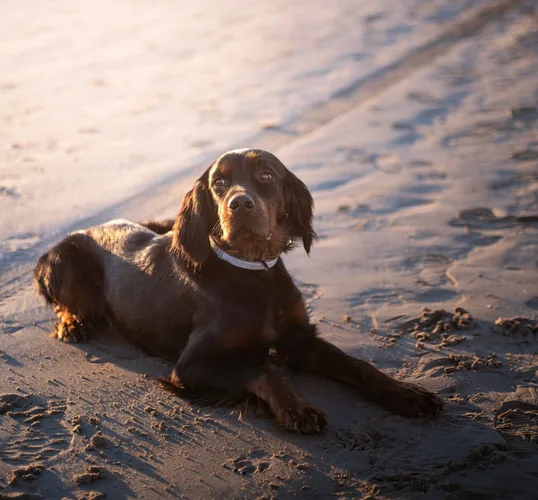
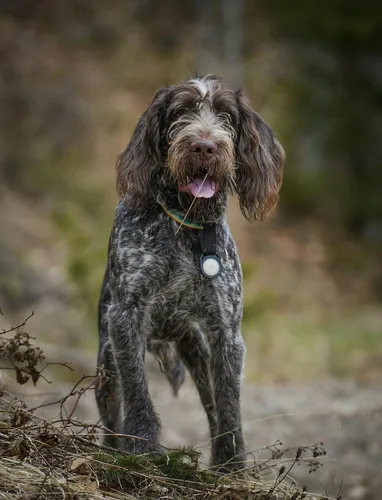
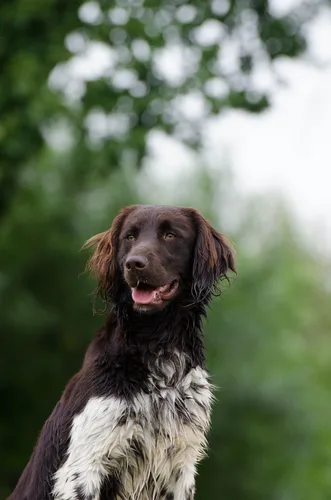
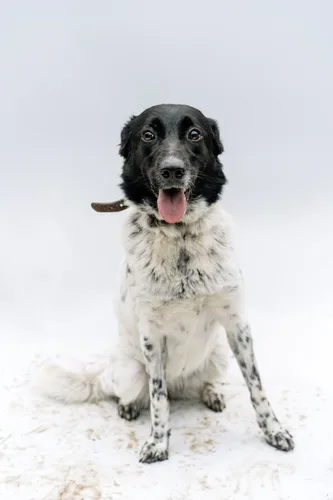
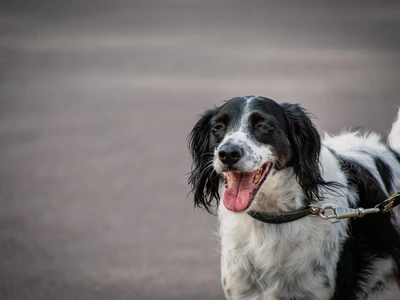
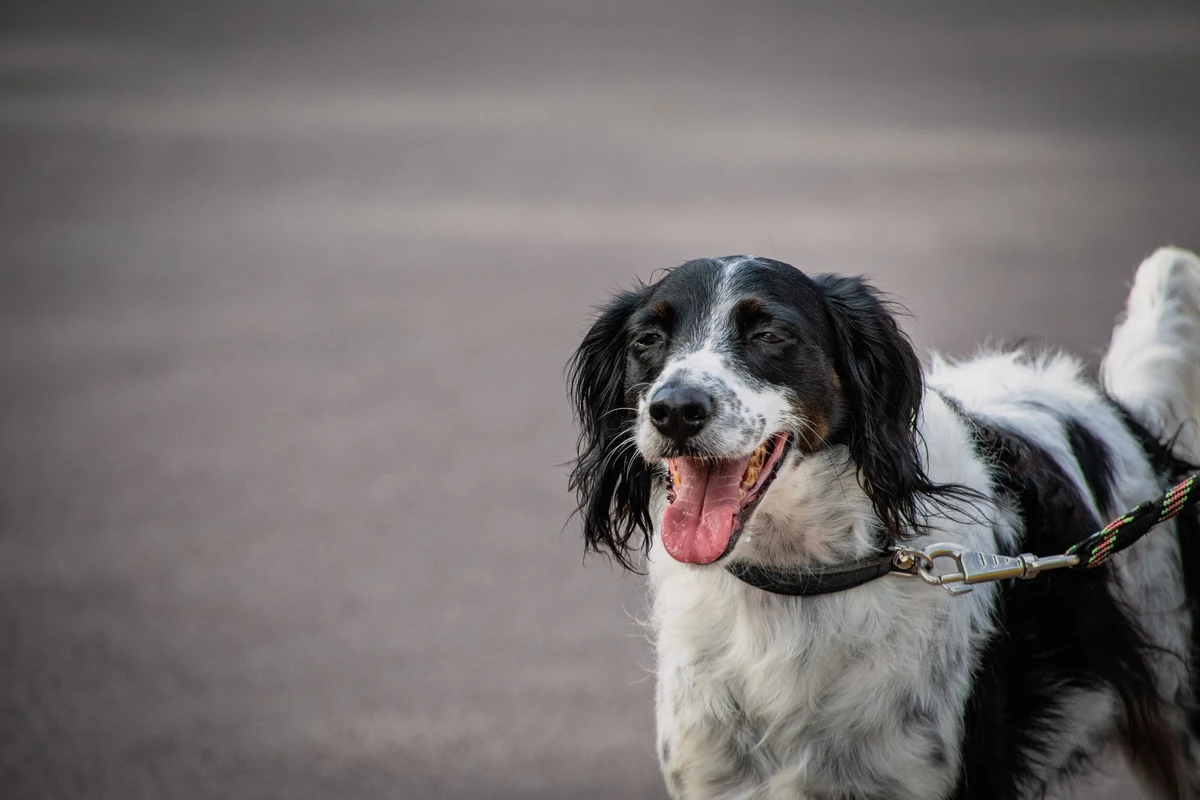
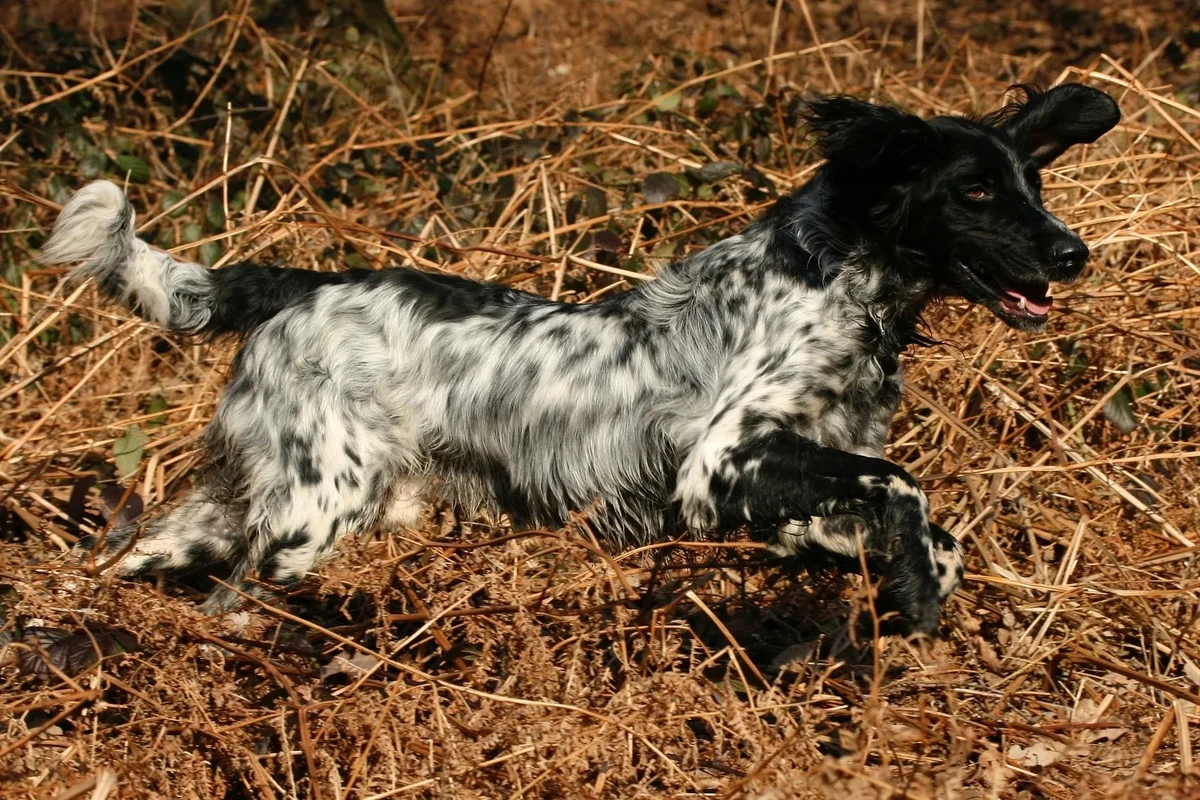
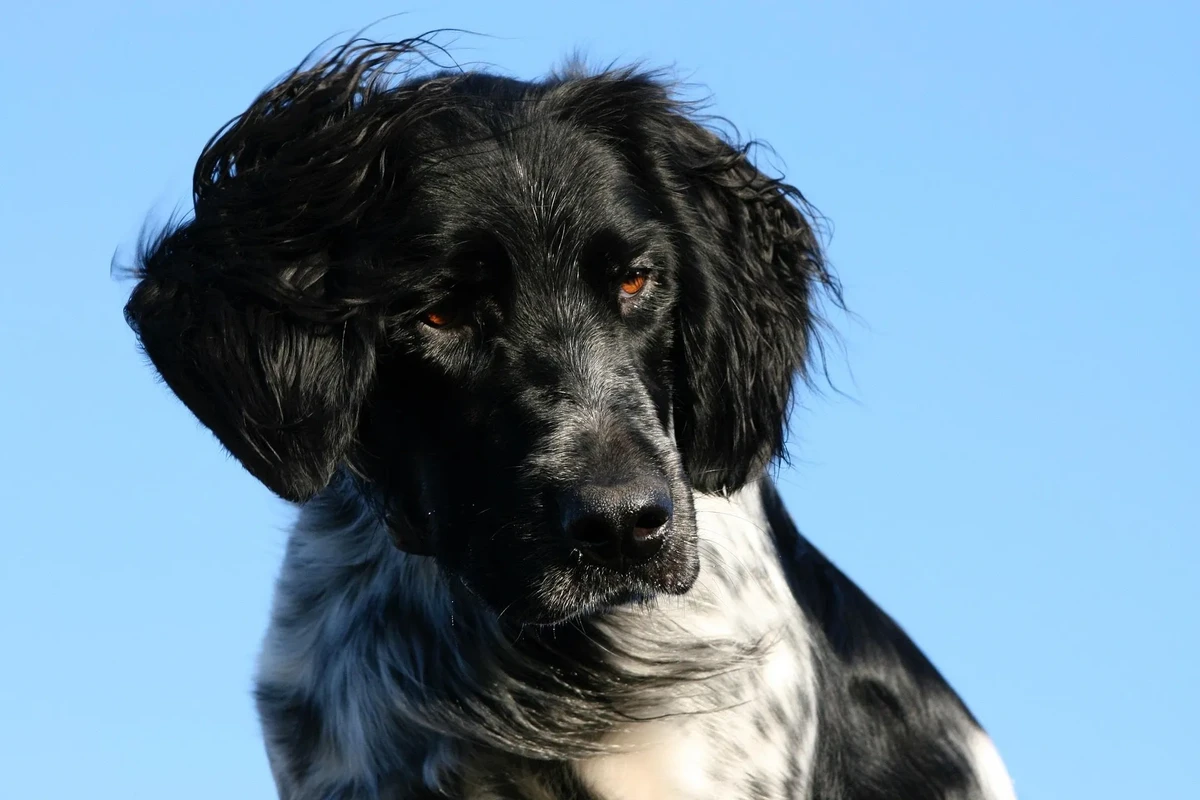
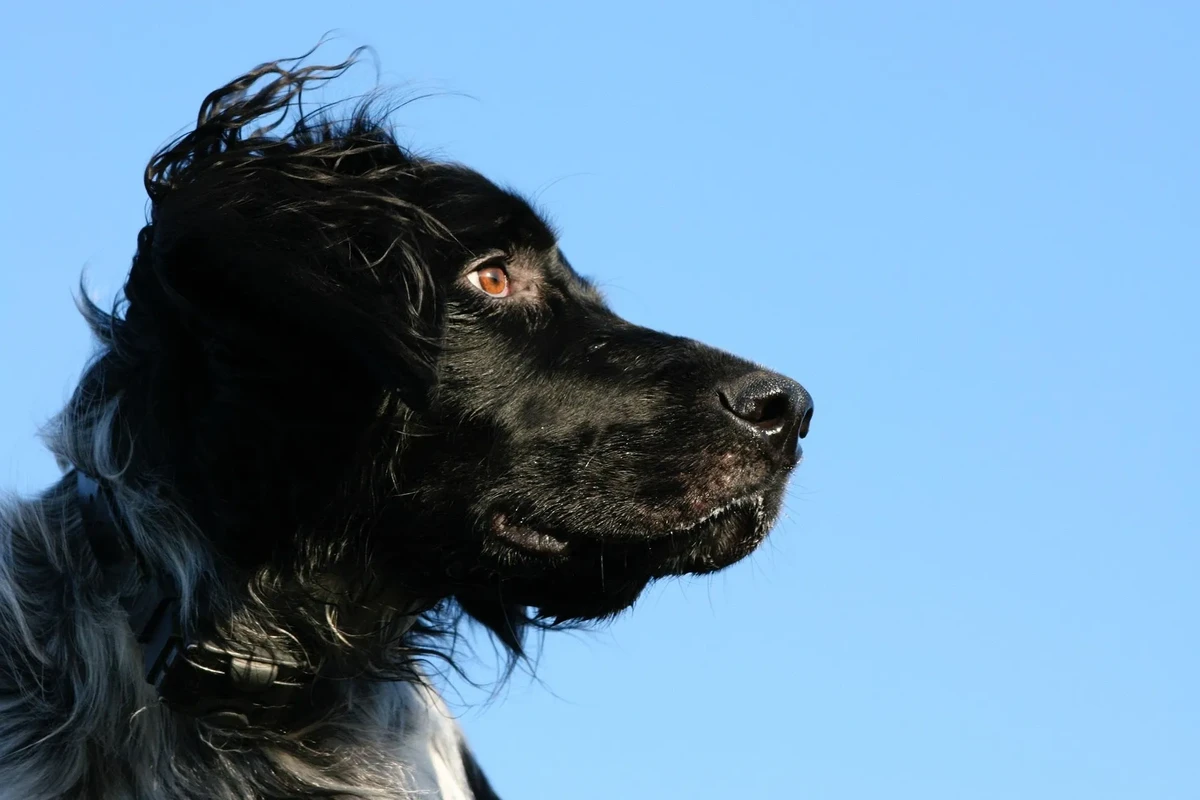
The Large Munsterlander is a versatile German gundog of the long-haired pointing family — a strong, racy dog with a long, dense, sleek coat heavily feathered on the legs, ears and tail. Its coat comes in three colour varieties: white with black patches and spots, blue roan, and solid black, always with a black head that may carry a white snip or blaze. Tractable and easily taught, dependable in the field and lively without being nervous, it works just as readily in field, forest and water. It is an affectionate family dog that needs plenty of exercise, training and company, and it does best with an active owner who can give it real work.
History & origin
The Large Munsterlander descends from the white, particoloured bird and hawking dogs of the Middle Ages, through the Stöberhund and Wachtelhund to the pointing dogs of the nineteenth century, and belongs to the family of long-haired German pointing dogs. When the German Longhair Club excluded black from breeding in 1909, enthusiasts founded a club in 1919 for the pure breeding of black-and-white Münsterland pointers, and in 1922 planned breeding began from a foundation list of 83 dogs, largely from West Münsterland and Lower Saxony. The breed was recognised in Germany and later by the FCI, and it remains a working gundog, tested in the field, forest and water.
Care
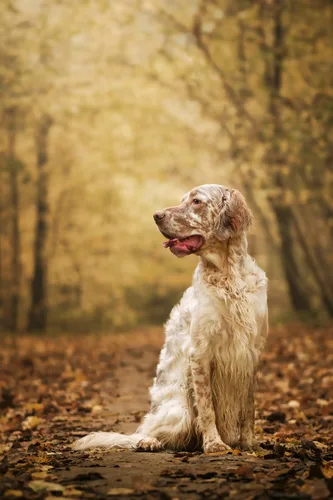
The Large Munsterlander wears a long, dense but sleek coat that must never be curly or stand-off, with especially long feathering on the backs of the legs, on the tail and around the ears, while the hair on the head is short and smooth. That coat needs regular grooming: brushing several times a week — and more during the moult — keeps the feathering free of tangles, and the ears, feet and tail need particular attention. It sheds a good deal and should not be bathed too often. As a versatile gundog it needs serious daily exercise and, ideally, real work: quartering, retrieving, tracking and water work. Tractable and easily taught, it trains well with kind, consistent methods, and early socialisation keeps it steady and confident.
Conditions
The Large Munsterlander suits active owners, especially those who hunt, work or train their dogs, and it needs plenty of outdoor exercise rather than a quiet indoor life. Affectionate and lively without being nervous, it is good with children and other pets when properly socialised, and it is an alert watchdog. Its working instinct and stamina mean it needs secure fencing, reliable recall and a job to do; bored and under-exercised, it can become destructive. It dislikes being left alone for long and thrives on company and activity. With space, purpose and patient, consistent training, it is a loyal, cheerful and hard-working family companion.