Summary
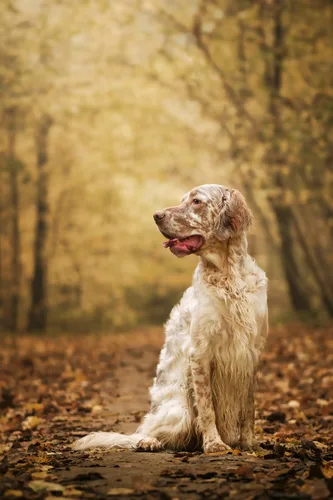
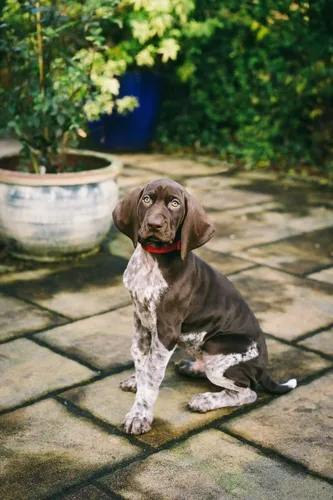
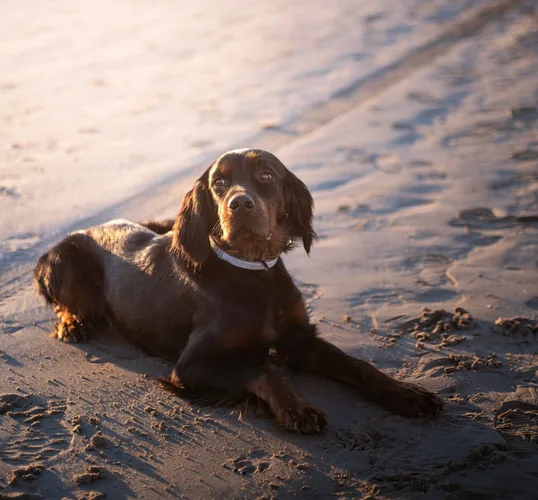
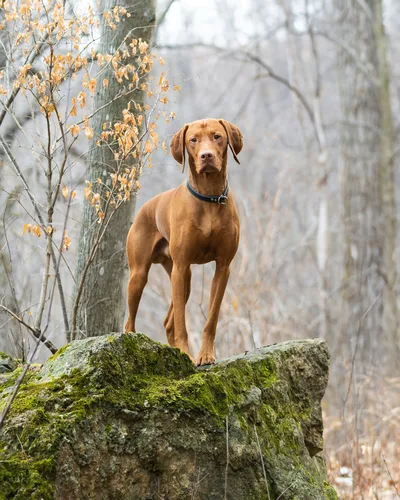
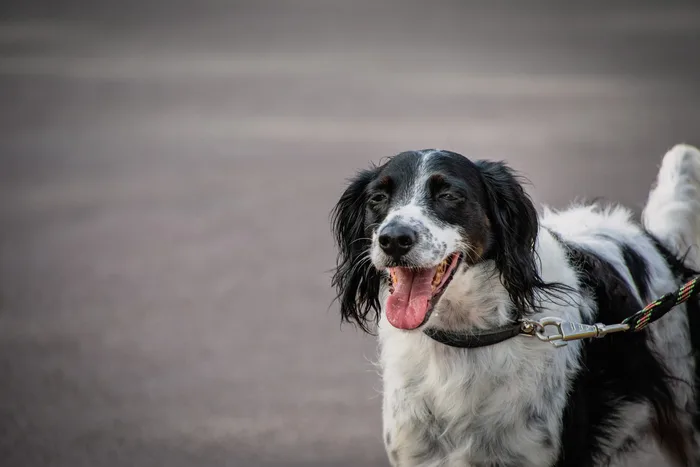
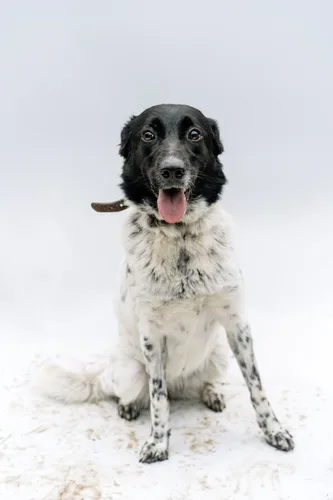
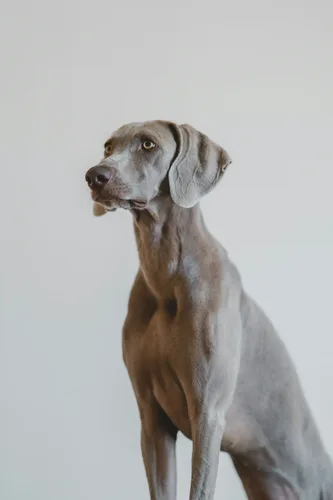
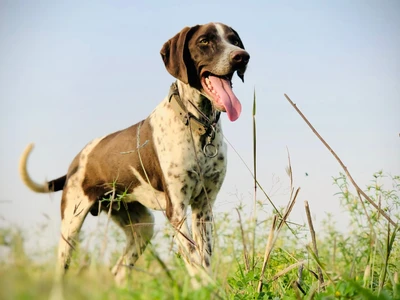
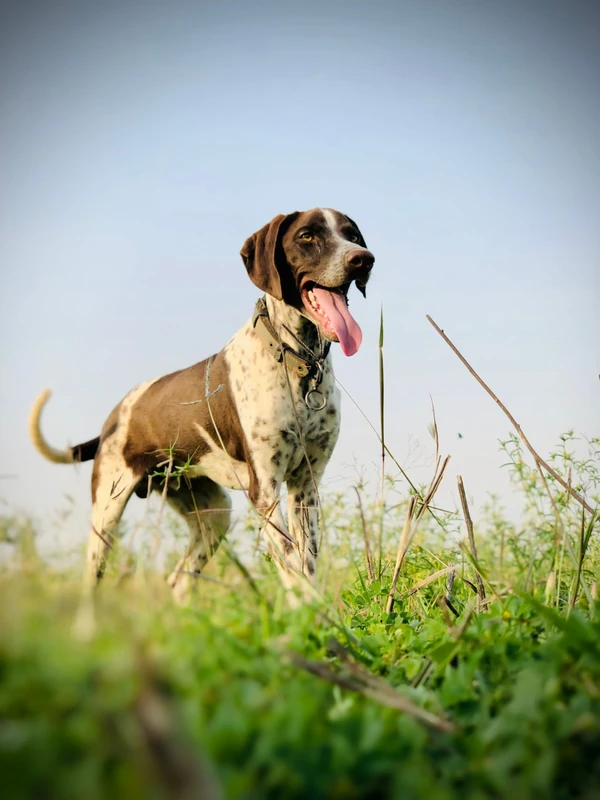
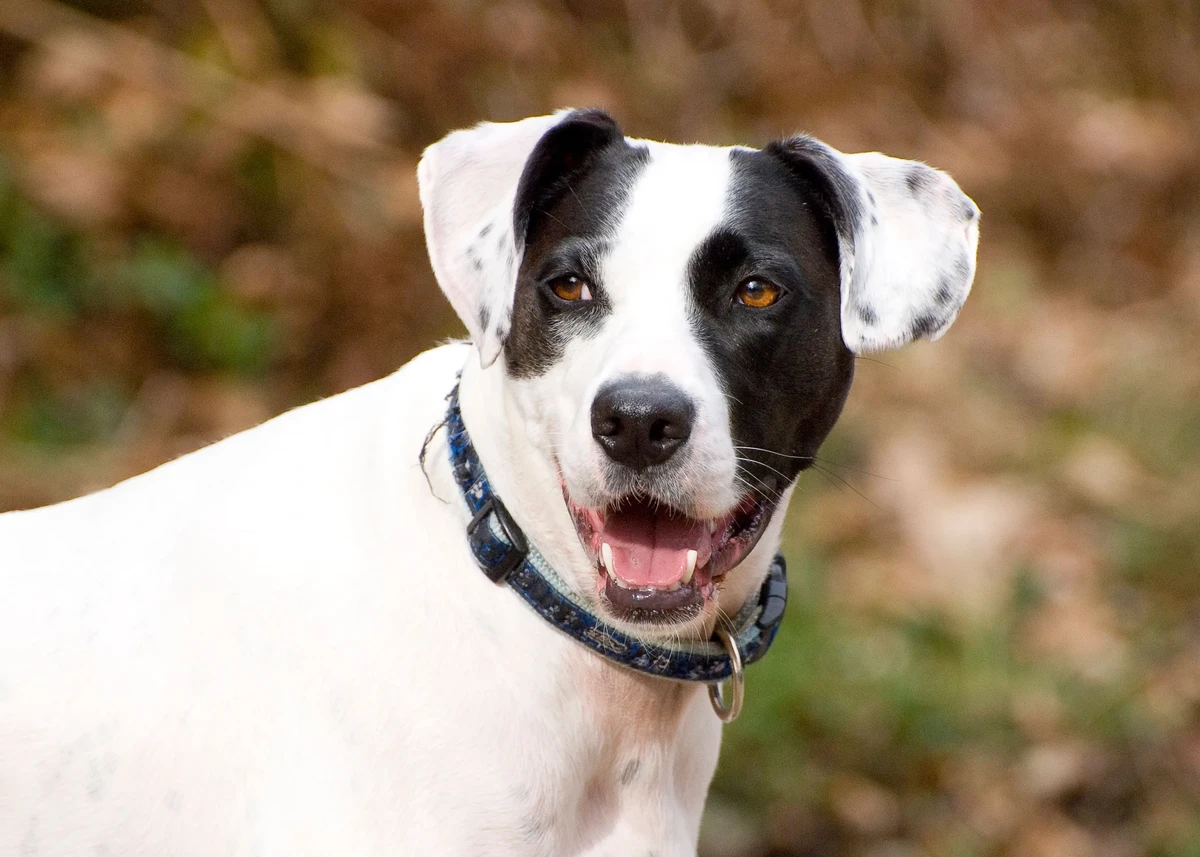
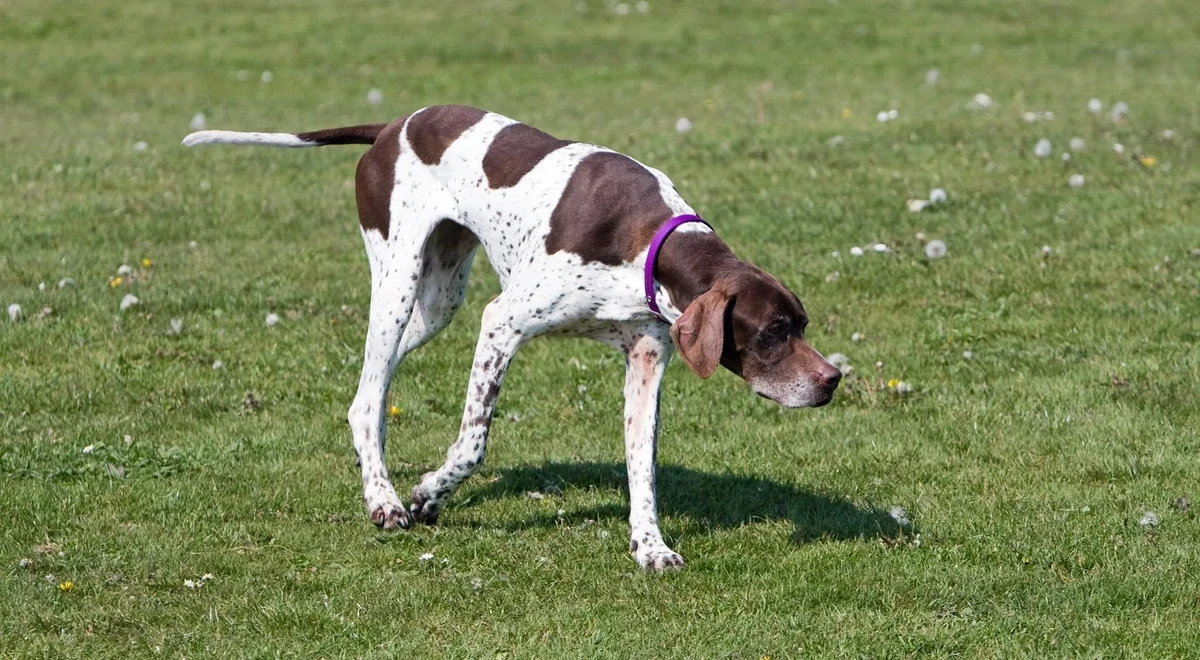
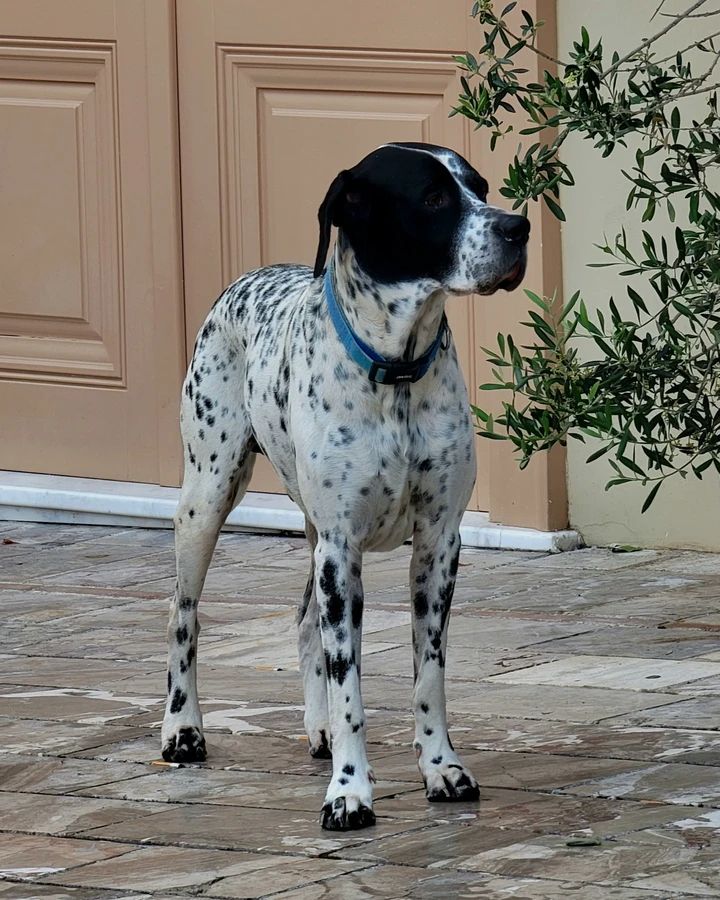
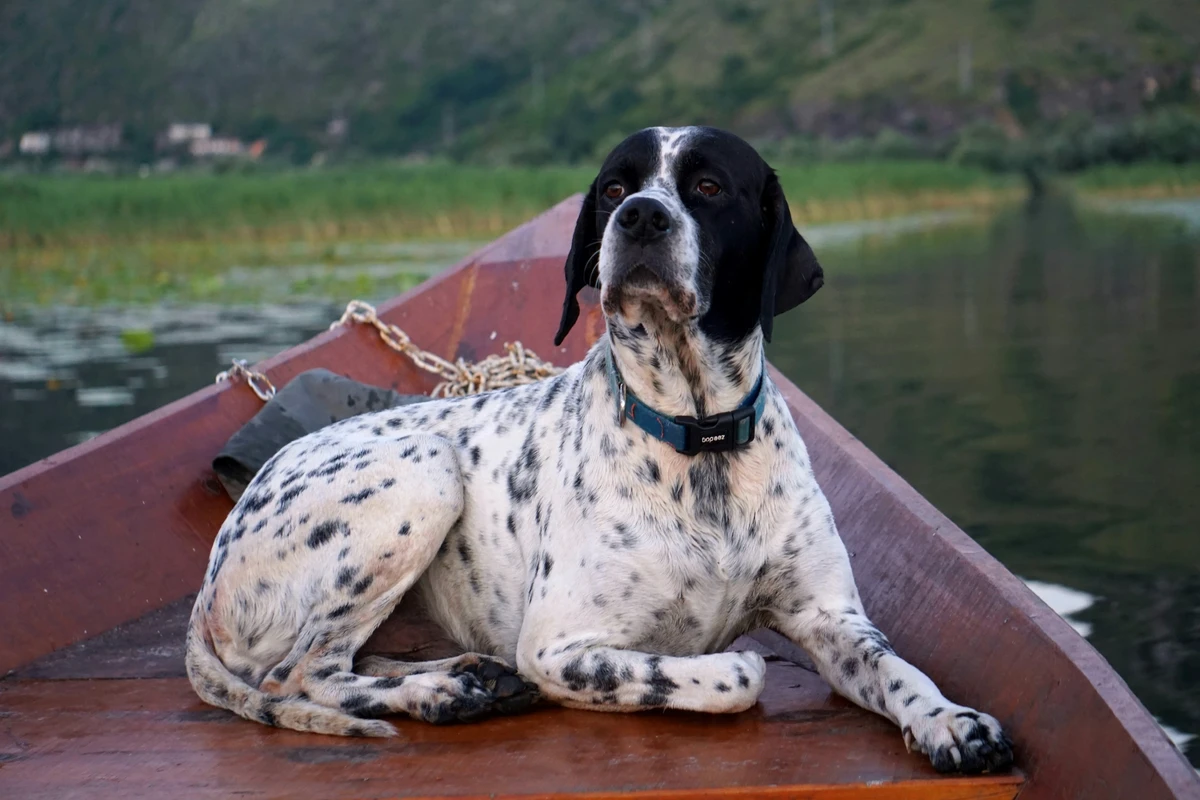
The English Pointer is the archetypal pointing dog — a symmetrical, graceful athlete built for speed and endurance, with a short, hard, glossy coat in lemon, orange, liver or black and white. Bred to range widely across open country, find game and hold a rigid point, it is alert, aristocratic and tireless in the field, yet kind and even-tempered at home. It is gentle with children and devoted to its family, but it is a true working dog that needs serious daily running, training and company. Given a job and space to gallop, it is an elegant, affectionate and endlessly enthusiastic companion.
History & origin
The English Pointer was developed in Britain from the seventeenth century onwards, probably from a mix of Spanish and Portuguese pointers, foxhound and greyhound blood and setters, to produce a dog that could range far ahead of the guns across open ground, find game and hold it on a steady point. By the eighteenth and nineteenth centuries it had become the classic sporting dog of the British countryside, bred for nose, pace and stamina, and it was exported around the world as a foundation for other pointing breeds. It was among the first breeds recognised by the Kennel Club and is the FCI's standard number one — the original pointing dog.
Care
The English Pointer's coat is fine, short, hard and smooth with a decided sheen, so grooming is easy: a weekly rub-down with a hound glove removes loose hair and keeps the skin healthy, and bathing should be occasional, as frequent washing dulls the coat. Ears, feet and eyes should be checked after work, and the thin coat means the dog feels the cold and needs shelter and warmth in winter. Above all, this is a running dog: it needs real daily exercise — free galloping in a safe, enclosed space, long walks and, ideally, scent work or field training — or it will become frustrated and destructive. Intelligent and willing but also independent, it trains best with kind, consistent, positive methods and thorough early socialisation.
Conditions
The English Pointer suits active owners with space, time and, ideally, access to open country; it is not a dog for a flat or a sedentary household. Gentle, kind and even-tempered, it is good with children and generally with other dogs, though its hunting instinct makes small pets risky and it should never be allowed to roam. It is reserved rather than aggressive with strangers and is a poor guard dog. It bonds closely with its family and dislikes being left alone for long. With a garden, daily runs and a job to do — hunting, field trials, canicross or scent games — it is an affectionate, elegant and good-natured companion.