Origins
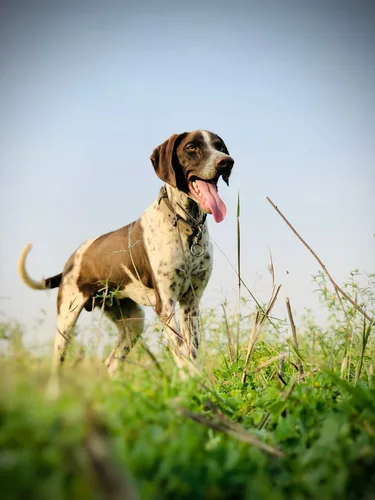
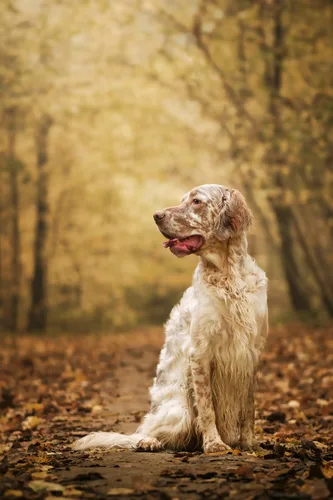
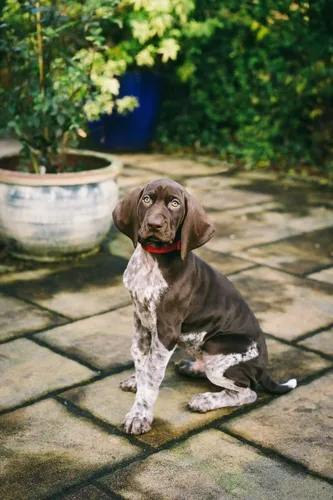
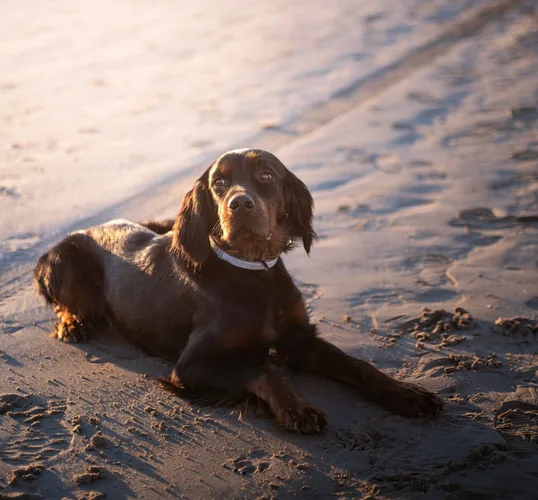
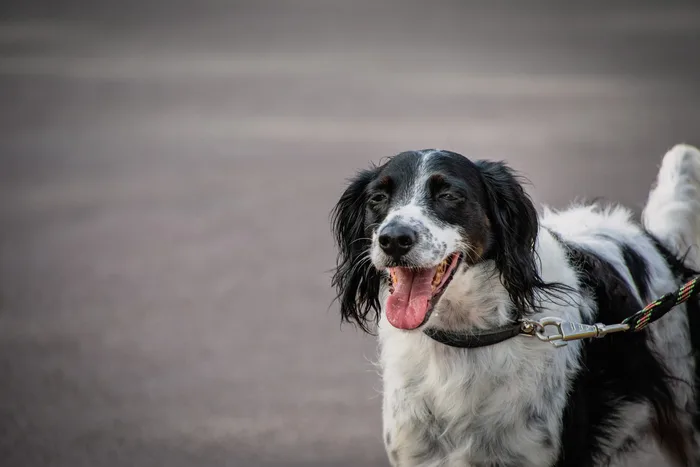
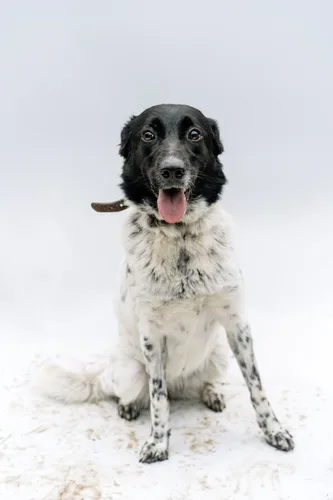
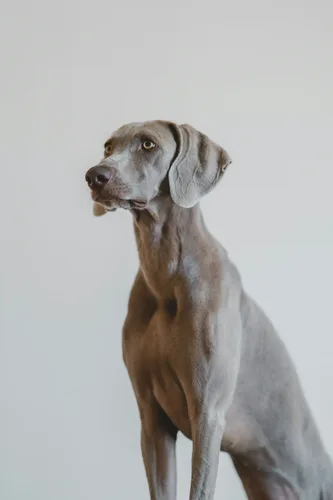
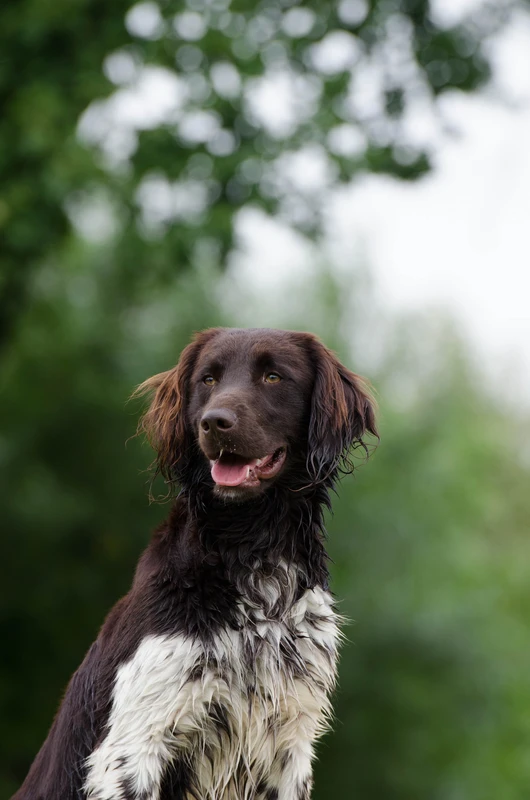
The Kleiner Münsterländer is an old versatile gundog from the Münster region of Germany, and pointing dogs of this type appear in German paintings as early as the fifteenth century. It works before the gun, points, retrieves and tracks wounded game, and it is also used for hunting with falcons. German breeders formalised two sizes in 1919, and the small Münsterländer was recognised with its own club. Today it is a popular working gundog in Europe and a steady family dog.
Lifestyle
Walks: An hour and a half to two hours a day, with real running and games. Keep on a lead where there is no fence.
Being alone: It bonds closely and dislikes long hours alone. Company and exercise help.
At home: Affectionate and calm indoors once exercised, wanting to be near the family. It likes to be in the same room as the family and settles on a soft bed, so a place in the living room works well.
Children: Gentle and playful with children, with a good-natured temperament. It is patient and cheerful with kids, though a young dog can be bouncy, so teach children to play calmly.
Other animals: Usually friendly with dogs. Birds and small pets can trigger its hunting instinct.
Play and activities: Fetch, swimming, tracking, field work and obedience. It is intelligent and eager to learn.
Daily routine: Active outings morning and evening and company between. A long outing in the morning, a training game at midday and a second walk in the evening keep it content.
Care essentials
Practical advice, not a medical opinion. For any health question, ask your vet.
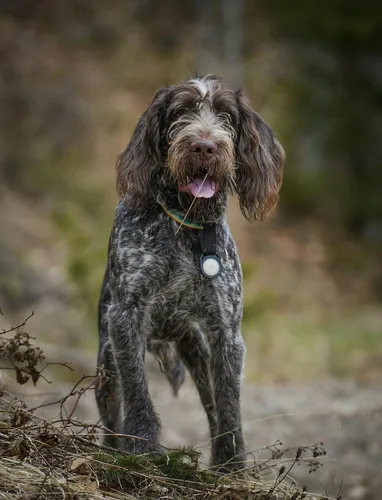
Coat: Brush the silky, feathered coat two or three times a week and check it for burrs after walks. The hair on the ears and paws can be trimmed neatly so that fewer burrs cling to it.
Ears, paws and teeth: Clean the ears once a week. Wipe the paws after walks.
More about everyday health in the dog health & care guide.
Fun facts
The Small and the Large Munsterlander are two separate breeds, not varieties of one dog. They differ in origin, breeding history and standards.
The Small Munsterlander is usually brown and white, sometimes ticked or patched. The Large Munsterlander is black and white, as well as roan and patched.
The modern breed took shape in Germany in the early 20th century from the old long-haired pointing dogs that local hunters used to find and retrieve game. Such dogs were called Heidewachtel, "quail dogs of the heath".
FAQ
This breed is a great fit if you
- Are active and enjoy the outdoors
- Want a friendly, trainable medium-sized dog
- Have a garden
- Enjoy field work or dog sports
It may not be a fit if you
- Are away from home most of the day
- Want a calm, low-energy dog
- Have small pets
- Cannot give daily exercise
Is it suitable for allergy sufferers?
Heavy shedding. No dog is completely hypoallergenic: allergens come from saliva, skin and dander, not only from hair. Reactions are individual, so spend time with the dog before you decide and talk to an allergist if you are unsure.
Which breeds are similar to Kleiner Münsterländer?
Chosen from all groups: breeds of the same size, ordered by how closely their coat length, coat type and activity level match. The notes show how each breed differs from this one.
- Australian Shepherdvery similar overall
- Border Collielighter
- Siberian Huskybarks more
- American Eskimo Dogcalmer, lighter
- Czechoslovakian Wolfdogcalmer
Compare Kleiner Münsterländer with another breed
Which other breeds might suit me?
Visit the Breeds page: with the filters and the quiz there you can get to know the breeds better.