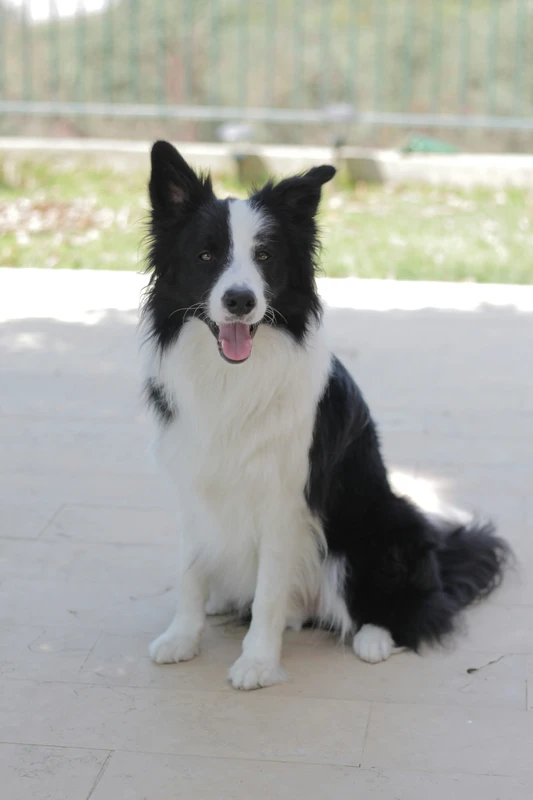
Origins
The Border Collie was formed on the border of England and Scotland, where shepherds needed a dog to move sheep on hills with a single command or whistle. Breeders selected for intelligence, stamina and, above all, a quiet, controlling stare that came to be called eye. The name was adopted in 1915; before that the dogs were known simply as working collies. The breed is still the standard for sheepdog trials, and one of its members, Chaser, learned the names of more than a thousand toys.
Lifestyle
Walks: Two hours or more, with running and a task. Short, repetitive walks are not enough for this brain. Add a ball, a frisbee or a bit of training on the way, and vary the route so it keeps finding things to figure out.
Being alone: It does not do well alone for long. A bored Border Collie may bark, dig or invent herding games with the sofa, the cat or the vacuum. If you must be away, give it exercise first and something to chew or solve.
At home: Needs to settle between activities, which usually has to be taught: practise a "place" or a mat from puppyhood. In a flat it can work if exercise is generous, but it will watch you and the window constantly.
Children: Gentle and playful with respectful children, and happy to run with them. It may try to herd running kids, nipping at heels, so teach it manners and teach children not to run screaming around it.
Other animals: Often fine with other dogs. It may fixate on cats, joggers, bikes and cars and try to control them by stalking and staring, so work on calm when something moves quickly.
Play and activities: Agility, flyball, frisbee, obedience, scent work and trick training suit it well. It loves to solve problems and can learn the names of dozens of objects, so give it new challenges regularly.
Daily routine: Active periods built around training, and rest only after a good workout. It thrives on routine and a clear job, and tends to get restless in unstructured days.
Care essentials
Practical advice, not a medical opinion. For any health question, ask your vet.
Coat: Brush several times a week, more often when it sheds.
Ears, paws and teeth: Check the paw pads after running on hard ground and stones. Keep the teeth in good order with chew toys and treats.
More about everyday health in the dog health & care guide.
Fun facts
A Border Collie called Chaser knew the names of 1,022 toys. Scientists confirmed that she could find the right object by name and learn new words.
When herding sheep, the Border Collie uses a special intense stare known as "the eye". Never taking its eyes off the flock, the dog steers the animals with its body movement, hardly resorting to barking or nipping.
One of the main ancestors of the modern Border Collie is considered to be Old Hemp, a herding dog born in Northumberland in 1893. His working qualities had a great influence on the development of the breed.
FAQ
This breed is a great fit if you
- Are very active and want a partner for sports or long outdoor days
- Enjoy training and will teach new tricks every week
- Work from home or have a flexible schedule
- Have a garden or a secure place to run
It may not be a fit if you
- Want a relaxed dog for a quiet life
- Are away from home most of the day
- Have a small flat and little time for activities
- Do not have time for daily training
Is it suitable for allergy sufferers?
Heavy shedding. No dog is completely hypoallergenic: allergens come from saliva, skin and dander, not only from hair. Reactions are individual, so spend time with the dog before you decide and talk to an allergist if you are unsure.
Which breeds are similar to Border Collie?
Chosen from all groups: breeds of the same size, ordered by how closely their coat length, coat type and activity level match. The notes show how each breed differs from this one.
- German Spanielcalmer
- Nederlandse Kooikerhondjecalmer, lighter
- Nova Scotia Duck Tolling Retrievercalmer
- Australian Shepherdheavier
- Kleiner Münsterländerheavier
Compare Border Collie with another breed
Which other breeds might suit me?
Visit the Breeds page: with the filters and the quiz there you can get to know the breeds better.