Summary.
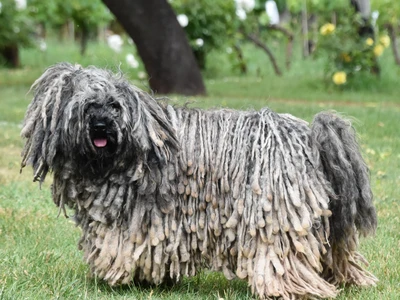
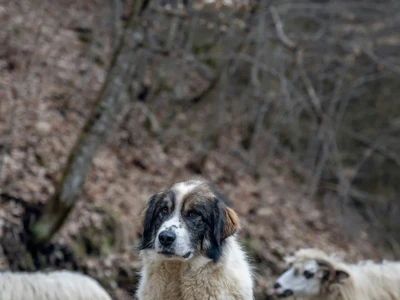
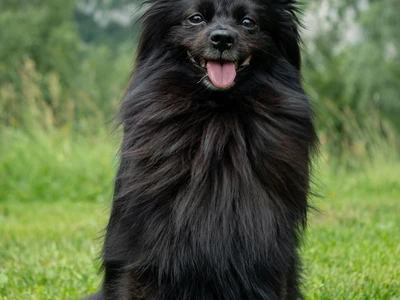
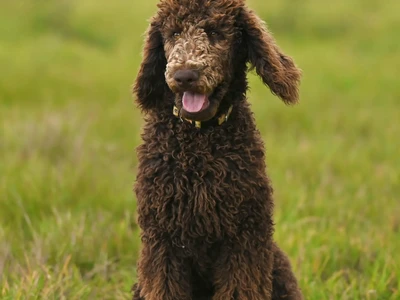
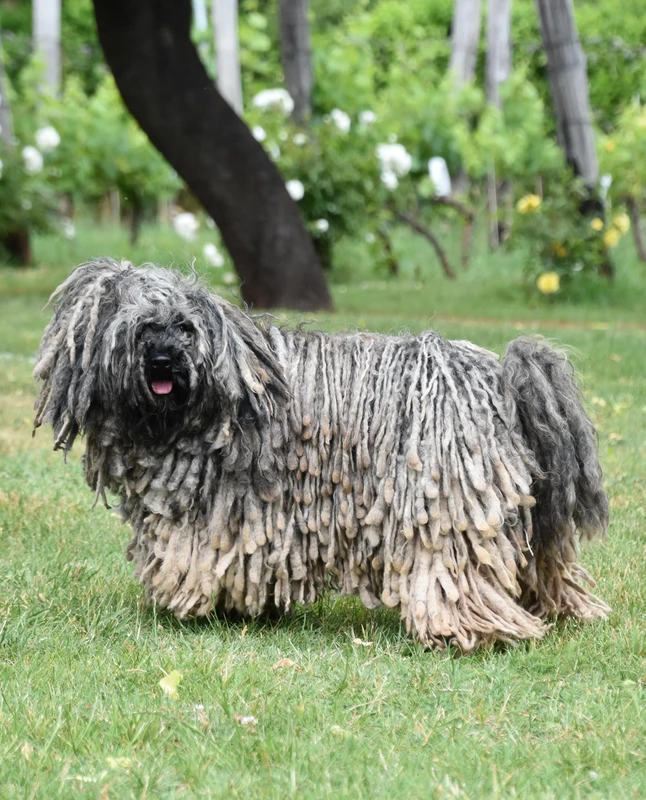
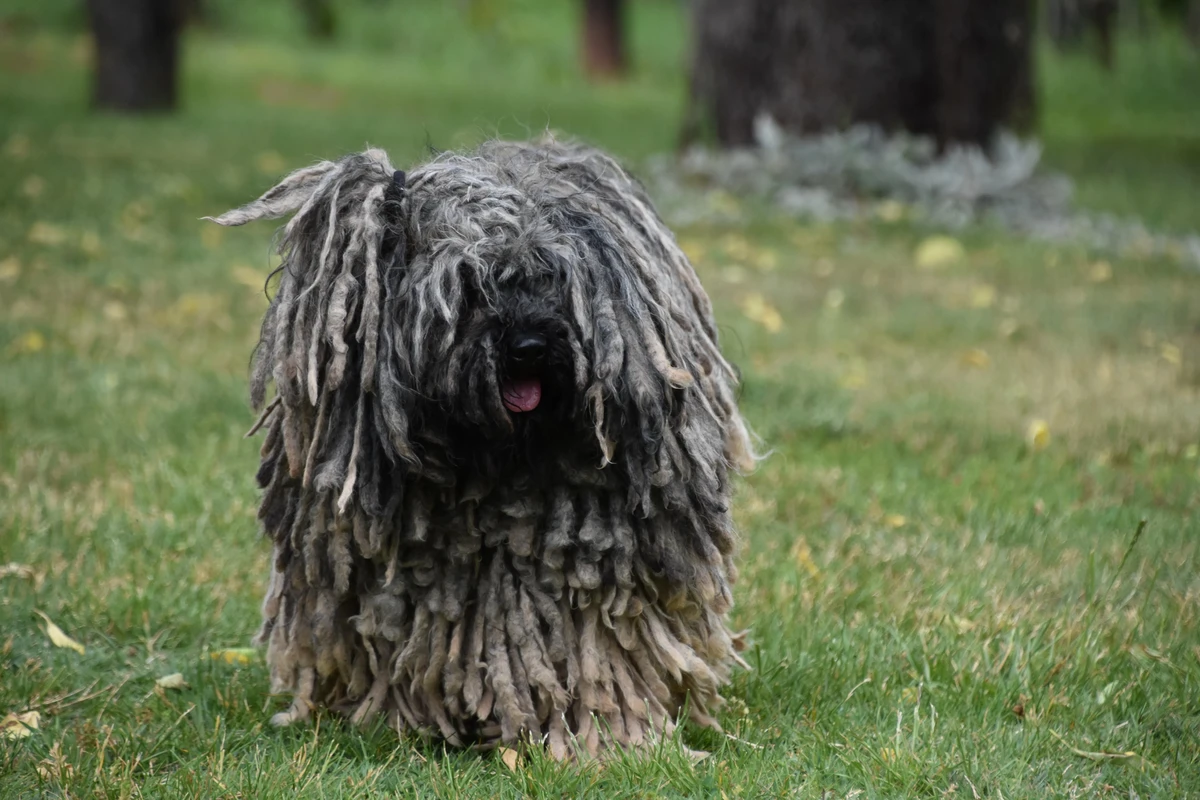
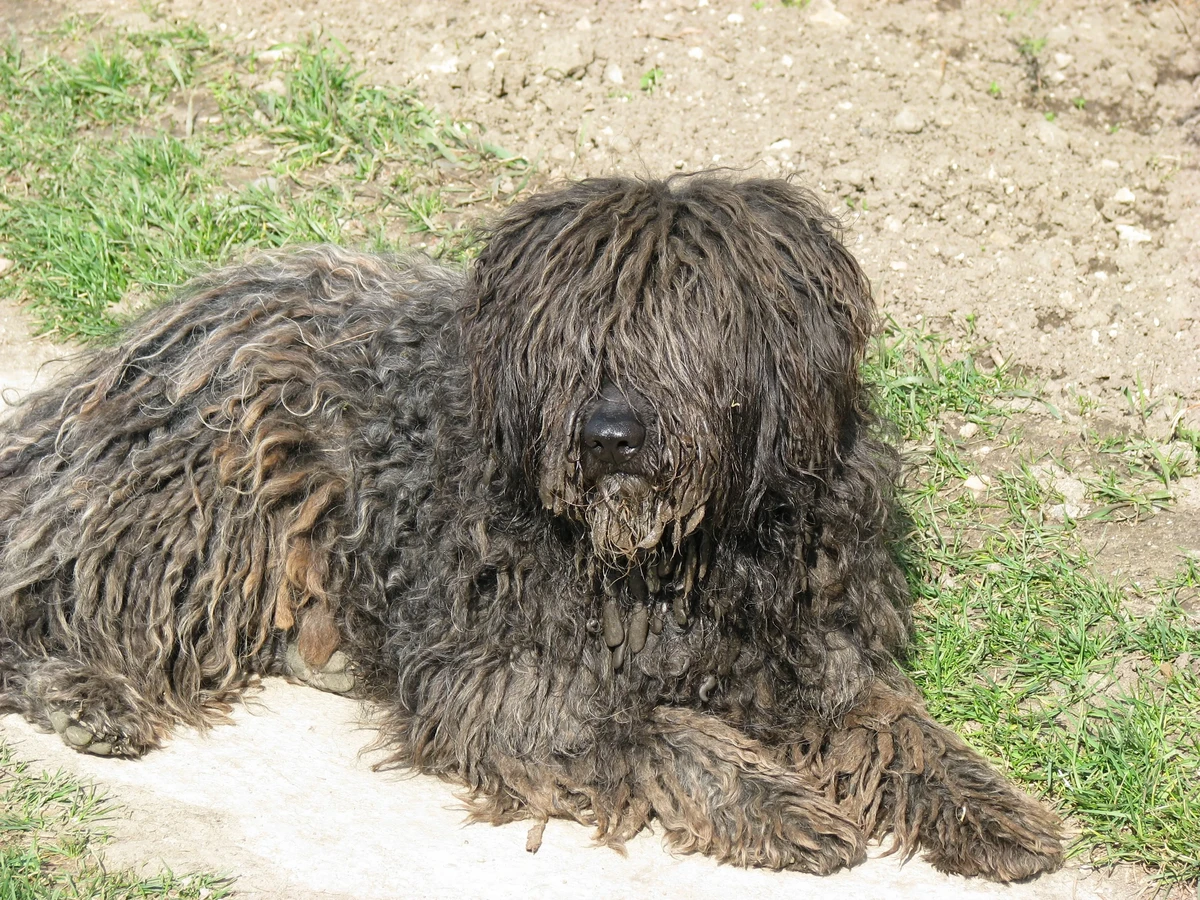
The Puli is a distinctive Hungarian herding breed best known for its unique corded coat that forms naturally into long, rope-like strands. Originally developed for herding sheep, it is agile, intelligent, and highly responsive, with a strong work ethic and natural alertness. The breed is lively, confident, and deeply devoted to its family, often forming a close bond with its owner. Despite its playful and sometimes humorous personality, the Puli remains a focused and capable working dog with strong instincts to herd and guard.
Care.
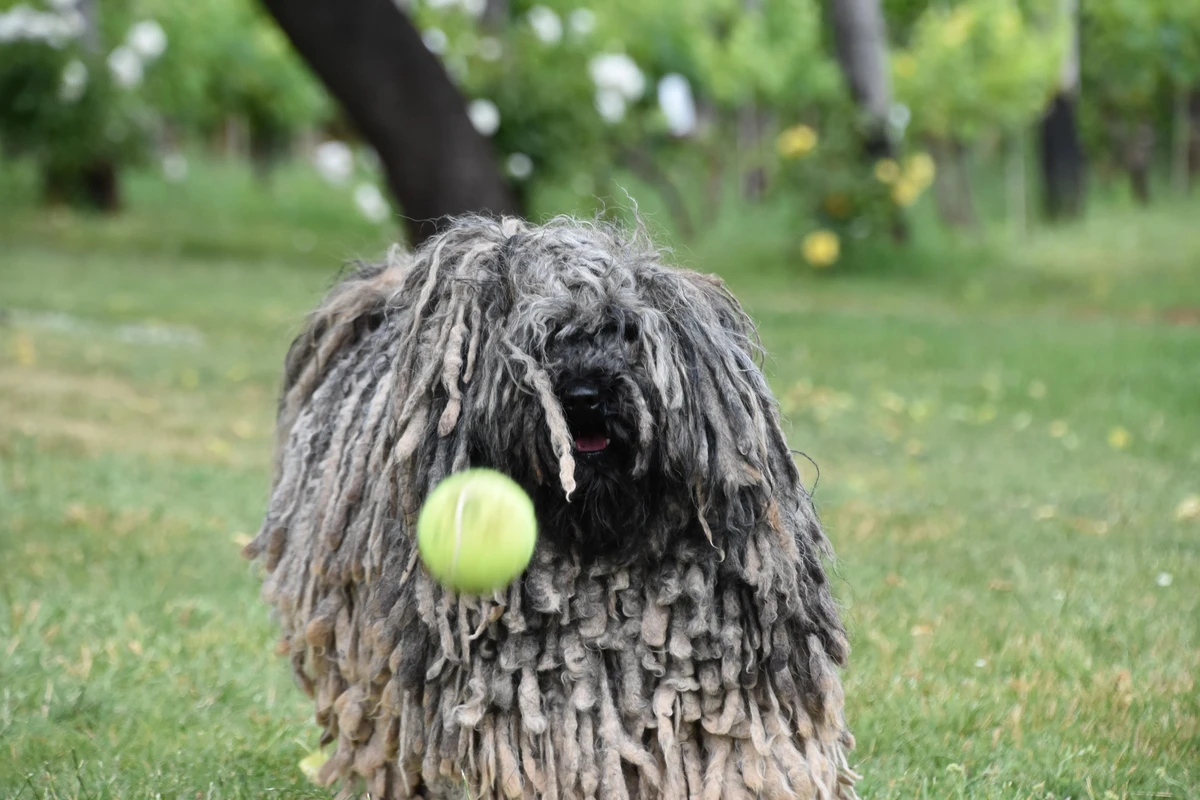
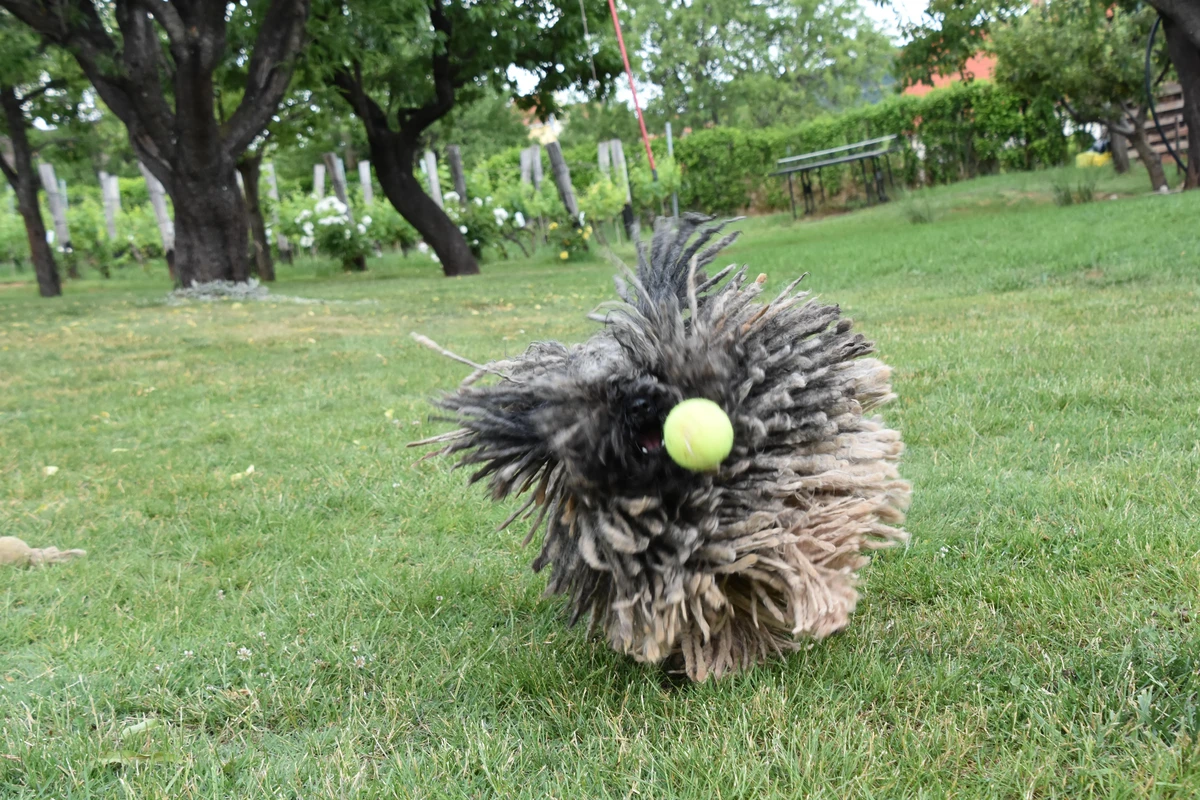
The Puli requires high levels of physical activity and mental stimulation. Daily walks, active play, and structured tasks are essential to keep it balanced and prevent boredom. Its coat is the most demanding aspect of care: cords must be separated and maintained regularly to avoid matting. Grooming does not involve traditional brushing once cords form, but proper maintenance is time-consuming, and drying after bathing can take many hours. Early training and consistent structure are important, as the breed is intelligent and can become stubborn without guidance.
Conditions.
The Puli adapts well to different living environments if its exercise needs are met, including suburban homes and even apartments with sufficient activity. It thrives in active households where it can stay engaged and involved. Due to its herding instincts, it may try to herd people or other animals, especially in family settings. The breed is naturally alert and makes a good watchdog, but early socialization is important to prevent excessive barking. It prefers not to be left alone for long periods and does best when included in daily routines.