Summary.
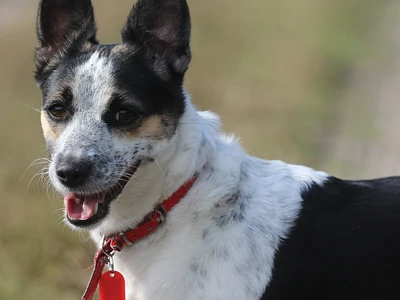
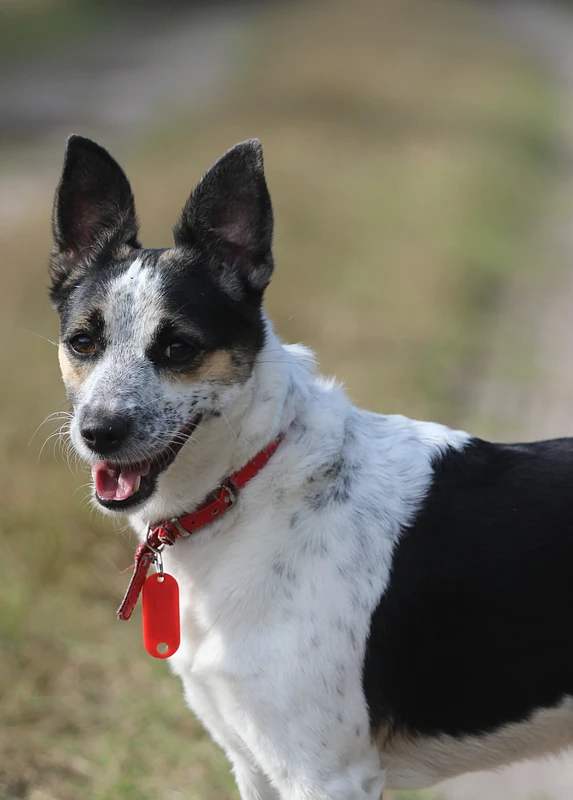
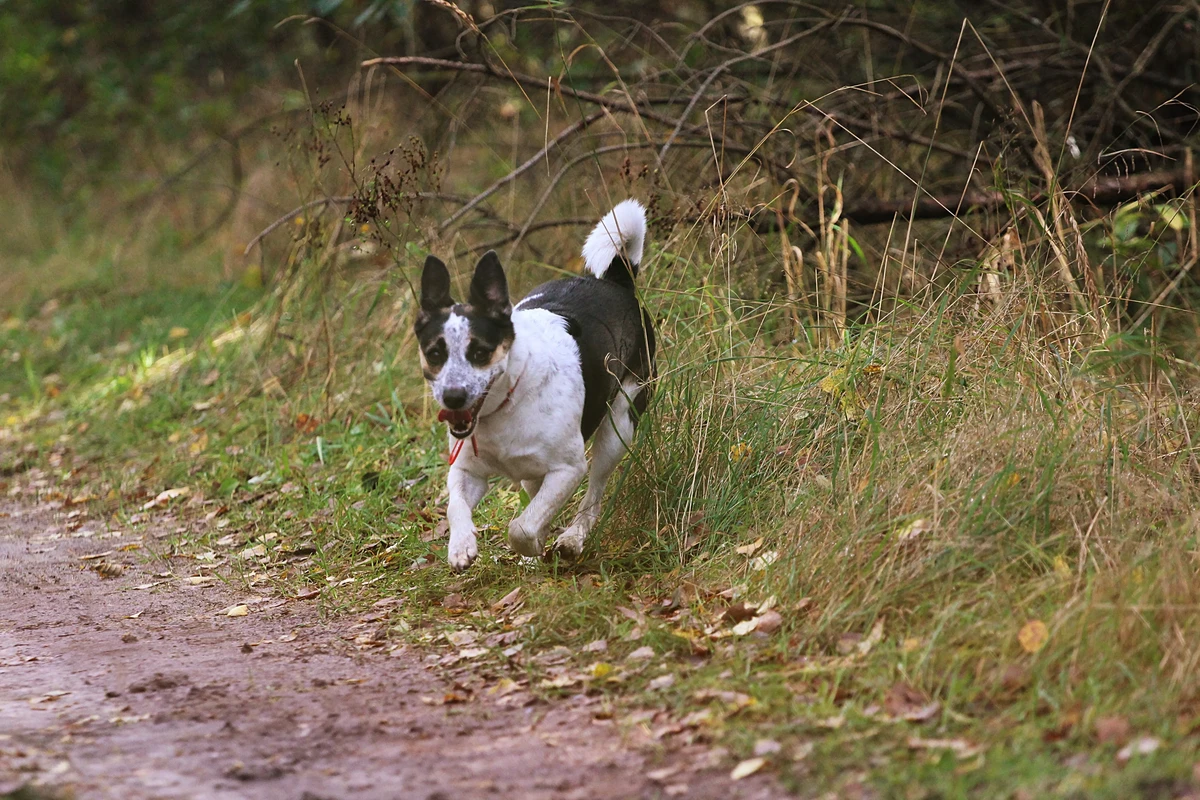
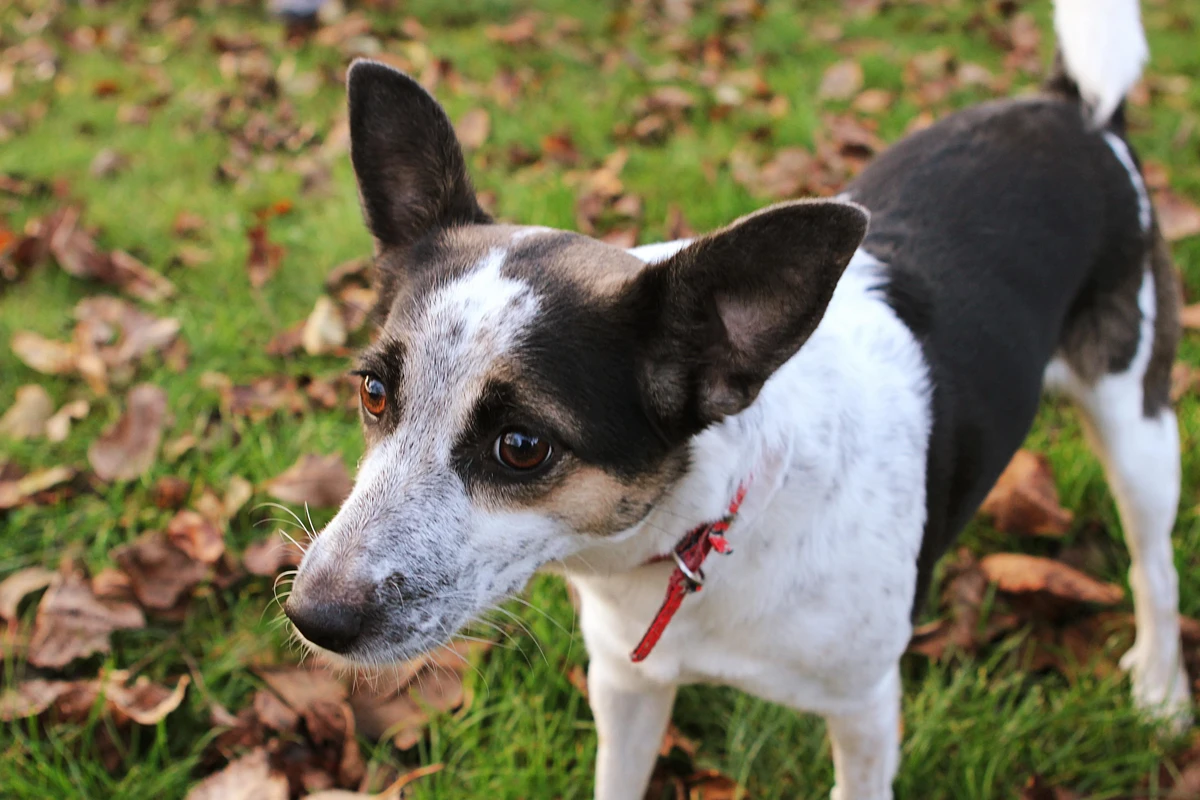
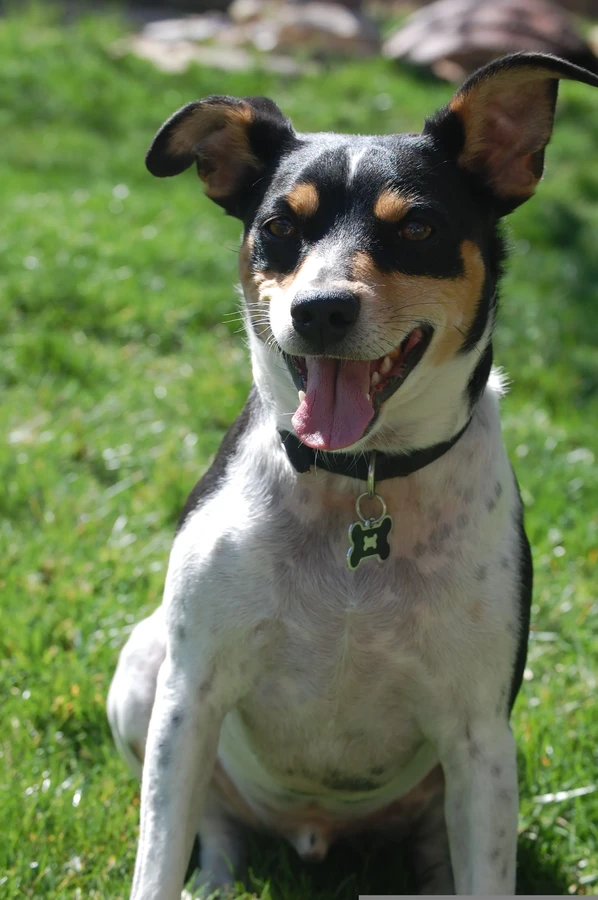
The Rat Terrier is a small but highly capable American working breed developed for farm and pest control tasks, especially hunting rodents. Despite its compact size, it is a tough, athletic, and energetic dog with strong instincts and a sharp mind. Rat Terriers are affectionate and people-oriented, forming close bonds with their families while maintaining a playful and curious personality. They are adaptable companions that can fit into active households, combining a working-dog background with a friendly and social temperament.
Care.
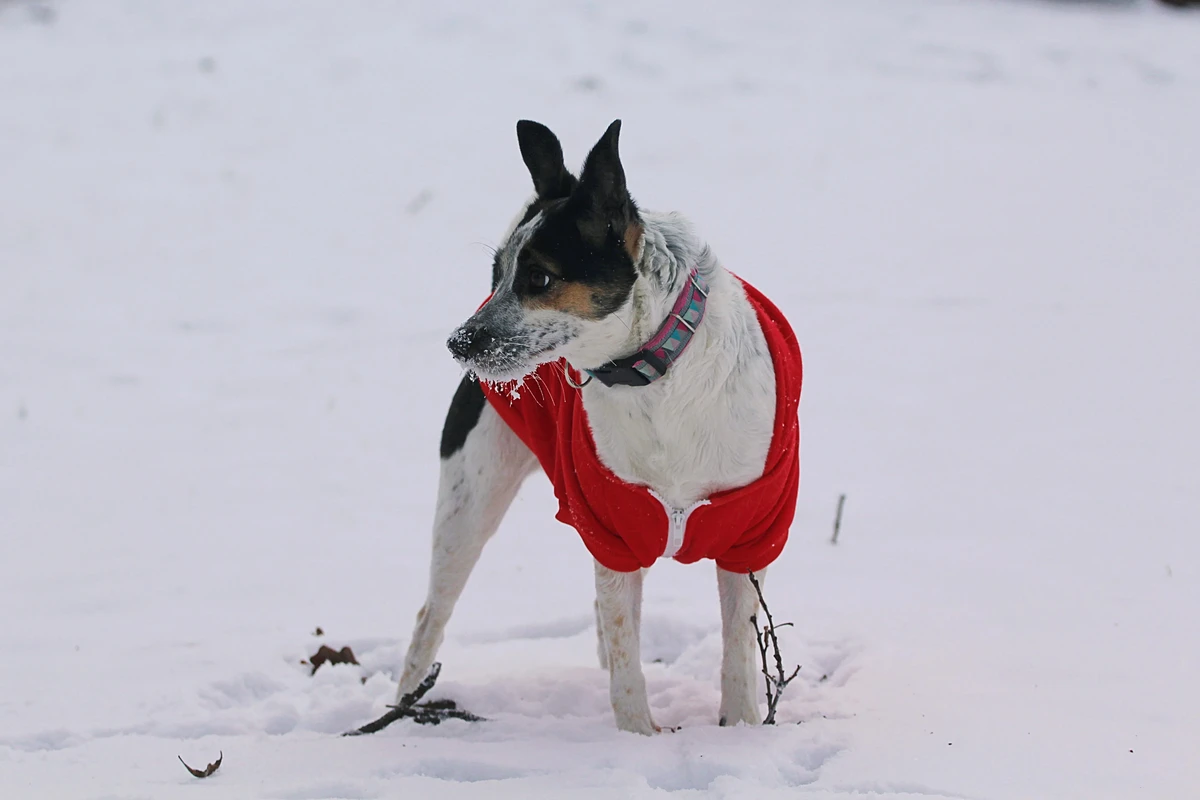
The Rat Terrier has a short, smooth coat that is very low-maintenance and requires only occasional brushing to remove loose hair. Grooming needs are minimal, but routine care such as nail trimming and dental hygiene is important. The breed has high energy levels and requires daily exercise, including walks, play, and mentally engaging activities. Without sufficient stimulation, they may become bored and develop unwanted behaviors. Training should be consistent, as the breed is intelligent but can show an independent or stubborn streak.
Conditions.
Rat Terriers adapt well to various living environments, including apartments, provided they receive enough physical and mental exercise. They are social dogs that prefer being involved in family activities and do not tolerate long periods of isolation well. Early socialization is important to manage their strong prey drive, especially around small animals. They generally get along well with families and older children. This breed thrives in active homes where it has structure, attention, and regular outlets for its energy.