Origins
The Treeing Walker Coonhound was developed in the United States from Virginia hounds brought west by settlers, especially the Walker dogs of Kentucky. Hunters wanted a fast, cold-nosed hound that could trail raccoon and bear and then tree them, baying in a clear, carrying voice. The breed was registered under its own name in 1945 and is one of the most popular coonhounds in America. It is still mainly a hunting dog, with a gentle temperament at home.
Lifestyle
Walks: Two hours or more a day, including real running. Keep it on a lead or in a fully fenced area, as it follows scent at speed.
Being alone: It dislikes long hours alone and may bay, dig or chew. Company and exercise help.
At home: Friendly and affectionate indoors once exercised, happy to lie on the sofa. It likes to lie near the family on a sturdy bed or sofa, and after a good run it is a gentle, sleepy housemate.
Children: Gentle and playful with children, though its energy needs supervision with small ones. Teach children to play calmly and supervise small ones, as a fast, happy hound may knock them over in its excitement.
Other animals: Typically friendly with dogs, as it comes from a pack. Cats and small pets may trigger the chase.
Play and activities: Scent tracking, running, hiking and swimming. Training takes patience and food rewards.
Daily routine: A long outing morning and evening and calm company between. A real run or scent search in the morning, a long rest and another outing in the evening make a good day.
Care essentials
Practical advice, not a medical opinion. For any health question, ask your vet.
Coat: Brush the short, smooth coat once a week. Bathe as needed with a mild shampoo.
Ears, paws and teeth: Clean the long ears once a week and check the claws. After the woods, check the ears and paws for burrs and ticks.
More about everyday health in the dog health & care guide.
Fun facts
The breed descends from English Foxhounds brought to America. The Treeing Walker Coonhound is considered one of the fastest hounds bred for raccoon hunting.
The word "treeing" refers to driving quarry up a tree. The dog chases the raccoon until it climbs a tree, then stays at its base and shows the hunter the spot with loud barking.
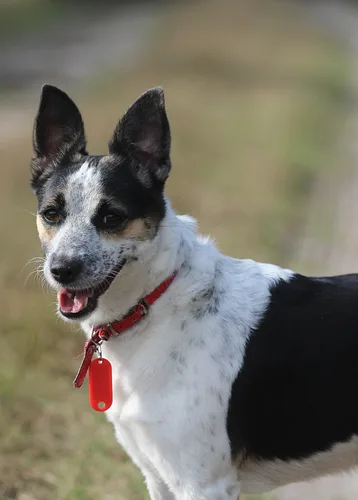
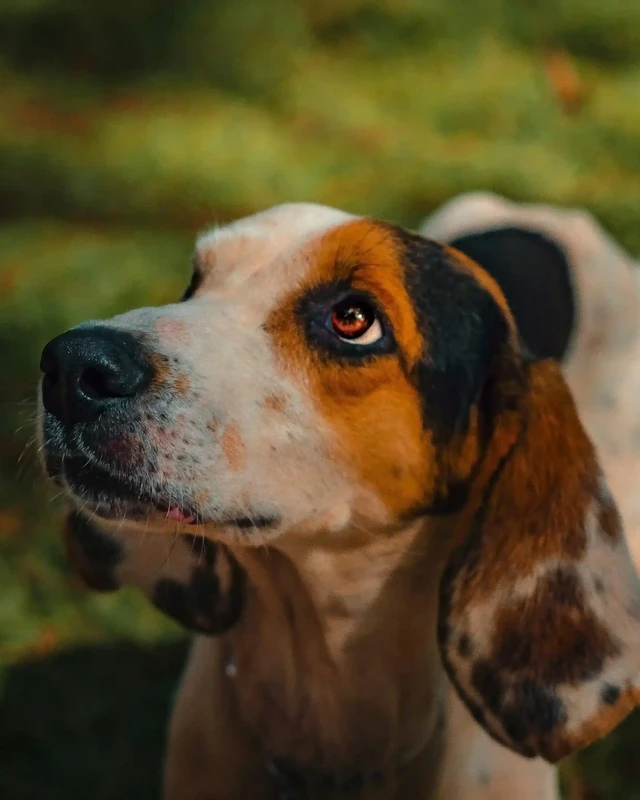
The breed's characteristic colouring is white with black and tan patches. Because of its colouring and head shape, the Treeing Walker Coonhound can look like a large Beagle from a distance.
FAQ
This breed is a great fit if you
- Are very active and love running or hiking
- Have a secure garden and a very high fence
- Enjoy scent games and tracking
- Want a friendly, social dog
It may not be a fit if you
- Live in a flat or near noise-sensitive neighbours
- Want a dog that comes back every time
- Have cats or small pets
- Are away from home most of the day
Is it suitable for allergy sufferers?
Noticeable shedding. No dog is completely hypoallergenic: allergens come from saliva, skin and dander, not only from hair. Reactions are individual, so spend time with the dog before you decide and talk to an allergist if you are unsure.
Which breeds are similar to Treeing Walker Coonhound?
Chosen from all groups: breeds of the same size, ordered by how closely their coat length, coat type and activity level match. The notes show how each breed differs from this one.
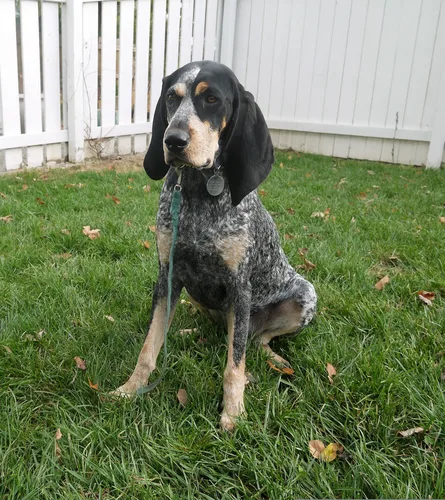
- Bluetick Coonhoundvery similar overall
- Dobermannheavier
- English Pointerquieter
- German Shorthaired Pointervery similar overall
- Hungarian Short-Haired Pointer (Vizsla)quieter
Compare Treeing Walker Coonhound with another breed
Which other breeds might suit me?
Visit the Breeds page: with the filters and the quiz there you can get to know the breeds better.